


Founded in 2016, Xinhao Fire has swiftly established itself as a prominent leader in the fire safety sector, known for its high-quality fire extinguishers and related equipment. Our extensive product line adheres to stringent quality standards, ensuring reliable fire protection. We are proud to hold the esteemed CE0036 certification, a testament to our commitment to excellence. Furthermore, our manufacturing processes comply with the rigorous German TUV ISO9001:2008 standards, highlighting our superior quality management practices.
Our range of products includes various fire extinguishers, such as dry powder (ABC), carbon dioxide (CO2), foam, and water options, designed to meet diverse fire suppression needs. What distinguishes us is our comprehensive selection of premium fire safety accessories and our relentless dedication to innovation. With a specialized design department and a state-of-the-art tool room, we provide flexible, customized solutions tailored to our clients' specific needs. At Xinhao Fire, we prioritize building collaborative partnerships with our clients, offering innovative, cost-effective, and high-quality fire safety solutions. Our commitment to excellence and customer satisfaction underpins our esteemed reputation in the industry.
why choose us
Expertise and Experience
Proven Track Record: With years of experience in the industry, we have a deep understanding of what works and what doesn't.
Skilled Professionals: Our team consists of highly trained and knowledgeable experts committed to delivering top-notch solutions.
Customer-Centric Approach
Tailored Solutions: We believe in customizing our services to meet your specific needs and goals.
Personalized Support: From the first consultation to post-delivery support, we are with you every step of the way.
Quality and Reliability
High Standards: We adhere to the highest quality standards in everything we do.
Dependable Services: You can count on us to deliver consistent, reliable results on time.
Value for Money
Competitive Pricing: We offer high-quality services at competitive rates, ensuring you get the best value for your investment.
Transparent Practices: No hidden fees or surprise charges-just honest, straightforward service.
Products
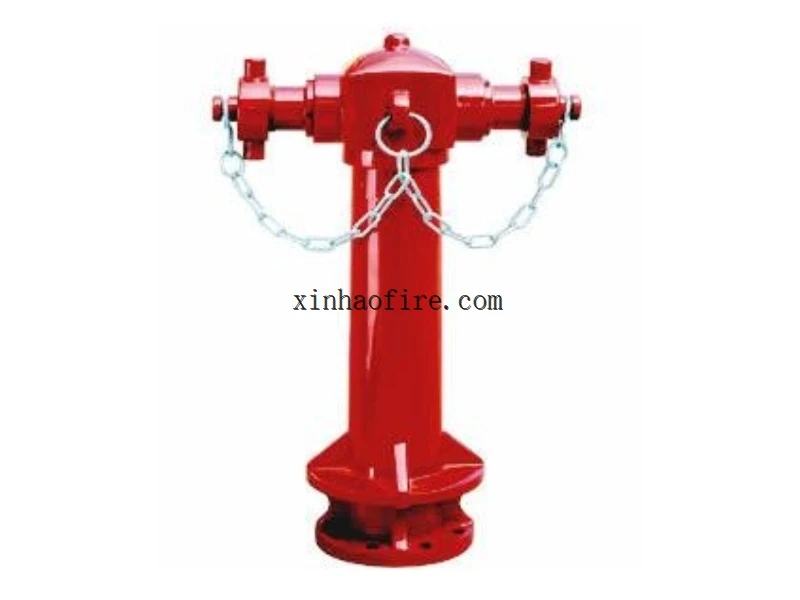
2 Way Pillar Fire Hydrant
Ensuring Safety and Protection In emergency situations, time is of the essence. And when it comes to fires, a reliable and efficient water source is crucial in putting out the flames. This is where the importance of fire hydrants comes in. A fire hydrant is a valve that supplies water to a fire...


A 2-way wet fire hydrant is a type of hydrant designed with two outlets, allowing for multiple hoses to be connected simultaneously. Unlike dry hydrants, wet hydrants are always filled with water, ensuring immediate access when needed. This design is particularly beneficial in urban areas and industrial sites where rapid response is critical. Regular maintenance and inspections are essential to ensure these hydrants function correctly, especially in regions where freezing temperatures are not a concern. Overall, a 2-way wet fire hydrant provides a reliable and efficient water source for firefighting efforts.
Advantage Of 2 Way Wet Fire Hydrant
Immediate Water Access
Since the hydrant is always filled with water, firefighters can access water immediately without the need to wait for the hydrant to fill up. This quick response is crucial in emergency situations.
Multiple Connections
The two outlets allow multiple hoses to be connected simultaneously, providing greater flexibility and capacity during firefighting operations. This is particularly useful in large-scale fires where multiple streams of water are needed.
Consistent Water Pressure
The constant water pressure within the hydrant ensures a steady and reliable flow of water, which is essential for effective firefighting.
Durability
Designed to withstand various environmental conditions, wet fire hydrants are built to be durable and long-lasting, ensuring they remain functional for many years.
Types Of 2 Way Wet Fire Hydrant

Standard 2-Way Wet Fire Hydrant
The most common type, featuring two outlets for connecting hoses.Simple design, always filled with water, suitable for urban and suburban areas.

Flanged 2-Way Wet Fire Hydrant
Designed with flanged connections for easy installation and maintenance.Bolted flange connections make it easy to replace or service the hydrant without extensive excavation.

Above-Ground 2-Way Wet Fire Hydrant
The entire hydrant is above ground, making it highly visible and easy to access.Standard design, often used in urban settings where quick access is essential.
Components Of 2 Way Wet Fire Hydrant
Hydrant Body
The main structure of the hydrant, which houses the internal components.Contains the water and provides the framework for other components.
01
Outlets
Two threaded outlets where fire hoses are connected.Provide points of connection for hoses to access water from the hydrant.
02
Valve
A mechanism inside the hydrant that controls the flow of water.Opens to allow water to flow out through the outlets and closes to stop the flow.
02
Stem/Operating Rod
A rod connected to the valve, which extends to the operating nut at the top of the hydrant.Transmits the motion from the operating nut to the valve, opening or closing it.
04
Operating Nut
A nut located at the top of the hydrant.
Turned with a wrench to open or close the valve via the operating rod.
05
Drain Valve
A valve that allows water to drain out of the hydrant after use.Prevents water from remaining in the barrel and potentially freezing or causing corrosion.
06
Base Flange
The bottom part of the hydrant that connects to the water supply pipe.Secures the hydrant to the water supply and provides structural support.
07
Seals and Gaskets
Rubber or synthetic rings and gaskets.Ensure watertight connections between different components, preventing leaks.
08
Cap
Covers for the outlets.Protect the nozzles from debris and unauthorized use when not in use.
09
Internal Coating
A protective lining inside the hydrant.Prevents corrosion and ensures the longevity of the hydrant.
10
Applications Of 2 Way Wet Fire Hydrant
Urban and Suburban Areas
Widely used in cities and towns.Provides quick and reliable access to water for firefighting efforts in densely populated areas where immediate response is crucial.
Industrial Sites
Common in industrial complexes, factories, and warehouses.Ensures large volumes of water are available to control fires in areas with high fire risk due to the presence of flammable materials and heavy machinery.
Commercial Properties
Installed around shopping centers, office buildings, hotels, and other commercial establishments.Offers a readily accessible water source to protect assets and ensure the safety of occupants and visitors.
Residential Neighborhoods
Found in residential areas, including single-family homes and apartment complexes.Provides essential fire protection to safeguard homes and communities.
Public Institutions
Used at schools, hospitals, government buildings, and other public institutions.Ensures these critical facilities are protected and can be quickly served by firefighters in case of an emergency.
Parks and Recreational Areas
Installed in public parks, playgrounds, and recreational facilities.Protects natural and recreational spaces, ensuring the safety of visitors and preserving public assets.
Transport Hubs
Used at airports, train stations, and bus terminals.Provides fire protection for large numbers of travelers and significant infrastructure.
Ports and Harbors
Found in maritime and shipping facilities.Ensures fire protection for docks, ships, and storage areas where flammable materials may be present.
Material Of 2 Way Wet Fire Hydrant
 Cast Iron
Hydrant Body (Barrel), Bonnet, Base Flange.Strong, durable, and able to withstand high pressures and impacts. Often coated with protective paints to prevent rust and corrosion.
Valve, Outlets (Nozzles), Stem/Operating Rod.Excellent corrosion resistance, durable, and suitable for components in direct contact with water.

Seals and Gaskets, Valve Seats.Provides watertight sealing, flexibility, and resistance to wear and tear, ensuring leak-free operation.

Some internal components, Caps.Lightweight, corrosion-resistant, and cost-effective. Used for non-structural components or where weight reduction is beneficial.

Internal and External Coating of Hydrant Body and Components.Provides an additional layer of protection against corrosion, chemical attack, and environmental wear, extending the life of the hydrant.
Specification
|
Code No. |
Outlet |
Inlet |
|
XH-FF-01-03 |
2*2.5'' Male Thread NST/NPT With Cap And Chain |
4'' Table E BS 10 Flange |
|
XH-FF-01-04 |
2.5'' BS336 Cntrol Vavle With Famale Instantaneous Coupling With Plastic Cap &Chain |
4'' Table E BS 10 Flange |
How Do 2 Way Wet Fire Hydrant Work
Pressurized Water Supply
The hydrant is connected to an underground pressurized water main. This means that water is always present within the hydrant, ready to be accessed at any time.
Valve Control
The valve inside the hydrant controls the flow of water from the main supply into the hydrant. In its normal, closed state, the valve prevents water from flowing out of the hydrant.
Water Flow
The flow of water is continuous and under pressure, providing a steady and reliable supply for firefighting.
The two outlets allow multiple hoses to be connected simultaneously, enabling multiple streams of water to be directed at the fire.
Controlling Water Flow
Firefighters can control the amount of water being released by partially opening or closing the valve, adjusting the operating nut as needed.
Importance Of Daily Maintenance Of 2 Way Wet Fire Hydrant

Ensuring Operational Readiness
1.Immediate Availability: Regular checks ensure the hydrant is always ready for use, providing immediate water access when needed.
2.Prevention of Malfunctions: Daily inspections can identify and address potential issues before they lead to hydrant failure during critical times.

Safety and Reliability
1.Leak Detection: Regular maintenance helps detect leaks early, preventing water wastage and potential damage to the hydrant or surrounding infrastructure.
2.Component Integrity: Ensuring all parts are intact and functional reduces the risk of malfunction during firefighting operations.

Preventing Corrosion and Damage
1.Internal and External Inspections: Regular checks prevent rust and corrosion, especially in harsh environmental conditions.
2.Protective Coatings: Maintenance includes checking and maintaining protective coatings to prevent corrosion and extend the hydrant's lifespan.
How To Use 2 Way Wet Fire Hydrant
Connecting the Hose
Remove Caps: Use a hydrant wrench to remove the caps from the hydrant outlets.
Inspect Outlets: Check the outlets for any debris or damage before connecting the hose.
Attach Hose: Connect the fire hose to the outlet by screwing it onto the hydrant's threaded nozzle. Ensure a secure and tight fit to prevent leaks.
Opening the Hydrant
Use a Hydrant Wrench: Place the hydrant wrench on the operating nut at the top of the hydrant.
Turn Slowly: Slowly turn the wrench counterclockwise to open the valve. Opening the valve slowly helps to avoid a sudden rush of water, which could damage equipment or cause injury.
Operating the Hydrant
Monitor Water Flow: Once the hydrant is open, monitor the water flow to ensure it is steady and at the required pressure.
Adjust as Needed: If necessary, you can adjust the water flow by partially closing or opening the valve using the hydrant wrench.
Shutting Down the Hydrant
Close the Valve: Once the firefighting operation is complete, slowly turn the hydrant wrench clockwise to close the valve. Closing slowly helps to prevent water hammer, which can damage the hydrant and the water supply system.
Remove Hose: Disconnect the hose from the hydrant once the valve is fully closed.
What Training Is Required For The Personnel Operating 2 Way Wet Fire Hydrant

Basic Firefighter Training
1.Firefighting Principles: Understanding the basics of fire behavior, fire suppression techniques, and the role of hydrants in firefighting operations.
2.Hydrant Identification: Recognizing different types of hydrants and their components.

Hydrant Operation Training
1.Component Familiarization: Learning about the parts of a 2-way wet fire hydrant, including the operating nut, stem, valve, outlets, and caps.
2.Proper Use of Tools: Training on how to use hydrant wrenches and other tools correctly and safely

Emergency Response Drills
1.Simulated Scenarios: Participating in drills that simulate real-life emergencies to practice quick and efficient hydrant operation.
2.Team Coordination: Training on how to work as part of a team to ensure smooth and coordinated use of the hydrant during firefighting operations.
How To Install 2 Way Wet Fire Hydrant
1.Determine Location: Choose an appropriate location for the hydrant, considering accessibility for firefighters and compliance with local regulations.
2.Excavation: Excavate the area where the hydrant will be installed. The hole should be deep enough to accommodate the hydrant and provide a stable base, usually extending below the frost line to prevent freezing.
1.Gravel Base: Place a layer of gravel or crushed stone at the bottom of the excavation to provide drainage and stability.
2.Flanged Connection: Attach a flanged pipe fitting to the water supply line. Use gaskets and bolts to ensure a secure and leak-free connection. Apply Teflon tape or pipe joint compound to threaded connections.
1.Lower the Hydrant: Carefully lower the hydrant into the excavation, aligning it with the flanged connection.
2.Bolt the Hydrant: Securely bolt the hydrant to the flanged fitting on the water supply line using bolts, nuts, and gaskets. Ensure the bolts are tightened evenly to prevent leaks.
1.Visual Inspection: Inspect the hydrant and all connections for proper installation and any visible issues.
2.Pressure Test: Turn on the water supply and perform a pressure test to check for leaks and ensure the hydrant is functioning correctly. Open the hydrant valve to verify water flow and pressure.
Our Factory
Founded in 2016, Xinhao Fire has swiftly established itself as a prominent leader in the fire safety sector, known for its high-quality fire extinguishers and related equipment. Our extensive product line adheres to stringent quality standards, ensuring reliable fire protection. We are proud to hold the esteemed CE0036 certification, a testament to our commitment to excellence. Furthermore, our manufacturing processes comply with the rigorous German TUV ISO9001:2008 standards, highlighting our superior quality management practices.
Our range of products includes various fire extinguishers, such as dry powder (ABC), carbon dioxide (CO2), foam, and water options, designed to meet diverse fire suppression needs.


Certificate

FAQ
Q1: What is a 2-way wet fire hydrant?
A1: A 2-way wet fire hydrant is a type of fire hydrant equipped with two outlets, which is constantly connected to a pressurized water supply system, ensuring that water is always available in case of emergencies.
Q2: What are the main components of a 2-way wet fire hydrant?
A2: The main components include the hydrant body (barrel), outlets (nozzles), valve, stem/operating rod, operating nut, bonnet, base flange, seals and gaskets, and an optional drain valve.
Q3: How does a 2-way wet fire hydrant work?
A3: A 2-way wet fire hydrant works by maintaining pressurized water within the hydrant body. When the valve is opened using the operating nut, water flows from the underground supply through the hydrant and out through the connected hoses.
Q4: What training is required for personnel operating a 2-way wet fire hydrant?
A4: Personnel need training in basic firefighter principles, hydrant operation, safety procedures, post-operation procedures, and regular maintenance. They should also participate in emergency response drills.
Q5: How do you install a 2-way wet fire hydrant?
A5: Installation involves site preparation, preparing the water supply line, attaching the hydrant base, securing the hydrant, stabilizing it with a thrust block, backfilling and compacting the excavation, and conducting a pressure test to ensure proper functionality.
Q6: What are the advantages of a 2-way wet fire hydrant?
A6: Advantages include immediate water availability, multiple connections for hoses, reliable performance, and easy maintenance.
Q7: What materials are typically used in 2-way wet fire hydrants?
A7: Common materials include cast iron or ductile iron for the body, bronze or brass for the valve and outlets, stainless steel for the stem, rubber or synthetic elastomers for seals and gaskets, and epoxy coatings for corrosion protection.
Q8: What applications are 2-way wet fire hydrants used for?
A8: They are used in urban areas, industrial sites, and any location requiring reliable access to water for firefighting purposes.
Q9: Why is daily maintenance of a 2-way wet fire hydrant important?
A9: Daily maintenance ensures operational readiness, safety, and reliability, prevents corrosion and damage, complies with regulations, ensures water quality, and is cost-efficient.
Q10: What are the types of 2-way wet fire hydrants?
A10: Types can vary based on factors like the specific design and materials used, but generally, they all serve the same primary function of providing a reliable water source for firefighting. They may differ in details like the size of the outlets, materials used, and specific features like the presence of a drain valve.
Hot Tags: 2 way wet fire hydrant, China, manufacturers, suppliers, factory, custom, price, for sale


