



Founded in 2016, Xinhao Fire has rapidly established itself as a leading manufacturer in the fire safety sector, specializing in fire extinguishers and associated equipment. Our solid reputation is built on a diverse range of fire safety products that adhere to rigorous quality standards. The esteemed CE0036 certification validates our commitment to excellence, while the German TUV ISO9001:2008 certification underscores the superior quality of our manufacturing processes. We offer a full range of extinguishers, including dry powder (ABC), carbon dioxide (CO2), foam, and water extinguishers, catering to various fire suppression needs.
What distinguishes us is our extensive selection of high-quality fire safety accessories and our dedication to innovation. With a specialized design department and a fully equipped tool room, we provide flexible and customized solutions tailored to our clients' specific needs. At Xinhao Fire, we prioritize close collaboration with our clients, ensuring the delivery of innovative, cost-effective, and high-quality fire safety solutions.
why choose us
Expertise and Experience
Our team consists of industry experts with years of experience in their respective fields.
Quality and Innovation
We adhere to the highest quality standards to ensure the best outcomes for our clients. We leverage the latest technologies and innovative approaches to solve complex problems.
Customer Focus
We prioritize our clients' needs and work closely with them to understand their unique requirements.
Our customer service team is available around the clock to provide timely and effective support.
Competitive Pricing
We offer competitive pricing without compromising on quality.
Our pricing model is clear and transparent, with no hidden costs.
Products Show


What Is Dry Powder Fire Extinguisher Hose
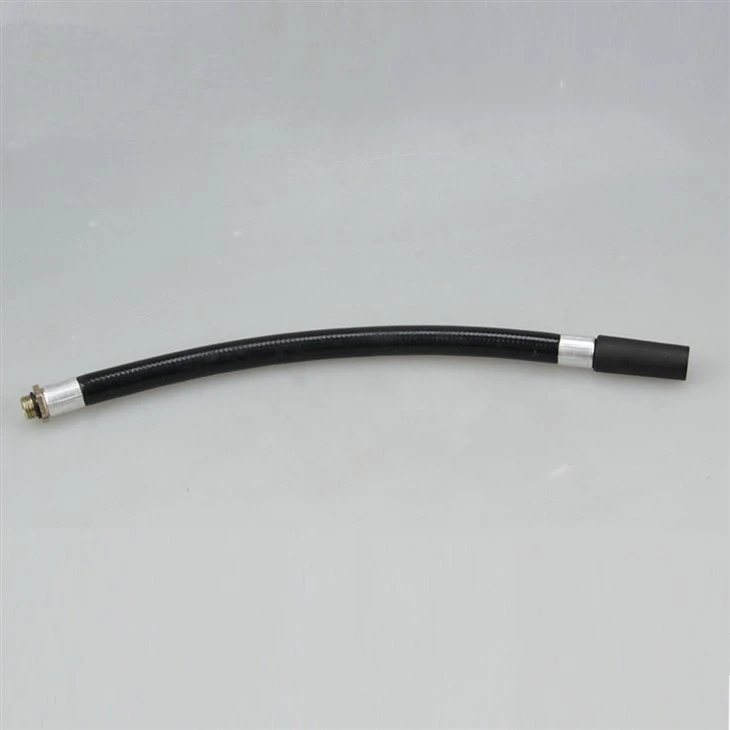
A dry powder fire extinguisher hose is a flexible, durable component designed to direct the extinguishing agent accurately toward a fire. Made from materials that can withstand high pressure, the hose typically includes a nozzle for controlled flow and couplings for secure attachment to the extinguisher. It allows users to aim the dry powder effectively by pulling the safety pin, aiming at the base of the fire, squeezing the handle, and sweeping the nozzle side to side. Suitable for Class A, B, and C fires, these hoses play a crucial role in effectively deploying the extinguishing agent.

Advantages Of Dry Powder Fire Extinguisher Hose
Precision
It allows for accurate targeting of the extinguishing agent, ensuring the dry powder is directed exactly where it is needed.
01
Flexibility
The hose can be maneuvered easily, making it effective for reaching fires in difficult or confined spaces.
02
Control
The nozzle at the end of the hose provides control over the flow and spread of the dry powder, improving the efficiency of fire suppression.
03
Safety
Using a hose allows the user to maintain a safe distance from the fire while extinguishing it, reducing the risk of injury.
04
Efficiency
The ability to direct the extinguishing agent accurately minimizes waste and ensures a more efficient use of the dry powder.
05
Types Of Dry Powder Fire Extinguisher Hose

General-Purpose Hose
Commonly used with standard dry powder fire extinguishers, these hoses are versatile and suitable for a wide range of environments.

Compact Hose
Designed for smaller fire extinguishers, these hoses are shorter and more manageable, making them ideal for use in confined spaces or for portable extinguishers.

Extended Reach Hose
These longer hoses provide additional reach, allowing users to tackle fires from a safer distance or to access hard-to-reach areas.

Reinforced Hose
Built with extra layers of durable materials, these hoses are designed to withstand rough handling and harsh conditions, making them suitable for industrial or outdoor use.

High-Flow Hose
Designed to deliver a higher volume of dry powder quickly, these hoses are ideal for large fires where rapid suppression is crucial.

Adjustable Nozzle Hose
Equipped with nozzles that can be adjusted to control the flow and spread of the dry powder, these hoses offer more precise application for different types of fires.
Dry powder fire extinguisher hoses are versatile tools designed for precise and effective fire suppression in various applications. In residential settings, these hoses are used to tackle kitchen fires involving cooking oils or appliances. They are also deployed in commercial buildings to address fires caused by electrical equipment or flammable materials like paper and upholstery. Industrial environments rely on these hoses to extinguish fires related to machinery, chemicals, and combustible liquids. In automotive settings, they are crucial for suppressing fires in vehicles, including those involving fuel leaks or electrical shorts. Aviation uses these hoses to combat fires in aircraft engines and electrical systems. Marine applications involve using these hoses to manage fires on ships and offshore platforms, often in environments where flammable gases and liquids are present. Agricultural operations use them to handle fires involving equipment, stored crops, or chemical substances.

Components Of Dry Powder Fire Extinguisher Hose
Hose Body
The main flexible tube through which the dry powder agent travels from the extinguisher to the nozzle.
Nozzle
Located at the end of the hose, the nozzle controls the direction and dispersal pattern of the dry powder. It allows the user to aim the extinguishing agent precisely at the base of the fire.
Couplings or Fittings
These are the connectors that join the hose to the dry powder fire extinguisher. Couplings ensure a secure attachment and allow for easy detachment for maintenance or replacement.
Handle or Grip
Depending on the design, the hose may feature a handle or grip for easier handling and control during fire suppression operations.
Material Of Dry Powder Fire Extinguisher Hose
Rubber
Natural or synthetic rubber is commonly used for the outer layer of the hose. Rubber provides flexibility and resilience, allowing the hose to bend and maneuver without kinking or cracking.
01
Polyethylene (PE)
This thermoplastic polymer is often used as an inner lining or as part of the hose construction due to its chemical resistance and ability to withstand the abrasive nature of dry powder agents.
02
Polyvinyl Chloride (PVC)
PVC is another common material used in dry powder fire extinguisher hoses. It offers good flexibility, durability, and resistance to chemicals, making it suitable for both the inner lining and outer layer of the hose.
03
Nylon
Nylon fibers may be incorporated into the hose construction to enhance strength and durability. Nylon is known for its toughness and resistance to abrasion, which can prolong the lifespan of the hose.
04
Wire Reinforcement
In some high-pressure hoses, steel wire or synthetic fibers (such as polyester or aramid) may be embedded between layers of rubber or PVC to provide added strength and stability under pressure.
05

How Do Dry Powder Fire Extinguisher Hose Work
Dry powder fire extinguisher hoses operate by utilizing a combination of stored pressure and a specialized dry chemical powder to suppress fires effectively. When activated, typically by pulling a safety pin or releasing a locking mechanism, the extinguisher releases the dry powder through a hose connected to a nozzle. The discharge is powered by compressed gas, usually nitrogen, which propels the powder out of the nozzle at high velocity. The dry powder works by forming a blanket over the fuel, interrupting the chemical reaction of the fire. This action helps to smother the flames and prevent oxygen from reaching the fire, thus extinguishing it. Users apply the powder in a sweeping motion across the base of the fire to ensure thorough coverage.
The Importance Of Daily Maintenance Of Dry Powder Fire Extinguisher Hose
Ensures Readiness
Regular checks ensure that the hose and extinguisher are always ready for immediate use in an emergency. This includes verifying that the hose is free from blockages and the nozzle is unobstructed.
Prevents Deterioration
Daily maintenance helps identify signs of wear and tear, such as cracks, splits, or leaks in the hose material. Early detection of these issues prevents hose failure during a fire emergency.
Extends Lifespan
Routine care and maintenance can extend the lifespan of both the hose and the extinguisher, ensuring they remain effective and reliable over time.
How To Use Dry Powder Fire Extinguisher Hose

Check the Hose
Before use, ensure the hose is securely attached to the fire extinguisher and is free from any visible damage or obstructions.

Pull the Pin and Aim
Once the extinguisher is activated, aim the hose at the base of the fire. The flexibility of the hose allows you to direct the flow accurately.

Squeeze the Handle
Squeeze the handle or trigger on the extinguisher to start the flow of dry powder through the hose.

Control the Nozzle
Use the nozzle at the end of the hose to control the direction and spread of the dry powder. Adjust the angle and distance as needed to cover the base of the fire effectively.

Sweep the Hose
Move the hose and nozzle in a sweeping motion from side to side. This ensures a comprehensive application of the dry powder, smothering the fire and preventing it from spreading.

Maintain Distance
The hose allows you to maintain a safe distance from the fire. Stay back far enough to avoid the heat and flames while still effectively directing the extinguishing agent.
What Training Is Required For The Personnel Operating Dry Powder Fire Extinguisher Hose
Familiarization with Equipment
Training should include a thorough overview of the fire extinguisher and its components, including the hose, nozzle, pressure gauge, and activation mechanism. Personnel should know how to inspect the extinguisher and hose for readiness.
Proper Handling and Operation
Personnel should be instructed on the correct way to hold and operate the hose. This includes pulling the safety pin, aiming the hose at the base of the fire, squeezing the handle, and sweeping the nozzle from side to side.
Practical Demonstrations
Hands-on practice is crucial. Training should include live demonstrations and opportunities for personnel to practice using the hose in controlled conditions. This builds confidence and ensures they can operate the equipment effectively under pressure.
Safety Protocols
Emphasis should be placed on safety procedures, such as maintaining a safe distance from the fire, ensuring an escape route, and knowing when to evacuate and call for professional firefighters.
How To Install Dry Powder Fire Extinguisher Hose
Before installation, inspect the hose for any signs of damage, wear, or obstructions. Ensure the fire extinguisher is in good condition and has sufficient pressure.
1.Locate the hose connection port on the extinguisher, usually near the nozzle or discharge valve.
2.Securely screw the hose coupling onto the connection port. Ensure it is tightly fitted to prevent any leaks.
Make sure the nozzle at the end of the hose is clear of any obstructions and is in good working condition. The nozzle should be able to direct the flow of dry powder accurately.
1.Some extinguishers come with a hose retainer or holder. Ensure the hose is properly seated in the holder or bracket to prevent it from dangling or getting damaged.
2.If the extinguisher does not have a built-in holder, consider using a clamp or zip tie to secure the hose to the body of the extinguisher without restricting its movement.
Ensure that the hose is properly aligned with the extinguisher and that there are no kinks or twists in the hose that could impede the flow of dry powder.
If safe to do so, conduct a brief test to ensure that the hose is properly attached and that the dry powder flows correctly when the extinguisher is activated. This should be done in a controlled environment and typically under the supervision of trained personnel.
After installation, perform a final inspection to ensure everything is securely attached and in proper working order. Check that the hose is easily accessible and that the extinguisher can be operated quickly in an emergency.
Our Factory
Founded in 2016, Xinhao Fire has rapidly established itself as a leading manufacturer in the fire safety sector, specializing in fire extinguishers and associated equipment. Our solid reputation is built on a diverse range of fire safety products that adhere to rigorous quality standards. The esteemed CE0036 certification validates our commitment to excellence, while the German TUV ISO9001:2008 certification underscores the superior quality of our manufacturing processes. We offer a full range of extinguishers, including dry powder (ABC), carbon dioxide (CO2), foam, and water extinguishers, catering to various fire suppression needs.


Certificate

FAQ
Q1: What is the primary purpose of a dry powder fire extinguisher hose?
A1: The primary purpose of a dry powder fire extinguisher hose is to deliver the dry powder extinguishing agent accurately to the base of the fire, allowing for effective suppression of the fire by smothering it and interrupting the chemical reaction that sustains it.
Q2: How do you properly attach a dry powder fire extinguisher hose?
A2: To attach a dry powder fire extinguisher hose, screw the hose coupling securely onto the connection port of the extinguisher. Ensure that the connection is tight to prevent any leaks and that the hose is free from kinks or twists.
Q3: Why is regular maintenance of the fire extinguisher hose important?
A3: Regular maintenance of the fire extinguisher hose is important to ensure that it is free from damage, obstructions, and wear. This helps to guarantee that the extinguisher will function correctly and efficiently in an emergency, maintaining its readiness and reliability.
Q4: What materials are typically used in the construction of a dry powder fire extinguisher hose?
A4: Dry powder fire extinguisher hoses are typically made from durable and flexible materials such as rubber, polyethylene (PE), polyvinyl chloride (PVC), and sometimes reinforced with nylon or wire for added strength and durability.
Q5: How should you aim the hose when using a dry powder fire extinguisher?
A5: When using a dry powder fire extinguisher, you should aim the hose at the base of the fire. This ensures that the dry powder covers the fuel source and effectively smothers the fire.
Q6: What should you do if the hose is damaged or shows signs of wear?
A6: If the hose is damaged or shows signs of wear, it should be replaced immediately. Using a damaged hose can lead to ineffective fire suppression and can pose safety risks during an emergency.
Q7: Can the hose be used on all types of fires?
A7: Dry powder fire extinguisher hoses are versatile and can be used on Class A (ordinary combustibles), Class B (flammable liquids), and Class C (electrical equipment) fires. However, they are not suitable for Class D (flammable metals) fires unless specified.
Q8: What is the importance of the nozzle on the hose?
A8: The nozzle on the hose is crucial because it directs the flow and spread of the dry powder. It allows for precise targeting of the extinguishing agent, ensuring that it is applied effectively to the base of the fire.
Q9: How often should you inspect the dry powder fire extinguisher hose?
A9: The dry powder fire extinguisher hose should be inspected regularly, ideally on a monthly basis, as part of the routine maintenance checks to ensure it is in good condition and ready for use.
Q10: What training is required for personnel using the dry powder fire extinguisher hose?
A10: Personnel should receive training that covers the basics of fire safety, understanding the components and operation of the extinguisher and hose, practical handling and use of the hose, safety protocols, maintenance procedures, and coordination with emergency response actions.
Hot Tags: dry powder fire extinguisher hose, China, manufacturers, suppliers, factory, custom, price, for sale


