Fire Extinguishers manufacturer
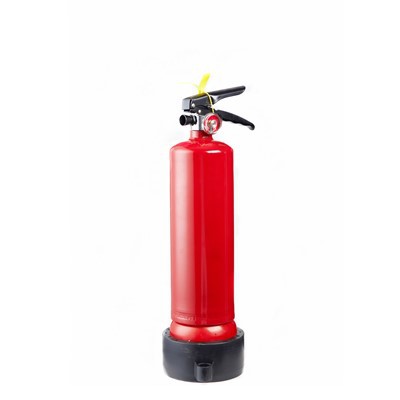
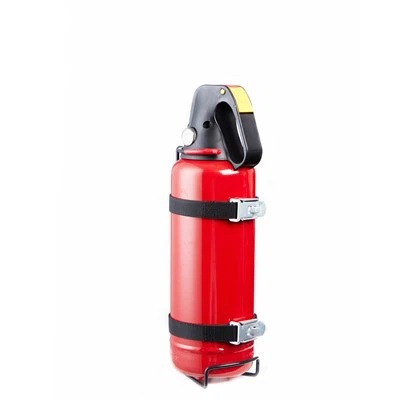
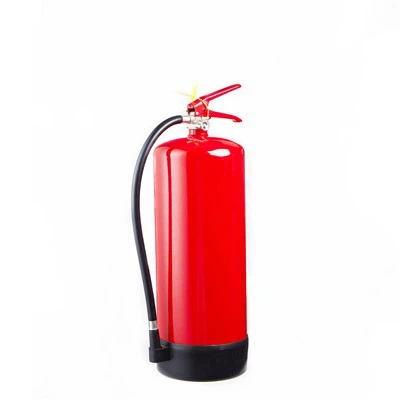
We specialize in manufacturing major types of fire extinguishers, including CO₂, foam, dry powder, and water-based models. Whether you require traditional extinguisher designs or customized solutions tailored to your specifications, we are capable of fulfilling all your needs.
EN3 Portable Fire Extinguishers Manufacturer


CE Portable Fire Extinguishers Manufacturer


Trolley Fire Extinguishers Manufacturer


Fire Extinguisher Manufacturers & Brands
-
Residential Fire Extinguisher
The residential fire extinguisher is a vital safety device designed for homes. It is compact, easy to use, and effective against small fires, providing homeowners with a valuable tool to combat...
-
CE Certified Fire Extinguisher
【Direct Supply from the Source Factory】
High-purity ABC dry powder (40% content)
Full specification: 1 - 9 kg
Support OEM branding/customization
🚒 The preferred... -
4kg DCP Fire Extinguisher
Industrial-grade fire extinguishing equipment
ABC dry powder content: 10% - 90% customizable as per demand
ST12/DC01 cylinders available for selection
Support OEM branding -
1kg ABC Dry Chemical Fire Extinguisher
The powder content can be selected from 10% to 90%
Supports OEM branding
Compact and portable, suitable for both vehicles and home use -
1kg Dry Chemical Fire Extinguisher
[Direct supply from factory / Support for mixed batches] 1kg dry powder fire extinguisher. Essential for household vehicles and commercial premises. High fire suppression level. Powder content can...
-
American Dry Powder Fire Extinguisher
When a fire breaks out, every second counts. What we bring is not just a fire extinguisher, but also the safety concepts and reliable guarantees derived from American standards. Specifically...
-
Mexico Type Dry Powder Fire Extinguisher
Industrial guardian, customize your safety defense line. Dry powder fire extinguishers, specially designed for industrial, commercial, automotive and household scenarios, are the unanimous choice...
-
BC Fire Extinguisher Cylinder
Carbon dioxide fire extinguisher pure German craftsmanship precisely ends electrical fire. A "traceless" fire guard specially designed for precision computer rooms, laboratories and power facilities.
-
Stainless Steel Fire Exxtiguisher Cylinder
The ultimate choice for safeguarding safety. Are you still troubled by the corrosion, aging and short lifespan of fire extinguisher cylinders? Are you looking for a fire protection product that...
5 types of fire extinguishers: A guide to using the right class
1、What are the types of fire?
In international standards, fire classification is usually divided according to the type and characteristics of the burning material, and fires are divided into the following 6 categories:
Class A Fire
Burnable material: solid material fire (usually organic combustible material, which may produce embers after burning).
Examples: wood, paper, cloth, plastic, rubber, etc.
Fire extinguishing tips: water-based fire extinguishers, foam fire extinguishers, etc. can be used.
Class B Fire
Burnable material: liquid or meltable solid fire.
Examples: gasoline, diesel, alcohol, kerosene, asphalt, paraffin, etc.
Fire extinguishing tips: foam fire extinguishers, dry powder fire extinguishers or carbon dioxide fire extinguishers are required to avoid using water to cause flowing fire.
Class C Fire
Burnable material: gas fire.
Examples: natural gas, liquefied gas, hydrogen, methane, propane, etc.
Fire extinguishing tips: Cut off the gas source first, then use a dry powder fire extinguisher or a carbon dioxide fire extinguisher to put out the remaining fire.
Class D Fire
Combustion materials: Metal fire (usually active metals).
Examples: Potassium, sodium, magnesium, titanium, lithium, aluminum-magnesium alloys, etc.
Fire extinguishing tips: Special metal fire extinguishing agents (such as dry sand, graphite powder, sodium chloride powder) are required, and water or ordinary fire extinguishers are
prohibited.
Class E Fire
Combustion materials: Electrical fire (combustion of objects when they are electrified).
Examples: Fires in electrical equipment, wires, transformers, generators, etc. when the power is not turned off.
Fire extinguishing tips: Non-conductive fire extinguishing agents (such as dry powder, carbon dioxide) must be used, and the power must be turned off before extinguishing the fire.
Class F Fire
Combustion materials: Cooking materials fire in cooking utensils (mainly animal and vegetable fats and oils).
Examples: Burning of kitchen oil pans, fried foods, cooking oil, etc.
Fire extinguishing tips: Use pot lids to suffocate fire or fire blankets, and do not use water (may cause oil fire to splash).
Additional notes
Only some countries may have slightly different descriptions of "Class E" (for example, some countries call "electrical fire" "Class E (Electrical Fire)").
Fire extinguishing core principles: Different types of fires need to match corresponding fire extinguishing agents. Incorrect use may cause the fire to expand or become dangerous (such as using water to extinguish Class B and Class D fires).
Understanding fire classification is the basis for choosing the right fire extinguishing method, especially in industrial, home, public places and other scenarios.
2、Fire extinguisher types and uses
| Fire Extinguisher Type | Suitable Fire Classes | Common Uses |
|---|---|---|
| Water | A | Wood, paper, textiles |
| Foam | A, B | Solids and flammable liquids |
| ABC Dry Chemical | A, B, C | Multi-purpose (homes, offices) |
| BC Dry Chemical | B, C | Gas and liquid fires (industrial) |
| CO₂ | B, E | Electrical equipment, flammable liquids |
| Wet Chemical | F | Kitchen grease fires |
| Metal (D Class) | D | Combustible metals (industrial) |
| Clean Agent | B, E | Sensitive electronics/environments |
Water Fire Extinguishers
Type: Water (APW, Air-Pressurized Water)
Fire Class: (Class A) – Solid combustibles (wood, paper, textiles).
How it works: Extinguishes fire by cooling the burning material and removing heat.
Uses: Ideal for small fires in homes, offices, or classrooms involving organic solids.
Do not use on: B, C, D, or E class fires (risk of spreading liquid fires or electrocution).
Foam Fire Extinguishers
Type: Foam (AFFF, AR-AFFF, or Protein Foam)
Fire Class: (Class A) and (Class B) – Solids and liquids.
How it works: Creates a foam blanket to smother fires, blocking oxygen and cooling the fuel.
Uses:
Class A: Fires in wood, paper, etc.
Class B: Flammable liquids like gasoline, oil, or solvents (works on non-polar liquids; may not work on polar solvents like alcohol).
Do not use on: C, D, or E class fires.
Dry Chemical Fire Extinguishers
Type:
ABC Dry Chemical: Ammonium phosphate-based (multi-purpose).
BC Dry Chemical: Sodium bicarbonate or potassium bicarbonate (for B and C fires).
Fire Class:
ABC Type: (Solids, liquids, gases).
BC Type: (Liquids, gases).
How it works: Interrupts the chemical reaction of fire by coating fuel surfaces.
Uses:
ABC: Versatile for kitchens, workshops, or industrial settings.
BC: Suitable for fuel storage areas, laboratories, or gas-powered equipment.
Do not use on: D class fires (may react with metals) or E class fires (ABC type is non-conductive, but better to use CO₂ for electrical fires)
Carbon Dioxide (CO₂) Fire Extinguishers
Type: Carbon Dioxide
Fire Class: Class B and Class E – Liquids and electrical fires.
How it works: Extinguishes fire by displacing oxygen and cooling slightly.
Uses:
Class B: Flammable liquids (e.g., gasoline, grease).
Class E: Electrical equipment (computers, servers, appliances) without leaving residue.
Do not use on: A or D class fires (ineffective on solids; may spread metal fires).
Wet Chemical Fire Extinguishers
Type: Wet Chemical (potassium acetate, carbonate, or citrate)
Fire Class: Class F – Cooking oils, fats, and greases (kitchen fires).
How it works: Reacts with hot oil to form a soapy crust (saponification), smothering the fire and cooling it.
Uses: Exclusive for kitchen appliances like fryers, grills, or ovens.
Do not use on: A, B, C, D, or E class fires.
Metal (D Class) Fire Extinguishers
Type: Dry Powder (e.g., sodium chloride, copper powder, or graphite)
Fire Class: Class D – Combustible metals (e.g., sodium, magnesium, lithium).
How it works: Smothers the fire and absorbs heat, preventing reaction with air.
Uses: Industrial settings, metalworking shops, or laboratories handling reactive metals.
Do not use on: Any other fire class (risk of reaction or inefficiency).
Clean Agent Fire Extinguishers
Type: Halogenated Agents (e.g., HFC-227ea, FM-200) or Inert Gases (e.g., nitrogen, argon)
Fire Class: Class B and Class E – Liquids and electrical fires.
How it works: Suppresses fire by interrupting chemical reactions or displacing oxygen.
Uses: Sensitive environments like data centers, museums, or laboratories (leaves no residue).
Do not use on: A or D class fires.
Key Tips for Using Fire Extinguishers
Remember the PASS acronym:
Pull the pin.
Aim at the base of the fire.
Squeeze the handle.
Sweep from side to side.
Always ensure the fire is small and contained, and evacuate if the fire grows or spreads.
Regularly inspect extinguishers for pressure and expiration dates.
We're well-known as one of the leading fire extinguisher manufacturers and suppliers in China for our quality products and good service. Please feel free to buy custom made fire extinguisher at competitive price from our factory.
Stainless Steel Fire Extinguisher, Small Fire Extinguisher For Home, Mini Stainless Steel Fire Extinguisher