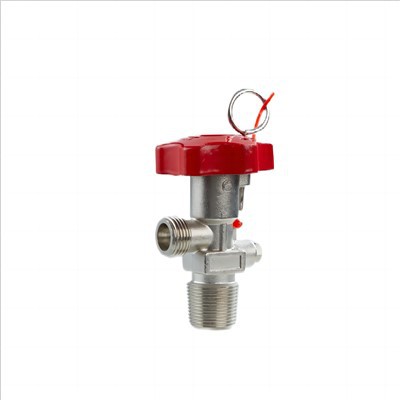
Founded in 2016, Xinhao Fire has quickly risen to prominence as a top manufacturer specializing in fire extinguishers and firefighting equipment. We are distinguished by our comprehensive lineup of fire safety solutions that consistently meet rigorous quality standards. Our products are proudly certified with CE0036, ensuring exceptional performance, and further validated by German TUV ISO9001:2008 certification, which underscores the excellence of our manufacturing processes.
Our product range includes a diverse selection of extinguishers such as dry powder (ABC), carbon dioxide (CO2), foam, and water types, catering to a wide array of fire suppression needs. What truly differentiates us is our extensive offering of premium fire safety accessories and our unwavering commitment to innovation. Through our dedicated design department and advanced tool room, we continuously develop adaptable and inventive solutions tailored precisely to our clients' specifications.
At Xinhao Fire, we prioritize close collaboration with our clients to deliver innovative, cost-effective, and high-quality fire safety solutions. Our reputation is founded on reliability, excellence, and a steadfast dedication to meeting the evolving needs of the fire safety industry.
why choose us
Quality
Consistent high-quality products or services can attract customers seeking reliability and excellence.
Expertise
Demonstrated knowledge and experience in the field can instill confidence and trust in potential customers.
Customer Service
Excellent customer support and responsiveness can be a decisive factor, especially in service-oriented industries.
Value for Money
Providing competitive pricing without compromising on quality can attract price-sensitive consumers.
Products

Marine CO2 Fire Extinguishing System Valve
The Marine CO2 Fire Extinguishing System High Pressure Cylinder Valve is a valve designed for use in marine CO2 fire extinguishing systems.

CO2 Fire Search Detection Valve
Engineered to provide robust protection for electrical enclosures and circuitry, the pre-designed Electrical Cabinet Fire Suppression System offers a proactive approach to mitigating electrical fire risks.

Fire Trace Valve For CO2 Fire Suppression System
Engineered specifically for safeguarding electrical enclosures and circuitry, the pre-designed Electrical Cabinet Fire Suppression System effectively mitigates the threat of electrical fires, thereby averting potential catastrophic damage to business infrastructure and assets.

CO2 Automatic Fire System Head Valve
Crafted with a focus on protecting electrical enclosures and circuitry, the pre-engineered Electrical Cabinet Fire Suppression System is designed to efficiently address the risks posed by electrical fires.
The fire extinguisher system valve plays a critical role in fire safety infrastructure. Positioned strategically within fire suppression systems, this valve serves as a pivotal control point for regulating the flow of extinguishing agents such as water, foam, or chemicals. Its primary function is to swiftly activate or deactivate the dispersal of these agents upon detection of fire or manual intervention. By efficiently managing the distribution of fire suppressants, the valve helps mitigate the spread of flames and minimize potential damage to property and lives. Consequently, its reliable operation is essential in safeguarding environments against the devastating impact of fires.

Advantages Of The Fire Extinguisher System Vavles
Control and Regulation
It provides precise control over the flow and distribution of fire suppressants, allowing for targeted deployment in specific areas affected by fire.
Rapid Response
The valve enables swift activation of extinguishing agents upon detection of fire, helping to contain and suppress flames promptly before they escalate.
Reliability
Engineered for durability and performance, the valve operates reliably under critical conditions, ensuring readiness in emergency situations.
Safety
By effectively managing fire suppression efforts, the valve contributes to minimizing risks to occupants, property, and assets within the protected area.
Integration
It can be integrated with automated fire detection and alarm systems, facilitating seamless coordination for comprehensive fire protection strategies.
Compliance
Meeting regulatory standards and certifications ensures that installations featuring these valves adhere to safety guidelines, enhancing overall compliance with fire codes.
Types Of The Fire Extinguisher System Vavles

Marine CO2 Fire Extinguishing System Valve
The Marine CO2 Fire Extinguishing System High Pressure Cylinder Valve is a valve designed for use in marine CO2 fire extinguishing systems. It is intended to control and release high-pressure CO2 for fire suppression or fire control purposes. This valve features reliable sealing performance and a high-pressure capacity.

CO2 Fire Search Detection Valve
Engineered to provide robust protection for electrical enclosures and circuitry, the pre-designed Electrical Cabinet Fire Suppression System offers a proactive approach to mitigating electrical fire risks. Specifically tailored for environments susceptible to enclosed fire hazards, this system effectively reduces the threat of catastrophic damage to business assets and infrastructure.

Fire Trace Valve For CO2 Fire Suppression System
Engineered specifically for safeguarding electrical enclosures and circuitry, the pre-designed Electrical Cabinet Fire Suppression System effectively mitigates the threat of electrical fires, thereby averting potential catastrophic damage to business infrastructure and assets. Tailored for use in environments prone to enclosed fire hazards.

CO2 Automatic Fire System Head Valve
Crafted with a focus on protecting electrical enclosures and circuitry, the pre-engineered Electrical Cabinet Fire Suppression System is designed to efficiently address the risks posed by electrical fires. By targeting enclosed fire hazards, this system minimizes the potential for extensive damage to business infrastructure and assets.
Application Of The Fire Extinguisher System Vavles

Commercial Buildings
Installed in office complexes, shopping malls, hotels, and other commercial properties to safeguard occupants and assets against fire hazards.
Industrial Facilities
Used in manufacturing plants, warehouses, refineries, and processing facilities where flammable materials are present, ensuring swift and targeted fire suppression.
Residential Buildings
Integrated into high-rise apartments, condominiums, and residential complexes to provide effective fire protection for residents.
Transportation
Found in aircraft, ships, trains, and vehicles to mitigate fire risks and ensure safety during transportation of passengers and cargo.
Healthcare Facilities
Utilized in hospitals, clinics, and nursing homes to protect patients, staff, and critical medical equipment from fire emergencies.
Data Centers
Installed to safeguard servers, IT infrastructure, and sensitive data from fire damage, minimizing downtime and operational disruptions.
Historical Sites and Museums
Used to safeguard valuable artifacts, cultural heritage, and historical buildings against fire risks.
Power Generation and Utilities
Employed in power plants, substations, and utility infrastructure to ensure continuous operation and minimize fire-related disruptions.
Components Of The Fire Extinguisher System Vavles
Valve Body
This is the main housing of the valve that contains all internal components and provides the structural support for the valve assembly.
Actuator
The actuator is the mechanism responsible for opening and closing the valve. It can be manual (hand-operated), electrically operated (solenoid or motor-driven), or pneumatically operated (using compressed air or gas).
Seat and Disc Assembly
This is the part of the valve where the disc (or ball) sits when the valve is closed. It ensures a tight seal to prevent leakage of extinguishing agents when the valve is in the closed position.
Valve Stem
The valve stem connects the actuator to the disc or ball inside the valve body. It transmits the motion from the actuator to open or close the valve.
Packing Gland
The packing gland houses the packing material (usually a soft material like graphite or Teflon) around the valve stem to prevent leakage around the stem.
Bonnet
The bonnet is the top portion of the valve body that houses the actuator and provides a connection point for the stem and packing gland.
Inlet and Outlet Ports
These are the openings in the valve body where the pipes carrying the extinguishing agents are connected. The inlet port allows the agent to enter the valve, while the outlet port allows it to exit.
Pressure Relief Mechanism
In some valves, especially those used in high-pressure systems, a pressure relief mechanism is included to prevent over-pressurization of the system.

Fire extinguisher system valves are crucial components in fire suppression infrastructure, designed to control the flow and distribution of extinguishing agents during emergencies. These valves are typically constructed from materials such as stainless steel, brass, bronze, ductile iron, carbon steel, plastics like PVC or CPVC, and sometimes aluminum. Each material is selected based on its specific properties, including corrosion resistance, mechanical strength, compatibility with extinguishing agents, and environmental durability. Stainless steel, for instance, is favored for its robustness and resistance to corrosion, making it suitable for diverse applications. Brass and bronze offer similar advantages and are often chosen for their reliability in various operating conditions.
Specification
|
Code NO. |
Inlet Thread |
Outlet Thread |
Guage Connection Thread |
Dip Tube Thread |
Pressure MPA |
Cehcking Vavle |
|
XH-FAC-01E-06 |
PZ27.8 |
W21.8 |
NO |
M10X1 |
18-25 |
NO |
|
XH-FAC-01E-07 |
PZ27.8 |
W21.8 |
NO |
M15X1.5 |
18-25 |
NO |
|
XH-FAC-01E-08 |
PZ27.8 |
W21.8 |
NO |
M10X1 |
18-25 |
NO |
|
XH-FAC-01E-09 |
PZ27.8 |
W21.8 |
NO |
M16X1 |
18-25 |
NO |
How Do The Fire Extinguisher System Vavles Work
Valve Operation
Fire extinguisher system valves can be manually operated, electrically operated, or pneumatically operated, depending on the design and application. Manual valves are typically turned by hand to open or close the flow of extinguishing agents. Electrically operated valves use solenoids or motors to actuate the valve, often controlled by fire detection and alarm systems. Pneumatically operated valves use compressed air or gas to open or close the valve.
Activation
When a fire is detected either manually or automatically (through fire detectors), a signal is sent to the valve to open. This allows the extinguishing agent to flow from storage tanks or pressurized sources through piping to the fire location.
Distribution
Once the valve is open, the extinguishing agent travels through the piping system to discharge nozzles or outlets strategically placed throughout the protected area. These nozzles release the agent in a controlled manner to suppress or extinguish the fire.
Control and Regulation
Fire extinguisher system valves regulate the flow rate and pressure of the extinguishing agent to ensure effective suppression of the fire. This control is critical in managing the spread of fire and preventing re-ignition.
The Importance Of Daily Maintenance Of The Fire Extinguisher System Vavles

Operational Readiness
Preventative Maintenance
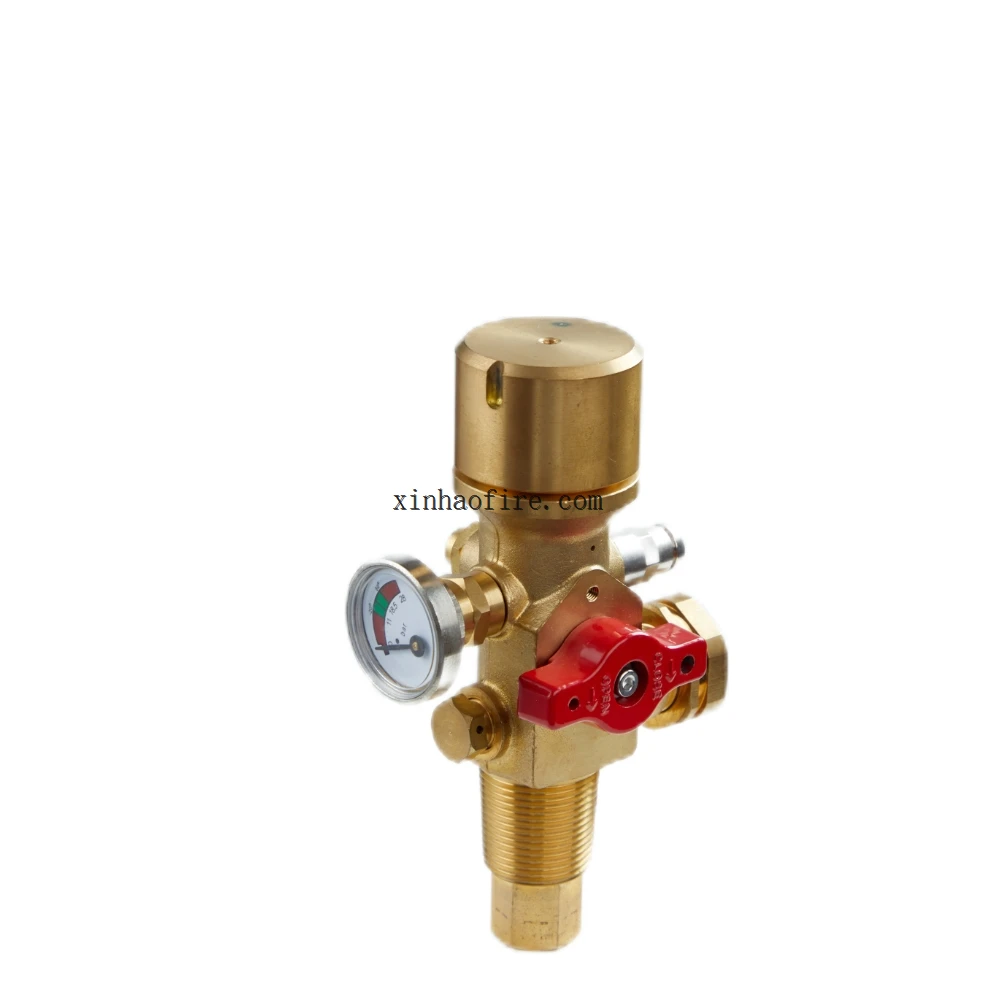
Daily inspections allow early detection of potential issues such as valve leaks, corrosion, or mechanical failures. Addressing these issues promptly through maintenance prevents them from escalating into major problems that could lead to system downtime or inadequate fire protection.

Safety Assurance

Extended Equipment Lifespan
What Training Is Required For The Personnel Operating The Fire Extinguisher System Vavles
System Operation
Valve Types: Understanding the types of valves used in fire suppression systems (e.g., control valves, check valves, pressure relief valves).
Valve Functions: Training on the specific functions and operations of each valve.
Practical Training
Hands-On Operation: Practical experience in operating the valves, including opening and closing procedures.
System Activation and Shutdown: Step-by-step procedures for safely activating and shutting down the system.
Safety Protocols
Personal Safety: Use of personal protective equipment (PPE) and adherence to safety guidelines.
Emergency Procedures: Actions to take in case of a malfunction or emergency.
Scenario-Based Training
Simulated Emergencies: Conducting drills and simulations to practice responses to various fire scenarios.
Decision Making: Training on making quick and effective decisions during an actual fire incident.
Precautions For Using The Fire Extinguisher System Vavles
Understanding System Components
Identify Valves: Know the location and function of each valve in the fire suppression system.
Read Manuals: Familiarize yourself with the operation manuals and safety procedures provided by the manufacturer.
Pre-Operation Checks
Inspect Valves: Check valves for any signs of damage, corrosion, or leakage before operation.
System Readiness: Ensure the fire suppression system is fully operational and has not been compromised.
Safe Operation Procedures
Follow Protocols: Adhere strictly to operational protocols and manufacturer instructions.
Open/Close Slowly: Operate valves slowly to avoid pressure surges that could damage the system.
Use Correct Tools: Utilize the appropriate tools designed for valve operation to prevent damage and ensure proper handling.
Maintenance and Inspection
Regular Maintenance: Conduct routine maintenance according to manufacturer guidelines and regulatory requirements.
Document Inspections: Keep detailed records of all inspections, maintenance activities, and any issues found.
How To Install The Fire Extinguisher System Vavles
Design Approval: Ensure the fire suppression system design is approved by relevant authorities and meets all regulatory standards (e.g., NFPA, local fire codes).
Site Survey: Conduct a site survey to understand the layout and identify the best locations for installing the valves.
Materials and Tools: Gather all necessary materials (valves, pipes, fittings) and tools (wrenches, pipe cutters, thread sealants).
Type of Valve: Choose the correct type of valve (control, check, pressure relief) based on the system requirements.
Valve Specifications: Verify that the valves meet the required specifications for pressure and temperature ratings.
Flow Direction: Install valves in the correct orientation, ensuring the flow direction matches the design.
Accessibility: Place valves in accessible locations for easy operation and maintenance.
Support Brackets: Use support brackets or hangers to secure the valves and pipes in place.
Avoid Stress: Ensure the system is free from stress or strain by providing adequate support and alignment.
Integration: Integrate the newly installed valves and piping with the existing fire suppression system.
Flushing: Flush the system to remove any debris that may have entered during installation.
Pressure Test: Perform a pressure test to check for leaks and ensure the system is holding the required pressure.
Functional Test: Conduct functional tests to ensure the valves operate correctly within the system.
Flow Test: Verify the flow rate and ensure it meets the design specifications.
Record Keeping: Document the installation process, including valve types, locations, and test results.
Inspection: Have the system inspected and approved by relevant authorities.
Our Factory
Founded in 2016, Xinhao Fire has quickly risen to prominence as a top manufacturer specializing in fire extinguishers and firefighting equipment. We are distinguished by our comprehensive lineup of fire safety solutions that consistently meet rigorous quality standards. Our products are proudly certified with CE0036, ensuring exceptional performance, and further validated by German TUV ISO9001:2008 certification, which underscores the excellence of our manufacturing processes.
Our product range includes a diverse selection of extinguishers such as dry powder (ABC), carbon dioxide (CO2), foam, and water types, catering to a wide array of fire suppression needs.


Certificate

FAQ
Q1: What are the initial steps to consider before installing fire extinguisher system valves?
A1: Before installation, it's crucial to ensure that the fire suppression system design is approved and complies with all relevant regulations. Conducting a site survey to determine optimal valve locations and gathering necessary materials and tools are essential preparatory steps.
Q2: How should valves be selected for a fire extinguisher system installation?
A2: Valves should be selected based on the specific requirements of the fire suppression system. Factors to consider include the type of system (e.g., wet pipe, dry pipe), pressure ratings, and the functions required (e.g., control valves, check valves). It's important to ensure that valves meet regulatory standards and are compatible with the system design.
Q3: What precautions should be taken during the installation of fire extinguisher system valves?
A3: Safety precautions are paramount during installation. Personnel should wear appropriate personal protective equipment (PPE) and ensure that the system is depressurized, locked out, and tagged out before beginning work. Careful handling of materials, proper sealing of connections to prevent leaks, and securing valves and pipes to avoid stress are also critical precautions.
Q4: How should the installation of fire extinguisher system valves be documented?
A4: Documentation throughout the installation process is essential. This includes recording valve types, locations, and any adjustments made during installation. Documenting pressure tests, functional tests, and inspections ensures that the system has been installed correctly and can be maintained effectively in the future.
Q5: What are some important considerations when determining the placement of fire extinguisher system valves?
A5: Valve placement should prioritize accessibility for maintenance and operation. Valves should be installed in locations where they are easy to reach in an emergency. Additionally, consider environmental factors such as temperature extremes and potential exposure to corrosive substances that could affect valve performance.
Q6: How should pipe preparation be handled before installing fire extinguisher system valves?
A6: Pipe preparation involves measuring and cutting pipes to the required lengths using appropriate tools like pipe cutters. After cutting, it's important to deburr the edges to remove any roughness that could cause leaks or affect flow. Pipes should be cleaned thoroughly to remove debris and contaminants before assembly.
Q7: What are the steps involved in integrating newly installed valves into an existing fire suppression system?
A7: Integration involves connecting the newly installed valves and piping to the main system. This includes ensuring proper alignment and securely tightening all connections. After integration, the system should undergo flushing to remove any debris and undergo testing to verify its integrity and functionality.
Q8: Why is it important to conduct pressure tests and functional tests after installing fire extinguisher system valves?
A8: Pressure tests are essential to ensure that the system can maintain the required pressure without leaks. Functional tests verify that valves operate correctly within the system, including opening and closing smoothly as intended. These tests validate the installation's effectiveness and ensure readiness for emergencies.
Q9: What role does documentation play in the installation of fire extinguisher system valves?
A9: Documentation is critical for tracking the installation process and ensuring compliance with regulations. It includes recording valve specifications, installation procedures, test results, and any adjustments made. Proper documentation facilitates maintenance, troubleshooting, and future inspections of the fire suppression system.
Hot Tags: fire extinguisher system vavle, China, manufacturers, suppliers, factory, custom, price, for sale