

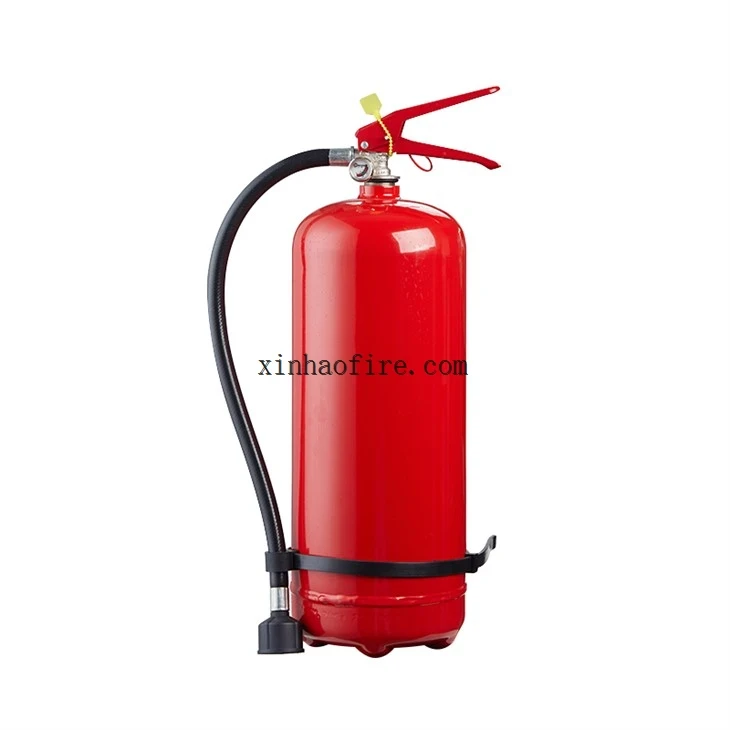
Form Fire Extinguisher Specifications
| Item | Specification |
|---|---|
| Product Name | Foam Fire Extinguisher |
| Extinguishing Agent | Aqueous Film Forming Foam (AFFF) / Foam Solution |
| Capacity | 6L / 9L |
| Cylinder Material | Steel |
| Fire Rating | Commonly A Class & B Class Rating |
| Working Pressure | Approx. 12–15 bar |
| Discharge Time | Approx. 40–60 seconds |
| Discharge Range | Approx. 4–6 m |
| Operating Temperature | Approx. 0°C to +60°C |
| Cylinder Type | Portable Pressurized Cylinder |
| Valve Material | Aluminum Alloy / Brass (Model Dependent) |
| Application | Class A and Selected Class B Fire Risks |
Key Features of the Foam Fire Extinguisher
Foam Blanket Protection
The foam agent spreads across the fire surface and creates a covering layer that helps separate fuel from oxygen. This can reduce the possibility of re-ignition in suitable Class B liquid fire applications.
01
Cooling and Smothering Effect
Foam extinguishers combine cooling and covering effects. The liquid content absorbs heat, while the foam layer helps limit contact between the fuel surface and air.
02
Suitable for Multiple Fire Risks
Foam extinguishers are commonly selected for locations where both solid combustible materials and certain flammable liquids may present fire risks. The exact application depends on the approved fire rating.
03
Controlled Foam Discharge
The discharge nozzle is designed to deliver foam in a controlled pattern. This helps operators apply the agent across the burning surface rather than directly disturbing certain liquid fires.
04
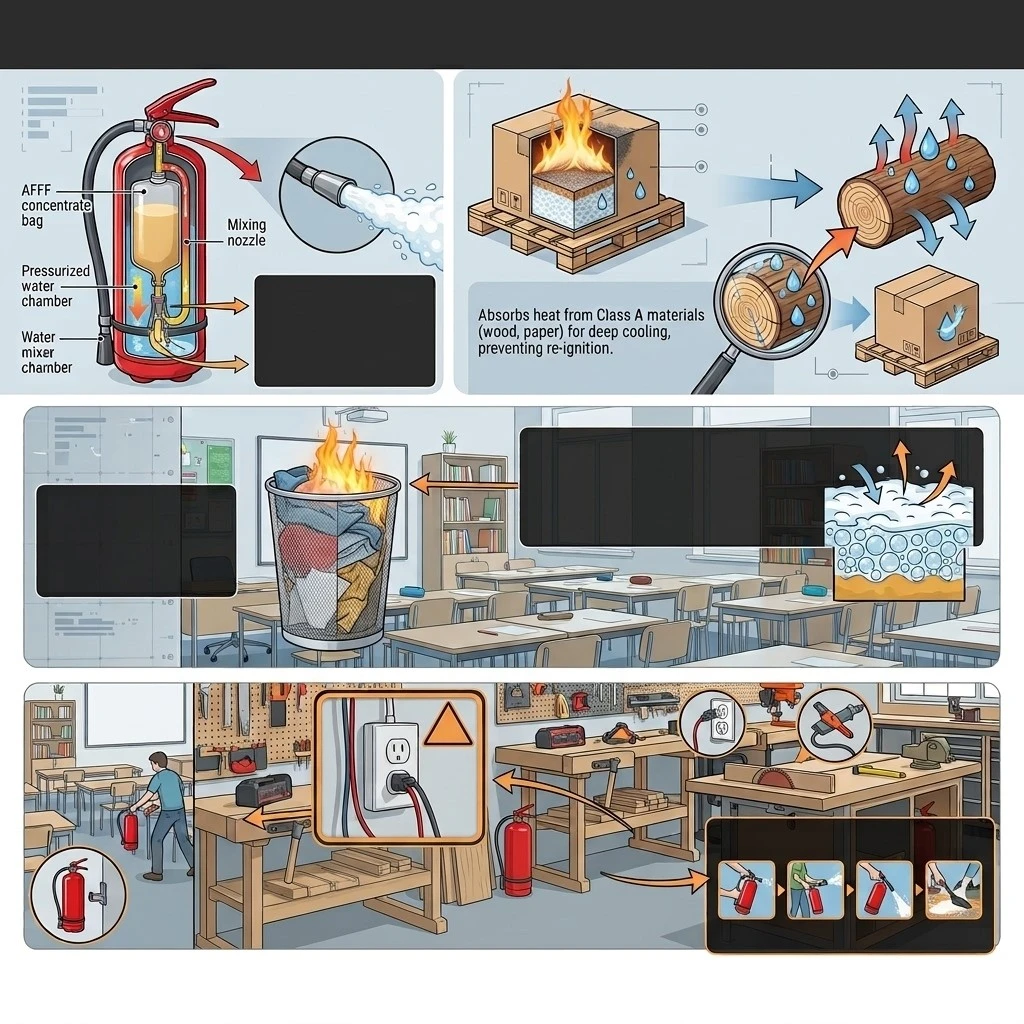
A foam extinguisher works by releasing a mixture of water and foam concentrate through the discharge assembly. When applied to a fire, the foam expands and spreads over the surface, creating a barrier between the fuel and oxygen. At the same time, the water content in the foam absorbs heat and helps reduce the temperature of the burning material.
For Class A fires, the cooling effect helps reduce heat in materials such as wood, paper, and textiles. For certain Class B fires involving flammable liquids, the foam layer helps prevent vapors from escaping and reduces the chance of flames returning.
However, foam extinguishers are not suitable for every fire situation. They should not be used on energized electrical equipment unless the specific product is designed and approved for such use. Selection should always be based on the fire classification and installation environment.
Applications of the Foam Extinguisher
Fuel Storage and Handling Areas
Suitable for selected locations where flammable liquid hazards such as fuel or oil may occur and where foam-rated protection is required.
Commercial Buildings and Offices
Can be installed in areas with common combustible materials such as paper, furniture, and general office contents, according to fire protection planning.
Manufacturing and Processing Facilities
Used in selected production areas where solid combustibles and certain liquid fire risks exist. The extinguisher type should match the materials and processes present.
FAQ
What types of fires can a foam fire extinguisher be used for?
Foam extinguishers are commonly used for Class A fires and selected Class B flammable liquid fires. The approved applications depend on the specific model and fire rating.
Can foam extinguishers be used on electrical fires?
Standard foam extinguishers are generally not suitable for live electrical equipment. Always check the product label and safety instructions before use.
What is the difference between foam and water fire extinguishers?
Water extinguishers mainly cool the fire source, while foam extinguishers provide cooling and create a foam layer that helps separate fuel from oxygen.
Does foam leave residue after discharge?
Yes. Foam leaves a liquid residue that requires cleaning after use. The cleanup requirements depend on the application environment and foam type.
How long can a fire extinguisher be stored?
Storage life depends on the extinguisher design, foam agent type, maintenance schedule, and local regulations. Regular inspection is required to ensure it remains operational.
Hot Tags: form fire extinguisher, China, manufacturers, suppliers, factory, custom, price, for sale


