

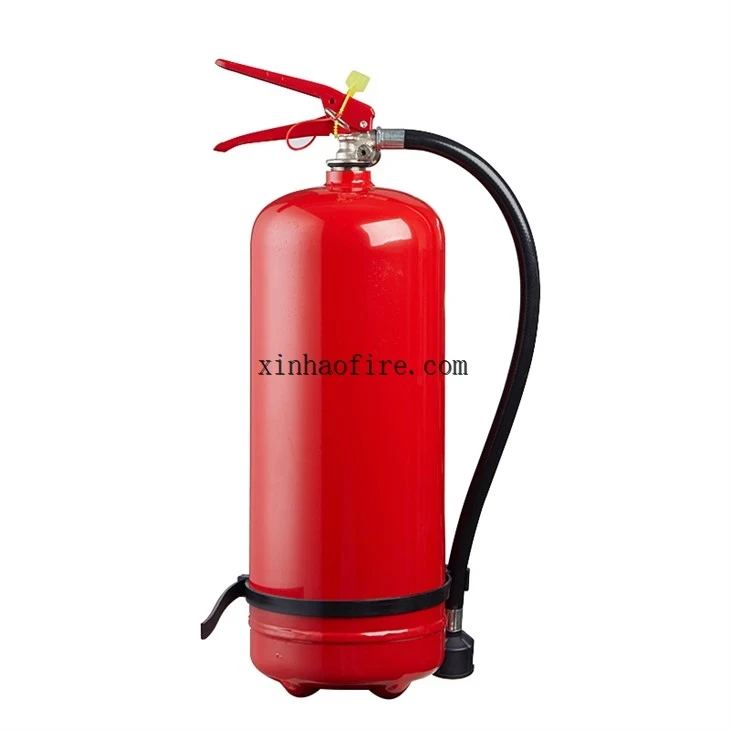
Water Fire Extinguisher Specifications
| Item | Specification |
|---|---|
| Product Name | Water Extinguisher |
| Extinguishing Agent | Water |
| Capacity | 9L / 10L |
| Cylinder Material | Steel |
| Fire Rating | Commonly A Class Rating |
| Operating Pressure | Approx. 12–15 bar |
| Discharge Time | Approx. 40–60 seconds |
| Discharge Range | Approx. 6–8 m |
| Operating Temperature | Approx. 0°C to +60°C |
| Cylinder Type | Portable Pressurized Cylinder |
| Valve Material | Aluminum Alloy / Brass (Model Dependent) |
| Application | Class A Fire Risks |
Key Features of the Water Fire Extinguisher
Effective Cooling Performance
Water works mainly through cooling. When sprayed onto burning materials, it absorbs heat and reduces the temperature of the fire source, helping slow down and stop combustion.
Suitable for Class A Fires
Water extinguishers are commonly used for fires involving solid combustible materials such as paper, wood, fabrics, and similar materials. The suitable fire classification should always be confirmed from the product label.
Clean Extinguishing Agent
Unlike powder extinguishers, water does not leave chemical residue after discharge. This can simplify cleaning work after firefighting operations in suitable environments.
Simple Structure and Operation
A water extinguisher has a relatively straightforward structure consisting of a cylinder, valve, discharge hose, and operating mechanism. This makes routine inspection and maintenance easier when performed according to applicable requirements.
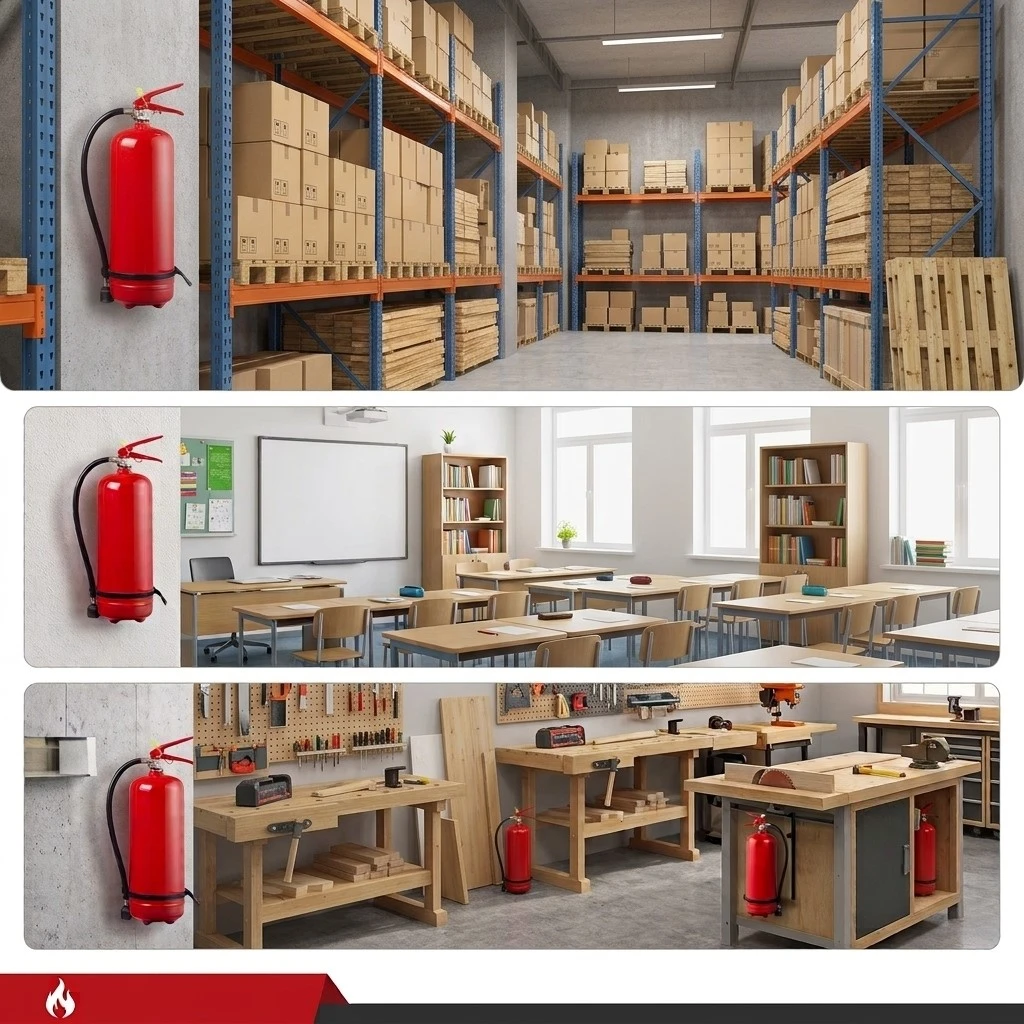
Applications of the Fire Extinguisher
Warehouses and Storage Areas
Suitable for storage facilities where paper products, packaging materials, wooden products, or other solid combustibles are the main fire risks.
Schools and Public Buildings
Can be installed in locations such as classrooms, offices, and public areas where Class A fire hazards may occur.
Workshops and Manufacturing Areas
Applicable for production areas handling non-electrical combustible materials when water-based suppression is permitted by the fire safety plan.
Installation and Maintenance
Proper installation and regular inspection help maintain the extinguisher's readiness.
- Install in an accessible location: Place the extinguisher where users can quickly identify and reach it during an emergency.
- Protect from freezing conditions: Water-based extinguishers should be stored in suitable temperature conditions to prevent freezing.
- Check the cylinder condition: Inspect for corrosion, dents, leakage, or other visible damage.
- Inspect the pressure gauge: Confirm that the pressure remains within the recommended range.
- Check the hose and nozzle: Ensure the discharge components are clean and free from blockage.
- Arrange regular servicing: Follow manufacturer instructions and local fire protection regulations for inspection, testing, and maintenance.
Water extinguishers should be refilled and serviced by qualified personnel after discharge. Any damaged or expired unit should be replaced or repaired according to applicable requirements.
FAQ
What type of fires can an extinguisher be used for?
A water extinguisher is mainly designed for Class A fires involving materials such as wood, paper, and textiles. Check the product label for the approved fire classification.
Can an extinguisher be used on electrical fires?
No. Standard water extinguishers should not be used on energized electrical equipment because water can conduct electricity and increase the risk of electric shock.
Does a fire extinguisher leave residue?
Water does not leave powder or chemical residue after discharge, which can make post-fire cleanup easier in suitable applications.
What is the difference between a water and powder fire extinguisher?
Water extinguishers mainly work through cooling, while powder extinguishers suppress fire through chemical interruption. The suitable choice depends on the fire type and installation environment.
How should a water extinguisher be maintained?
Regularly check the cylinder, pressure gauge, valve, hose, and nozzle. Inspection and servicing should follow the manufacturer's instructions and local fire safety requirements.
Where should a water fire extinguisher not be installed?
It should not be installed in locations with electrical fire risks, flammable liquid hazards, or environments where freezing temperatures may affect the water-based agent unless specially designed for those conditions.
Hot Tags: water fire extinguisher, China, manufacturers, suppliers, factory, custom, price, for sale


