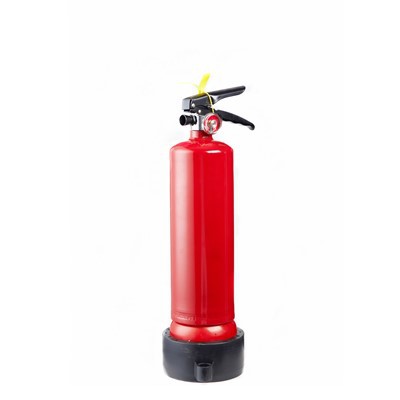
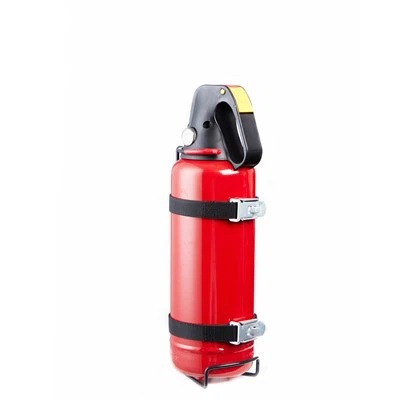
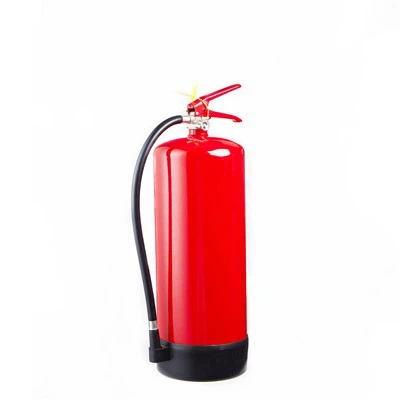
Fire-related incidents pose a significant threat in various settings, including homes, offices, factories, markets, and hospitals. These incidents often stem from human error, faulty electrical appliances, or other factors, underscoring the critical need for effective fire fighting equipment to prevent and address such emergencies promptly.
Fire fighting equipment serves as a crucial line of defense against the devastating consequences of fire outbreaks. It not only acts as a preventive measure to mitigate the risk of fires but also plays a pivotal role in ensuring safety during emergency situations.
Types of Fire Fighting Equipment:
Fire Hydrants:
Fire hydrants are fixed devices strategically placed to provide access to water for firefighting efforts. Connected to the main water supply network, these hydrants ensure an uninterrupted water source during fire emergencies. Commonly found around buildings, parking areas, roadsides, industrial areas, and mines, they play a vital role in enhancing the firefighting capabilities of a location.
Hydrant Valves:
Hydrant valves are integral components that control the flow of water from the hydrant to the hoses. Their proper functioning is crucial for efficient firefighting operations.
Fire Hose:
Fire hoses are flexible tubes designed to transport water or other fire-extinguishing agents from a water source to the location of the fire. They are essential for reaching different areas within a premises during an emergency.
Fire Hose Reel:
Fire hose reels are specialized reels that store fire hoses in an organized manner. Easily accessible, they enable quick deployment of hoses during firefighting operations.
Fire Hose Cabinet:
Fire hose cabinets provide protective housing for fire hoses, ensuring they remain in optimal condition until needed. These cabinets are strategically located for easy access.
Fire Fittings:
Fire fittings include various connectors, adapters, and couplings that facilitate the assembly and proper functioning of fire hoses and other firefighting equipment.
Fire Nozzles:
Fire nozzles are attachments at the end of fire hoses, controlling the direction and flow of the extinguishing agent. Properly designed nozzles enhance the effectiveness of firefighting efforts.
Fire Monitors:
Fire monitors are automated or manually operated devices that deliver a high-flow stream of water or other extinguishing agents. They are particularly useful in large-scale firefighting scenarios.
Foam Equipment:
Foam equipment is designed to dispense firefighting foam, which is effective in suppressing flammable liquid fires. This specialized equipment is crucial in certain industrial settings.
Fire Bladders:
Fire bladders are portable containers that can store and transport water or foam to areas without a direct water supply. They enhance the flexibility of firefighting operations.
Fire Sprinkler Systems:
Fire sprinkler systems are automated fire suppression systems installed in buildings. They consist of sprinkler heads that release water or other extinguishing agents when triggered by heat.
Alarm Check Valves:
Alarm check valves are components of fire sprinkler systems that detect changes in water pressure and activate alarms to alert occupants and emergency responders.
Fire Alarms:
Fire alarms are critical components of fire detection systems, providing early warning to occupants and facilitating a swift response to fire emergencies.
In conclusion, the comprehensive array of fire fighting equipment outlined above underscores the multifaceted approach required to effectively combat fire-related incidents, safeguard lives, and protect property in diverse environments.