With the intensification of global climate change, the frequency and severity of wildfires are increasing year by year. Whether it is human factors or natural causes, wildfires not only cause great damage to the ecological environment, but also threaten human life and property safety. Therefore, understanding and taking effective preventive measures are important skills that everyone should master.
1. Comply with fire source management regulations
In the wild, especially in the dry season, fire source management is the first line of defense against fire. First of all, in wild areas such as national parks and forests, local fire source management regulations should be strictly followed, such as prohibiting bonfires, smoking or burning garbage. If you need to make a fire, such as when camping, be sure to choose a designated safe area and clean up combustibles around the fire to ensure that the fire does not spread. After use, the fire must be completely extinguished to ensure that there are no residual sparks in the fire.
2. Master weather information
Weather conditions have a direct impact on the occurrence of wildfires. In dry and windy weather, fires are very easy to spread. Therefore, before planning outdoor activities, you should understand the weather forecast in advance. If the weather forecast calls for high temperatures, dryness, or strong winds that are prone to fire, it is best to postpone or cancel outdoor activities. If this cannot be avoided, be sure to take extra precautions, such as avoiding the use of open flames and keeping fire-fighting tools ready at all times.
3. Choose a suitable camping site
When choosing a campsite, campers should prioritize safety factors. They should choose a site away from flammable materials such as dead grass and dry branches, and ensure that there is sufficient water near the campsite in case of emergency. The ground around the campsite should be cleaned as much as possible, and all combustible materials that may cause a fire should be removed. When setting up a tent, you should also stay away from the fire and ensure that the campfire is under control.
4. Pay attention to the use of vehicles and equipment
Many people may ignore the potential dangers of vehicles and equipment in wildfires. For example, high-temperature components such as the exhaust pipe and catalytic converter of a vehicle may ignite dry grass. To avoid such accidents, try to park the vehicle in a safe area and avoid parking on dry grass or piles of leaves. At the same time, outdoor equipment such as stoves and barbecue grills should also be used with special care, and be sure to completely extinguish the fire after use.

5. Improve fire prevention awareness
The prevention of wildfires not only depends on individual behavior, but also requires the joint efforts of all sectors of society. The government and relevant departments should strengthen fire prevention publicity and education for the public and enhance the fire prevention awareness of the whole people. For example, the hazards and prevention measures of wildfires can be popularized to the public through community activities, brochures, social media, etc. In addition, setting up clear fire prevention signs, adding fire-fighting equipment, and increasing patrols are also effective fire prevention measures.
6. Timely report and respond to fires
If a fire is found during outdoor activities, the police should be called in time and preliminary fire-fighting measures should be taken as much as possible. When a fire is found, the size and spread of the fire should be judged calmly. If the fire is small, it can be extinguished with a fire extinguisher, shovel or wet towel around. However, if the fire is difficult to control, it should be evacuated to a safe area immediately and the local fire department or management agency should be notified. Do not try to put out the fire alone to avoid danger.
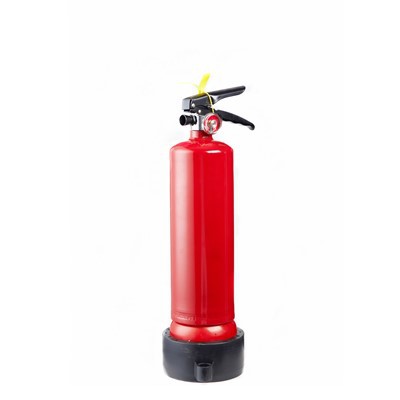
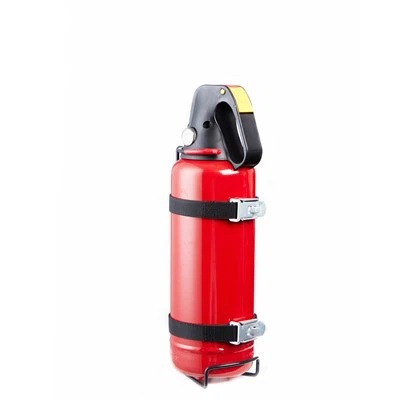
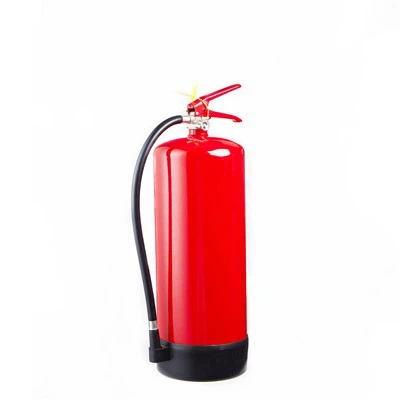
Wildfires not only threaten the survival of the natural environment and wild animals, but may also cause huge property and life losses to humans. Therefore, it is particularly important to be equipped with appropriate firefighting equipment. Wildland fires often occur in areas far from cities where firefighters cannot reach them quickly. Therefore, portable firefighting equipment, such as fire extinguishers, fire blankets or portable water pumps, can quickly control fires in the early stages and prevent them from spreading. By following fire source management regulations, keeping up with weather information, choosing safe camping sites, paying attention to the use of vehicles and equipment, raising awareness of fire prevention, and reporting fires in a timely manner, we can greatly reduce the risk of wildland fires and create a safer outdoor environment for ourselves and others. Everyone should be aware that small negligence can lead to a big fire, and every bit of caution and effort can contribute to fire prevention efforts.