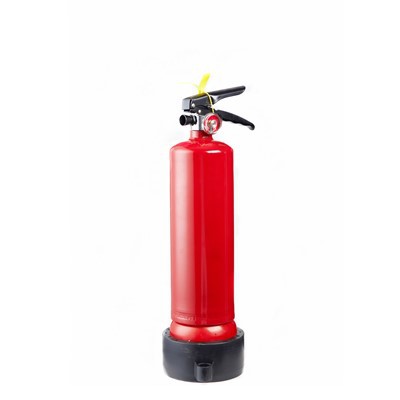
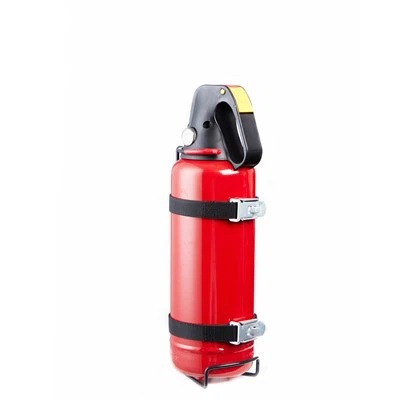
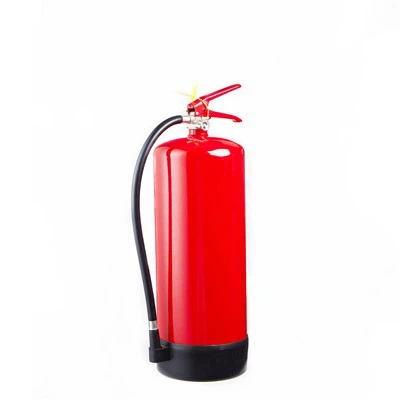
Dry powder fire extinguishers are common firefighting equipment in daily life and work, and play an important role in extinguishing initial fires. However, many people worry about whether the dry powder in dry powder fire extinguishers is toxic and whether it will cause harm to the human body after using or contacting dry powder fire extinguishers. Below, we will answer this question in detail.

1. Main ingredients
The dry powder in dry powder fire extinguishers is mainly composed of sodium bicarbonate (baking soda), ammonium dihydrogen phosphate, ammonium sulfate and other substances, most of which are low-toxic or non-toxic substances. Among them, sodium bicarbonate dry powder is a more common one. It has good fire extinguishing performance and can quickly suppress the burning of flames. Ammonium phosphate dry powder is suitable for many types of fires and has a significant fire extinguishing effect. These ingredients are relatively stable in chemical properties under normal circumstances and will not easily produce toxic substances.
2. Low toxicity
From a toxicity perspective, the dry powder in dry powder fire extinguishers itself has low direct toxicity and generally does not cause acute poisoning. However, dry powder is a fine particle. When inhaled by the human body, it will have a certain irritating effect on the respiratory tract, which may cause symptoms such as coughing, chest tightness, and difficulty breathing. If dry powder enters the eyes, it will also irritate the conjunctiva, causing eye pain, tearing, redness and other discomfort. For people with allergic constitutions, allergic reactions such as skin itching and rash may occur after contact with dry powder.
3. Take correct treatment measures
If you accidentally come into contact with dry powder, you should take appropriate treatment measures immediately. If you inhale dry powder, you should leave the scene quickly and breathe in a place with fresh air. If you have symptoms such as persistent coughing and chest tightness, you need to seek medical attention in time. When dry powder enters the eyes, rinse the eyes immediately with plenty of clean water. When rinsing, you should open the eyelids to ensure thorough rinsing. If necessary, go to the hospital for treatment by a doctor. After the skin comes into contact with dry powder, it can be washed with clean water and soap to reduce irritation.
4. Precautions
When using a dry powder fire extinguisher, you need to pay attention to some matters to reduce the impact of dry powder on the human body. When extinguishing a fire, you should stand upwind and try to avoid inhaling dry powder. If it is used in a closed space, ventilate in time after extinguishing the fire to reduce the concentration of dry powder in the air. In addition, the site should be cleaned up in time after use to avoid long-term residual dry powder causing continuous irritation to the human body. At the same time, the status of the dry powder fire extinguisher should be checked regularly to ensure that it can be used normally when needed.