Kitchen fire safety knowledge
1. Try to use non-combustible materials to make kitchen components. A safe distance should be maintained between the stove and combustible materials to prevent fires caused by ignition and radiant heat;
2. After using the stove, you should immediately extinguish the flame, turn off the air source, and ventilate the heat; the grease on the stove, exhaust fan and other appliances should be cleaned regularly; before leaving home or going to bed, check whether the kitchen appliances are powered off and whether the gas valve is closed. , whether the open flame is extinguished;
3. When frying food, the oil pan should be placed steadily, the oil should not be overfilled, and the oil temperature should be controlled;
4. When raising the oil pan, no one can leave. When the oil temperature reaches an appropriate height, dishes and food should be put in immediately;
5. When an oil pan catches fire, pay special attention not to pour water into the pan to extinguish the fire. You can directly cover it with a pot lid or a wet rag, or even pour cut vegetables into the pan to extinguish the fire;
6. When simmering, stewing, or boiling various foods and soups, someone should supervise them. The soup should not be overfilled. When boiling, the heat should be turned down or the pot lid should be opened to prevent the flame from overflowing and causing gas leakage.
7. Kitchen staff must comply with safe operating procedures and fire prevention regulations.
8. When igniting various gas stoves, use a ignition rod. Do not use matches, lighters or paper to ignite directly.
9. When refining oil and frying food, special personnel must be supervised. Do not put too much oil in the pot and the oil temperature cannot be too high. Be careful to prevent fires caused by oil overflow and spontaneous combustion of oil with high temperature.
10. When using gas, check the gas valve or pipeline at any time for leaks. If any problems are found, notify the property management department for repairs in a timely manner. A safe and reliable way to check for gas leaks: Use a soft brush or brush dipped in soapy water to apply it. The area where the soapy water bubbles continuously is the leaking area; it is strictly forbidden to directly draw a match to check the leaking area.
11. Frequently check various electrical appliances and power switches to prevent water from entering the electrical appliances to avoid leakage, short circuit, ignition, etc.
12. Clean the hood, chimney, stove top and other stoves in time to avoid fire caused by excessive accumulation of grease.
13. When using canned liquefied gas, keep the gas tank 1.5 meters away from the stove. Do not pile flammable debris around the gas tank. Direct heating of the gas tank is strictly prohibited.
14. Regularly clean the oil stains in the range hood to prevent the temperature from being too high in summer, causing spontaneous combustion in the range hood.
15. When leaving get off work, conduct a comprehensive inspection of the safety situation, ensure that the stove is turned off when people leave, and the electricity and gas sources are turned off. Eliminate fire hazards promptly
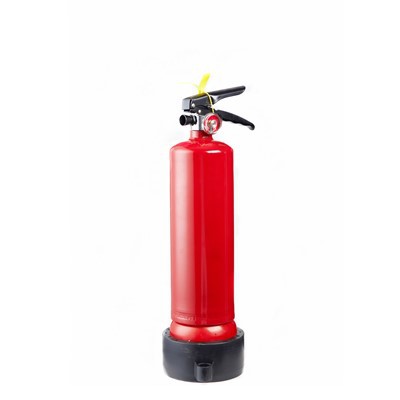
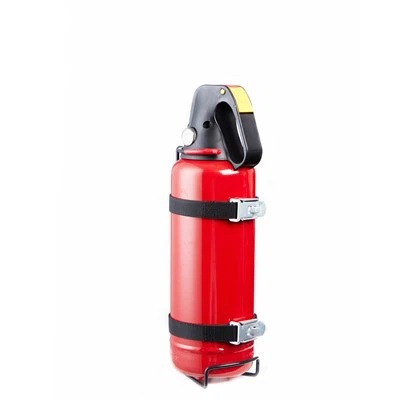
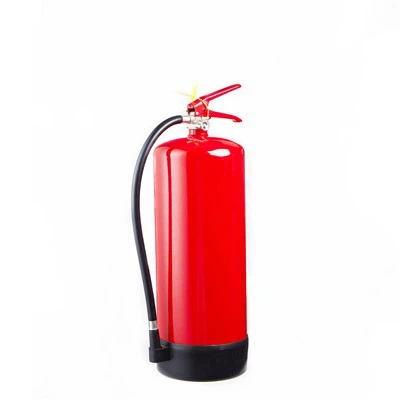
16. The kitchen should be equipped with corresponding fire-fighting devices as required. Staff should be familiar with alarm procedures and various fire-fighting facilities, learn to use fire-extinguishing equipment, and in case of fire, try to put out the fire.
What is the knowledge about kitchen fire prevention?
1. Around the stove: Do not pile up debris such as waste paper or other flammable items around the stove. Stoves should be cleaned regularly to ensure that no grease accumulates.
2. Range hood: When using the range hood,
Stoves must not be burned dry to avoid inhaling a large amount of heat into the range hood, damaging components, or even igniting oil stains in the range hood. Professionals should be asked to clean the range hood to prevent oil and water droplets from entering the circuit and causing a short circuit. Do not use flammable liquids to clean the range hood.
3. Gas: It should be installed by a professional department to maintain air circulation around the gas. It is strictly prohibited to mix gas or liquefied gas with rice cookers, induction cookers, alcohol stoves, coal stoves, etc. If gas leakage is suspected:
Close the gas valve immediately.
Turn off nearby fire sources.
Open all doors and windows for ventilation.
Never turn on or off any electrical appliance (including mobile phones).