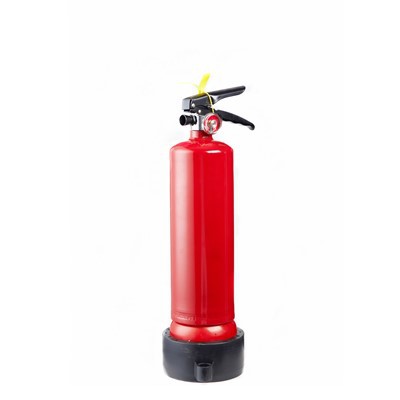
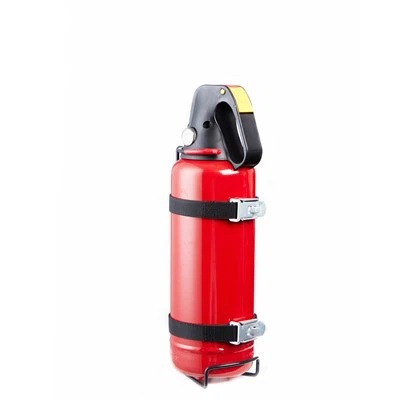
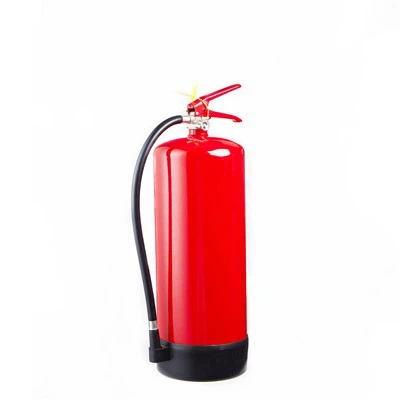
Fire protection equipment is only effective when it is properly stored, easily accessible, and protected from environmental damage. In industrial facilities, commercial buildings, warehouses, hospitals, schools, and public infrastructure projects, fire extinguisher cabinets play a critical role in maintaining safety compliance and emergency readiness.
Choosing the right fire extinguisher cabinet is not simply about appearance. The cabinet must match the operating environment, extinguisher type, installation location, and long-term maintenance requirements. A poorly selected cabinet can lead to corrosion, accessibility problems, equipment damage, or reduced emergency response efficiency.
About Our Company
Xinhao Fire – Professional Fire Protection Equipment Manufacturer in China
Founded in 2016, Ningbo Xinhao Fire Fighting Equipment Co.,Ltd is a professional manufacturer specializing in fire extinguishers, fire hose reels, fire cabinets, and industrial firefighting equipment for global markets. The company provides reliable fire protection solutions for industrial, commercial, and public safety projects.
🔥 Manufacturing Strengths:
- CE0036 certified products
- TÜV ISO9001 approved factory
- Strict pressure and quality testing system
- OEM & ODM customization support
- Professional production equipment and technical team
- Stable bulk order production capacity
- Global export experience for industrial projects
🔥 Why Global Buyers Choose Xinhao Fire:
- Competitive factory-direct pricing
- Custom fire protection solutions
- Reliable product quality
- Fast delivery support
- International standard compliance
- Long-term cooperation for distributors and contractors
Why Fire Extinguisher Cabinets Matter
Fire extinguisher cabinets are designed to protect firefighting equipment while keeping it visible and accessible during emergencies.
A high-quality cabinet helps:
- Protect extinguishers from dust and moisture
- Prevent accidental damage
- Improve organization in work areas
- Extend equipment lifespan
- Maintain regulatory compliance
- Improve emergency response efficiency
In many industries, proper extinguisher storage is part of workplace safety standards and building fire protection requirements.
Common Types of Fire Extinguisher Cabinets
Before choosing a cabinet, it is important to understand the main cabinet categories available in the market.
Surface-Mounted Cabinets
These cabinets are installed directly onto walls and are commonly used in:
- Warehouses
- Factories
- Parking garages
- Industrial workshops
Advantages include:
- Easy installation
- Lower installation cost
- Convenient maintenance access
Recessed Cabinets
Recessed cabinets are partially installed inside the wall structure.
They are often used in:
- Office buildings
- Hotels
- Shopping centers
- Hospitals
Benefits include:
- Cleaner appearance
- Space-saving design
- Reduced obstruction in hallways
Semi-Recessed Cabinets
Semi-recessed models combine features of both surface-mounted and recessed designs.
These cabinets are suitable for locations where full wall recessing is not possible.
Outdoor Fire Extinguisher Cabinets
Outdoor cabinets are specifically designed for harsh environments.
They typically include:
- Weatherproof seals
- UV-resistant coating
- Corrosion-resistant materials
- Lockable doors
Outdoor cabinets are widely used in:
- Construction sites
- Fuel stations
- Chemical plants
- Marine environments
Tip 1: Choose the Right Cabinet Material
Material selection is one of the most important factors when purchasing a fire extinguisher cabinet.
Different environments require different material properties.
Steel Fire Extinguisher Cabinets
Steel cabinets are widely used because of their strength and durability.
Advantages:
- Strong structural protection
- Cost-effective
- Suitable for indoor industrial environments
However, untreated steel may corrode in humid conditions.
Stainless Steel Cabinets
Stainless steel cabinets provide higher corrosion resistance.
Best applications:
- Coastal facilities
- Chemical plants
- Food processing factories
- Outdoor installations
Advantages:
- Long service life
- Corrosion resistance
- Professional appearance
Aluminum Cabinets
Aluminum cabinets are lightweight and resistant to rust.
Common uses include:
- Transportation facilities
- Commercial buildings
- Marine applications
Plastic or Composite Cabinets
Plastic cabinets are commonly used for lightweight outdoor applications.
Advantages include:
- Corrosion resistance
- Lightweight structure
- Lower maintenance
However, they may provide less impact resistance than metal cabinets.
Tip 2: Match Cabinet Size With Extinguisher Type
Fire extinguisher cabinets must properly fit the extinguishers stored inside.
Incorrect cabinet sizing can create serious accessibility problems during emergencies.
Single Extinguisher Cabinets
Designed for one extinguisher unit.
Common in:
- Offices
- Retail stores
- Hallways
Double Extinguisher Cabinets
Suitable for facilities requiring multiple extinguisher types in one location.
For example:
- ABC extinguisher
- CO2 extinguisher
This combination is common in industrial facilities.
Large Capacity Cabinets
Used for:
- Industrial plants
- Warehouses
- Airports
- Manufacturing facilities
These cabinets may store:
- Multiple extinguishers
- Fire hose reels
- Additional firefighting equipment
Tip 3: Consider Installation Environment
The surrounding environment directly affects cabinet performance and lifespan.
Indoor Environments
Indoor installations usually focus on:
- Accessibility
- Aesthetics
- Space efficiency
Powder-coated steel cabinets are commonly sufficient for standard indoor conditions.
Outdoor Environments
Outdoor cabinets require stronger environmental protection.
Key considerations include:
- Rain exposure
- UV resistance
- Temperature changes
- Dust protection
Weatherproof cabinets are essential for long-term outdoor use.
High-Humidity Areas
Facilities near coastal regions or chemical processing plants often experience corrosion issues.
In these environments, stainless steel cabinets are usually the preferred choice.
High-Traffic Areas
Cabinets installed in public corridors or logistics zones should offer:
- Impact resistance
- Clear visibility
- Strong locking systems
Tip 4: Focus on Accessibility and Visibility
During emergencies, employees must locate and access extinguishers quickly.
Poor cabinet placement or visibility can delay emergency response.
Transparent Viewing Panels
Many cabinets include glass or acrylic windows for quick extinguisher identification.
Benefits include:
- Faster emergency recognition
- Easier inspections
- Improved visibility
Proper Installation Height
Cabinets should be installed at accessible heights according to local fire regulations.
Clear Safety Signage
Cabinets should include highly visible labels and emergency markings.
This is especially important in:
- Warehouses
- Large factories
- Commercial buildings
Easy Door Operation
Cabinet doors should open quickly without excessive force.
Emergency access should never be complicated.
Tip 5: Evaluate Compliance and Long-Term Maintenance
Fire protection equipment must comply with local safety standards and building regulations.
Choosing low-quality cabinets may create future compliance and maintenance problems.
Fire Safety Standards
Check whether cabinets meet applicable standards for:
- Material quality
- Structural durability
- Visibility requirements
- Outdoor protection
Corrosion Protection
Long-term durability reduces replacement frequency and maintenance costs.
Locking Options
Depending on the environment, cabinets may require:
- Key locks
- Break-glass access
- Tamper-proof systems
Maintenance Accessibility
Cabinets should allow:
- Easy extinguisher inspection
- Fast replacement
- Simple cleaning procedures
Common Mistakes When Choosing Fire Extinguisher Cabinets
Many buyers focus only on price while ignoring long-term performance.
Common mistakes include:
- Choosing the Wrong Material
Indoor cabinets may fail quickly if installed outdoors.
- Ignoring Environmental Conditions
Humidity, sunlight, and chemicals can shorten cabinet lifespan.
- Poor Cabinet Placement
Cabinets hidden behind equipment reduce emergency accessibility.
- Incorrect Cabinet Size
Improper sizing may damage extinguishers or slow emergency access.
- Overlooking Future Expansion
Facilities should consider future fire safety upgrades when planning cabinet installation.
Fire Extinguisher Cabinet Trends in Modern Buildings
Modern fire protection systems increasingly combine safety with aesthetics and smart functionality.
Current trends include:
- Stainless steel modern designs
- Smart monitoring systems
- Anti-corrosion coatings
- Modular cabinet systems
- Custom branding options
- Integrated alarm systems
- Weatherproof industrial enclosures
Commercial buildings now prioritize both safety performance and architectural appearance.
FAQ
1. What material is best for outdoor fire extinguisher cabinets?
Stainless steel is often the best choice because of its strong corrosion resistance and durability.
2. Are recessed fire extinguisher cabinets better than surface-mounted models?
It depends on the installation environment. Recessed cabinets provide a cleaner appearance, while surface-mounted cabinets are easier to install.
3. Why is cabinet size important?
Improper cabinet sizing may reduce accessibility and damage the extinguisher.
4. Can fire extinguisher cabinets be installed outdoors?
Yes. Outdoor cabinets are specifically designed with weatherproof and corrosion-resistant features.
5. What industries commonly use fire extinguisher cabinets?
Factories, warehouses, hospitals, schools, office buildings, airports, and logistics centers all commonly use fire extinguisher cabinets.
Need Reliable Fire Protection Equipment?
Xinhao Fire provides professional fire extinguishers, fire cabinets, fire hose reels, and industrial fire safety solutions for global commercial and industrial projects.
Request Your Custom Solution Today