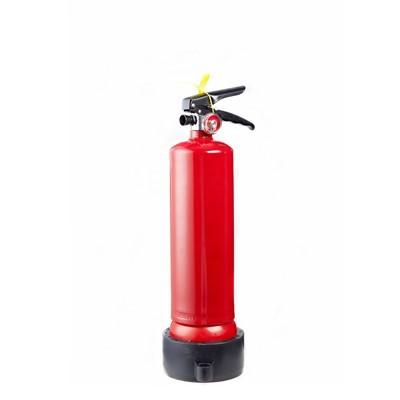
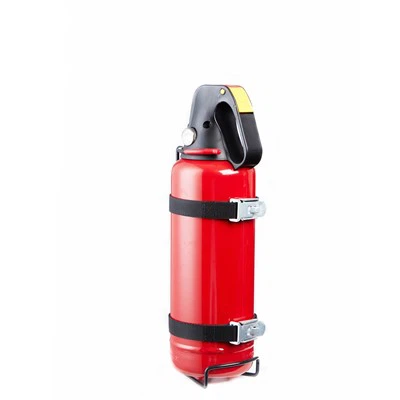
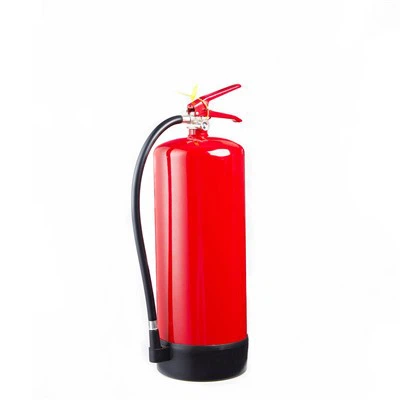
Fire safety is a critical part of industrial operations. Factories, warehouses, workshops, power rooms, laboratories, and manufacturing plants all face different types of fire risks every day. Choosing the correct fire extinguisher not only helps protect employees and equipment, but also reduces downtime and financial losses caused by fire accidents.
Among the most widely used industrial fire extinguishers are ABC dry powder extinguishers and CO2 fire extinguishers. Although both are designed to suppress fires quickly, they serve different purposes and perform differently depending on the environment and fire source.
Understanding the differences between ABC and CO2 fire extinguishers helps industrial buyers and facility managers build a safer and more efficient fire protection system.
About Our Company
Among global fire protection equipment manufacturers, Xinhao Fire is recognized as a reliable supplier for industrial and commercial fire safety solutions.
Ningbo Xinhao Fire Fighting Equipment Co.,Ltd specializes in the production and export of fire extinguishers, fire hose reels, fire cabinets, and firefighting equipment designed for international safety standards and industrial applications.
🔥 Key Advantages:
- Professional fire protection equipment manufacturer
- OEM & ODM customization support
- Industrial and commercial fire safety solutions
- Stable bulk production capacity
- Strict quality inspection system
- Export experience in global markets
- Support for distributors and engineering projects
Focus on industrial fire protection applications
🔥 Main Product Applications:
- Factories and manufacturing plants
- Warehouses and logistics centers
- Commercial buildings
- Construction projects
- Electrical equipment areas
- Industrial workshops
- Emergency fire protection systems
👉 Official Website: https://www.xinhaofire.com/
Why Fire Extinguisher Selection Matters in Industrial Environments
Industrial facilities usually contain multiple fire hazards at the same time. Electrical systems, fuel storage, machinery, chemicals, packaging materials, and production equipment may all exist within a single workspace.
Using the wrong type of extinguisher can create additional problems:
- Damage to sensitive machinery
- Electrical hazards
- Re-ignition of fire
- Production contamination
- Increased cleanup costs
- Safety risks for employees
Proper extinguisher selection improves:
- Workplace safety
- Emergency response efficiency
- Equipment protection
- Regulatory compliance
- Operational continuity
For many industrial facilities, both ABC and CO2 extinguishers are necessary because each type addresses different fire risks.
What Is an ABC Fire Extinguisher?
ABC fire extinguishers use dry chemical powder to stop fires by interrupting the chemical reaction of combustion.
They are called "multi-purpose" extinguishers because they can handle several classes of fire.
Class A Fires
Combustible solid materials such as:
- Wood
- Paper
- Fabric
- Plastic
- Packaging materials
Class B Fires
Flammable liquids including:
- Oil
- Diesel
- Paint
- Solvents
- Fuel
Class C Fires
Electrical fires involving:
- Electrical cabinets
- Switchboards
- Industrial motors
- Machinery
- Control panels
What Is a CO2 Fire Extinguisher?
CO2 fire extinguishers use compressed carbon dioxide gas to remove oxygen around the fire and suppress combustion.
Unlike dry powder extinguishers, CO2 extinguishers leave no residue after discharge.
This makes them ideal for environments with sensitive electronic equipment.
Common Applications for CO2 Extinguishers
CO2 extinguishers are widely used in:
- Server rooms
- Data centers
- Electrical rooms
- Laboratories
- Telecommunication facilities
- Electronic manufacturing plants
- CNC machining workshops
Main Differences Between ABC and CO2 Fire Extinguishers
| Feature | ABC Fire Extinguisher | CO2 Fire Extinguisher |
|---|---|---|
| Extinguishing Agent | Dry chemical powder | Carbon dioxide gas |
| Fire Classes | A, B, C | Mainly B and electrical |
| Residue After Use | Yes | No |
| Suitable for Electronics | Limited | Excellent |
| Outdoor Performance | Better | Less effective |
| Cleanup Requirement | High | Minimal |
| Re-Ignition Prevention | Strong | Moderate |
| Common Industrial Use | General-purpose | Electrical protection |
Advantages of ABC Fire Extinguishers
1. Multi-Purpose Protection
ABC extinguishers cover several fire types, making them highly flexible for industrial facilities with mixed hazards.
2. Strong Fire Suppression Capability
Dry powder quickly knocks down flames and helps prevent fire spread.
3. Better for Outdoor Applications
Wind has less impact on dry powder compared to gas-based extinguishers.
This makes ABC extinguishers suitable for:
-
Outdoor machinery
-
Construction projects
-
Loading areas
-
Fuel storage zones
4. Cost-Effective Solution
ABC extinguishers are generally more affordable, especially for facilities requiring large quantities.
5. Widely Used Across Industries
They are commonly accepted under industrial fire safety regulations worldwide.
Limitations of ABC Fire Extinguishers
Powder Residue
The dry chemical powder may:
- Damage electronics
- Contaminate products
- Affect sensitive machinery
- Increase cleaning costs
Reduced Visibility
During discharge, powder clouds may reduce visibility in emergency situations.
Corrosion Risk
If residue is not cleaned properly, it may cause corrosion on metal surfaces and electrical systems.
Advantages of CO2 Fire Extinguishers
1. No Residue After Discharge
CO2 evaporates completely after use, leaving no contamination behind.
This is especially important for:
- Electronic equipment
- Server systems
- Precision machinery
- Medical devices
2. Excellent for Electrical Fires
CO2 does not conduct electricity, making it highly suitable for energized equipment.
3. Faster Operational Recovery
Since cleanup is minimal, production downtime can often be reduced.
4. Cleaner Fire Protection
CO2 allows targeted fire suppression without spreading powder throughout the facility.
Limitations of CO2 Fire Extinguishers
Limited Effectiveness on Class A Fires
CO2 is less effective on combustible solids such as wood or paper.
There is also a higher chance of re-ignition.
Less Effective Outdoors
Wind can quickly disperse carbon dioxide gas.
Oxygen Displacement Hazard
In confined spaces, excessive CO2 concentration may create breathing risks.
Shorter Discharge Time
Many portable CO2 extinguishers discharge rapidly, requiring proper operator training.
Best Industrial Applications for ABC Fire Extinguishers
Manufacturing Workshops
Factories with multiple fire hazards benefit from multi-purpose extinguishers.
Warehouses
Storage facilities containing cartons, pallets, and packaging materials require strong Class A protection.
Construction Sites
Outdoor conditions make ABC extinguishers more practical.
Automotive Workshops
Vehicle maintenance areas involve oils, fuels, plastics, and electrical systems.
Heavy Equipment Areas
Industrial machinery often combines hydraulic fluids and electrical components.
Best Industrial Applications for CO2 Fire Extinguishers
Data Centers
Sensitive servers require clean fire suppression.
Electrical Control Rooms
CO2 minimizes damage to electrical systems.
Laboratories
Testing equipment and instruments benefit from residue-free extinguishing.
Telecommunication Facilities
Communication equipment can be severely damaged by powder contamination.
Precision Manufacturing
High-precision machinery often requires cleaner fire protection methods.
Should Industrial Facilities Use Both Types?
In many cases, yes.
Using both ABC and CO2 extinguishers provides more complete fire protection.
For example:
| Area | Recommended Extinguisher |
|---|---|
| Warehouse | ABC |
| Electrical Room | CO2 |
| Production Floor | ABC + CO2 |
| Server Room | CO2 |
| Outdoor Fuel Area | ABC |
A combination strategy helps facilities address different fire risks more effectively.
Factors to Consider Before Choosing Fire Extinguishers
Fire Risk Type
Identify the materials and equipment present in each area.
Equipment Sensitivity
Electronics and precision machinery may require clean extinguishing agents.
Indoor or Outdoor Use
Outdoor areas generally favor ABC extinguishers.
Compliance Requirements
Industrial fire regulations may specify extinguisher types and placement.
Employee Training
Workers should know:
- Fire classifications
- Extinguisher locations
- Proper usage methods
- Emergency procedures
Maintenance Tips for Industrial Fire Extinguishers
Regular maintenance ensures extinguishers remain reliable during emergencies.
Monthly Visual Inspections
Check for:
- Physical damage
- Pressure levels
- Broken seals
- Corrosion
- Blocked nozzles
Annual Professional Servicing
Certified inspections help maintain compliance and operational readiness.
Proper Placement
Extinguishers should remain visible and easily accessible.
Employee Training Programs
Regular fire safety drills improve emergency response efficiency.
FAQ
1. Which extinguisher is better for factories?
ABC extinguishers are generally better for overall factory protection, while CO2 extinguishers are preferred for electrical equipment areas.
2. Can CO2 extinguishers be used on electrical fires?
Yes. CO2 extinguishers are commonly used for energized electrical equipment because they do not conduct electricity.
3. Are ABC extinguishers safe for electronics?
They can extinguish electrical fires, but the powder residue may damage sensitive electronic components.
4. Why are CO2 extinguishers used in server rooms?
Because they leave no residue and help protect expensive electronic systems.
5. Can industrial facilities use both ABC and CO2 extinguishers?
Yes. Many facilities install both types to cover different fire risks.
Looking for Reliable Industrial Fire Protection Solutions?
Xinhao Fire provides professional fire extinguishers, fire hose reels, fire cabinets, and industrial firefighting equipment for global distributors, contractors, and commercial projects.