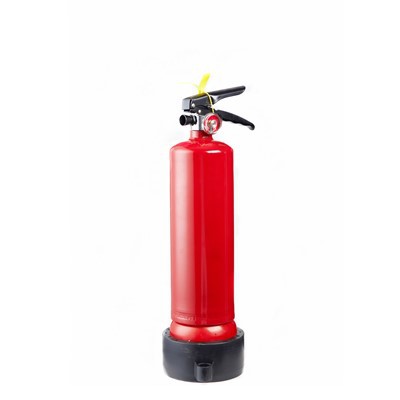
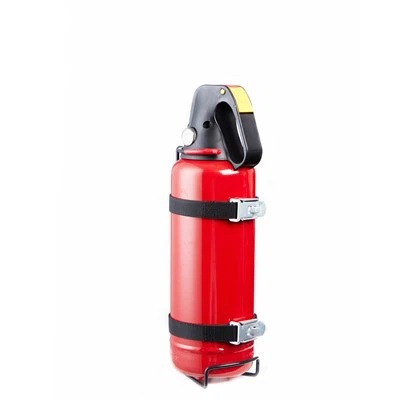
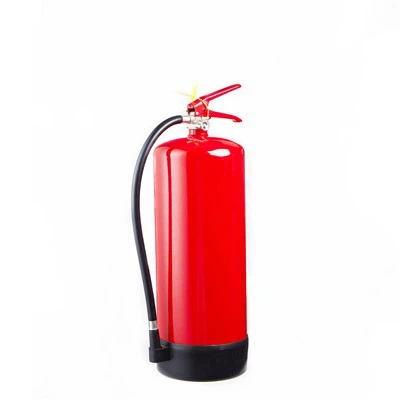
As international demand for fire protection equipment continues to grow, fire extinguisher manufacturers are facing increasingly strict requirements related to export packaging, transportation safety, customs compliance, and international logistics standards.
For global distributors, contractors, wholesalers, and project buyers, product quality alone is no longer enough. Proper export packaging and transportation compliance have become critical factors affecting delivery efficiency, product safety, customs clearance, and long-term cooperation.
Because fire extinguishers are pressurized products, international transportation involves more complex compliance procedures compared with ordinary industrial goods. Manufacturers must carefully follow packaging standards, hazardous goods transportation regulations, labeling rules, and shipping documentation requirements to ensure safe and legal global delivery.
About Our Company
Xinhao Fire specializes in manufacturing and exporting fire extinguishers, fire hose reels, fire cabinets, and industrial firefighting equipment for global markets.
The company supports international distributors, contractors, wholesalers, and engineering projects with reliable product quality and professional export services.
🔥 Export & Manufacturing Advantages:
Professional export packaging systems
OEM & ODM customization support
Bulk production capability
International transportation experience
Strict quality control procedures
Support for global industrial projects
Stable supply chain management
🔥 Main Global Markets:
Europe
Middle East
Southeast Asia
South America
Africa
Industrial and commercial construction sectors
👉 Official Website: https://www.xinhaofire.com/
Why Export Packaging Standards Matter for Fire Extinguishers
Fire extinguishers are sensitive industrial safety products that require strong protection during transportation and storage.
Improper packaging may result in:
- Cylinder damage
- Valve leakage
- Surface corrosion
- Label damage
- Transportation rejection
- Customs delays
- Safety risks during shipping
Professional export packaging helps manufacturers:
- Reduce transportation damage
- Improve international compliance
- Lower logistics risks
- Protect product appearance
- Improve customer satisfaction
- Maintain brand reputation
For international buyers, reliable packaging often reflects the manufacturer's overall quality management capability.
Understanding Fire Extinguisher Transportation Classification
Before exporting fire extinguishers, manufacturers must understand how these products are classified under international transportation regulations.
Pressurized Product Classification
Most fire extinguishers are classified as:
- Pressurized containers
- Dangerous goods
- Hazardous materials for transport
This classification affects:
- Packaging methods
- Labeling requirements
- Shipping documentation
- Container loading procedures
- Carrier approval processes
Common Transportation Methods
Fire extinguishers are usually transported through:
Sea Freight
The most common option for bulk international shipments.
Advantages include:
-
Lower transportation cost
-
Suitable for large quantities
-
Better for industrial distributors
Air Freight
Used mainly for urgent orders or samples.
However, air transport regulations for pressurized cylinders are much stricter.
Land Transportation
Used for regional distribution and cross-border delivery.
Truck transportation also requires hazardous goods compliance in many countries.
International Packaging Standards for Fire Extinguisher Exports
Professional export packaging must balance protection, compliance, efficiency, and cost control.
1. Carton Packaging Standards
Outer cartons must provide strong structural protection during stacking and transportation.
Common Carton Requirements
Professional export cartons usually include:
- High-strength corrugated cardboard
- Moisture-resistant material
- Reinforced corner protection
- Compression resistance
- Export-grade printing quality
Carton Markings
Export cartons often include:
- Product model
- Gross weight
- Net weight
- Quantity information
- Hazard labels
- Handling instructions
- Country of origin
Clear carton markings improve warehouse handling efficiency and customs inspection accuracy.
2. Internal Product Protection
Internal packaging helps reduce movement and impact damage during transportation.
Common Internal Protection Materials
Manufacturers may use:
- Foam inserts
- Plastic separators
- Protective sleeves
- Bubble wrap
- Valve protection caps
- Carton dividers
Special protection is especially important for:
- Pressure gauges
- Valve assemblies
- Hose connections
- Painted surfaces
Palletization improves loading efficiency and transportation stability.
Wooden Pallets
Wooden pallets remain the most common export option.
However, international shipments often require:
- ISPM 15 heat treatment
- Fumigation certification
- Pest-control compliance
Plastic Pallets
Plastic pallets are increasingly used because they:
- Resist moisture
- Reduce contamination risks
- Improve hygiene standards
- Require less maintenance
Pallet Wrapping
Manufacturers usually apply:
- Stretch film wrapping
- Corner protection boards
- Anti-slip sheets
- Reinforcement straps
Proper pallet stabilization reduces transportation accidents.
Hazardous Goods Labeling Requirements
Because fire extinguishers are pressurized products, transportation labeling is highly important.
Common Label Requirements
Export shipments may require:
- UN number labels
- Hazard class labels
- Handling warnings
- Orientation arrows
- Pressure warnings
Incorrect labeling may lead to customs rejection or shipping refusal.
Shipping Container Loading Standards
Container loading quality directly affects transportation safety.
Weight Distribution
Improper loading may cause:
- Product movement
- Carton collapse
- Transportation instability
Heavy products should be evenly distributed inside containers.
Moisture Protection
Ocean transportation creates humidity risks.
Manufacturers often use:
- Desiccant bags
- Moisture barriers
- Ventilation control
- Waterproof pallet wrapping
Space Optimization
Efficient loading helps reduce shipping costs while maintaining cargo protection.
Professional manufacturers carefully calculate:
- Carton dimensions
- Pallet arrangement
- Container capacity utilization
Fire Extinguisher Export Documentation Requirements
Global transportation requires accurate export documentation.
Common Documents Include
Commercial Invoice
Contains:
-
Product details
-
Unit pricing
-
Trade terms
-
Buyer information
Packing List
Provides detailed cargo information including:
-
Quantity
-
Weight
-
Carton numbers
-
Packaging details
Dangerous Goods Declaration
Required for hazardous cargo transportation.
Certificate of Origin
Used for customs clearance and tariff purposes.
Product Certification Documents
Depending on destination markets, manufacturers may provide:
- CE certificates
- ISO certifications
- EN3 compliance reports
- Quality inspection reports
Global Transportation Compliance Challenges
International fire extinguisher shipments face multiple compliance challenges.
Different National Regulations
Each country may apply different import standards.
Shipping Carrier Restrictions
Some carriers impose additional requirements for hazardous goods.
Customs Inspection Delays
Incorrect packaging or documentation may trigger customs delays.
Language and Labeling Requirements
Some markets require local-language safety labels.
How Manufacturers Improve Export Packaging Quality
Professional fire extinguisher manufacturers invest heavily in packaging optimization.
Automated Packaging Systems
Modern factories increasingly use automated packaging equipment for:
- Label application
- Carton sealing
- Pallet wrapping
- Barcode management
Transportation Simulation Testing
Manufacturers may perform:
- Drop testing
- Vibration testing
- Compression testing
- Humidity testing
These tests help evaluate packaging durability during international transportation.
Supply Chain Coordination
Experienced manufacturers coordinate closely with:
- Freight forwarders
- Customs brokers
- Shipping companies
- Warehouse providers
This reduces export risks and improves delivery efficiency.
Sustainability Trends in Export Packaging
Environmental regulations are influencing industrial packaging design worldwide.
Eco-Friendly Packaging Materials
Manufacturers are increasingly using:
- Recyclable cartons
- Reduced plastic usage
- Reusable pallets
- Sustainable printing materials
Lightweight Packaging Design
Optimized packaging reduces:
- Transportation cost
- Carbon emissions
- Storage space requirements
Common Mistakes in Fire Extinguisher Export Packaging
Weak Carton Strength
Low-quality cartons may collapse during stacking.
Insufficient Valve Protection
Pressure components are vulnerable to impact damage.
Incorrect Hazard Labeling
Missing labels can delay customs clearance.
Poor Pallet Stabilization
Unstable pallets increase transportation risk.
Ignoring Climate Conditions
Humidity exposure can damage packaging and product surfaces.
Future Trends in Fire Extinguisher Transportation Compliance
The fire protection industry continues adopting smarter logistics solutions.
Future trends may include:
- Digital cargo tracking
- Smart packaging sensors
- QR-code traceability
- Automated warehouse systems
- AI-assisted logistics management
- Stronger international compliance standards
Manufacturers with advanced export management systems will gain stronger global competitiveness.
FAQ
1. Why are fire extinguishers classified as dangerous goods?
Because they are pressurized products that require special transportation safety procedures.
2. What is the purpose of pallet wrapping?
Pallet wrapping helps stabilize cargo during transportation and reduces movement damage.
3. Why is moisture protection important during sea freight?
Humidity exposure can damage packaging materials and product surfaces during long-distance shipping.
4. What documents are commonly required for fire extinguisher exports?
Commercial invoices, packing lists, dangerous goods declarations, and certification documents are commonly required.
5. Why do export cartons require strong compression resistance?
Because cartons are stacked during warehouse storage and container transportation.
Need a Reliable Fire Extinguisher Export Manufacturer?
Xinhao Fire provides professional fire extinguishers, export packaging solutions, and global transportation support for distributors, contractors, and industrial fire protection projects worldwide.