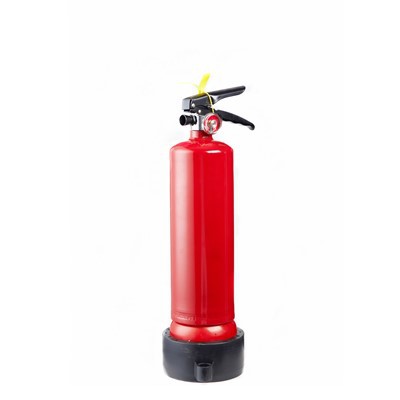
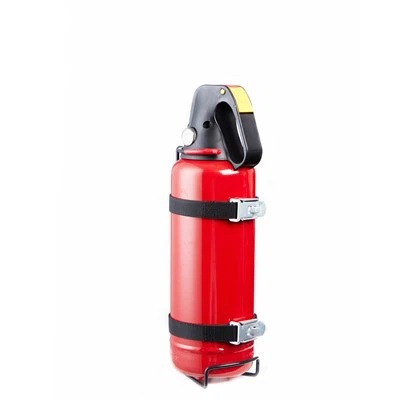
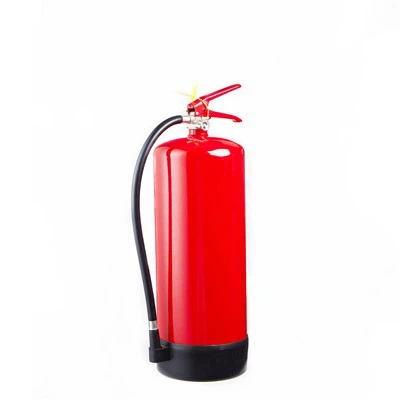
Different types of fire extinguishers have different inspection cycles due to differences in the nature of their extinguishing agents, structural characteristics, etc. Dry powder fire extinguishers, carbon dioxide fire extinguishers, etc., usually require a monthly appearance inspection and a comprehensive inspection every six months. However, due to the particularity of the fire extinguishing agent, water-based fire extinguishers must undergo a monthly appearance inspection, and the comprehensive inspection cycle is shortened to once every three months. The specific inspection cycle also requires reference to the manufacturer's instructions for the fire extinguisher and the relevant regulations of the local fire department.

1. Daily inspection content
Daily appearance inspection is the basis for ensuring that the fire extinguisher is in good condition. During the inspection, check whether the cylinder of the fire extinguisher has deformation, corrosion, bumps and other damage; whether the pressure gauge pointer is in the green normal area, if the pointer is in the red area, it means that the pressure is insufficient, and in the yellow area, the pressure may be too high; whether the nozzle is unobstructed and whether there is any blockage; whether the pressure handle, lead seal and other components are intact; whether the nameplate of the fire extinguisher is clear and whether it is within the validity period. Once any of the above problems are found, they must be dealt with in a timely manner, and fire extinguishers with hidden dangers cannot continue to "stand guard".
2. Regular and comprehensive inspection
Compared with daily appearance inspection, comprehensive inspection is more detailed and professional. Professionals will disassemble the fire extinguisher and inspect the internal parts. For example, dry powder fire extinguishers need to check whether the dry powder is agglomerated or deteriorated, and carbon dioxide fire extinguishers need to check whether the wall thickness of the bottle meets safety standards. At the same time, replaceable parts will be maintained or replaced, the fire extinguishing agent will be refilled and the sealing performance will be tested. Through comprehensive inspection, the hidden dangers inside the fire extinguisher can be thoroughly investigated to ensure that all performance indicators can meet the requirements when it is used.
3. Fire extinguishers in special places need to be inspected more frequently
Some special places, such as gas stations, chemical plants, large shopping malls, hospitals, etc., may have a relatively high frequency of use of fire extinguishers due to the high risk of fire, or the environment is relatively complex, and the performance requirements of fire extinguishers are more stringent. Therefore, the inspection cycle of fire extinguishers in these places needs to be shortened appropriately. In addition to inspections according to regular cycles, the number of inspections should be increased according to actual conditions to ensure that the fire extinguishers are in the best state of readiness at any time.
4. Implement inspection responsibilities and ensure that inspections are in place
Clearly defining inspection responsibilities is the key to ensuring that fire extinguisher inspections are implemented. Enterprises and units should designate a person to be responsible for fire extinguisher inspections, establish detailed inspection records, and record the time, inspectors, inspection results, and handling of each inspection. At the same time, professional training should be provided to inspectors so that they can master the correct inspection methods and judgment criteria to avoid inspections becoming a formality. Only when responsibilities are assigned to individuals can we ensure that every fire extinguisher is inspected in a timely and effective manner.