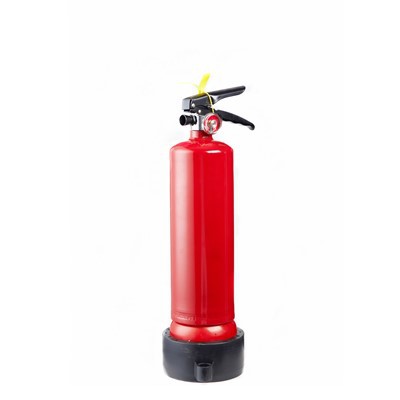
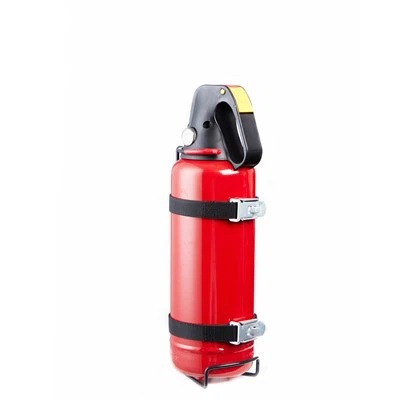
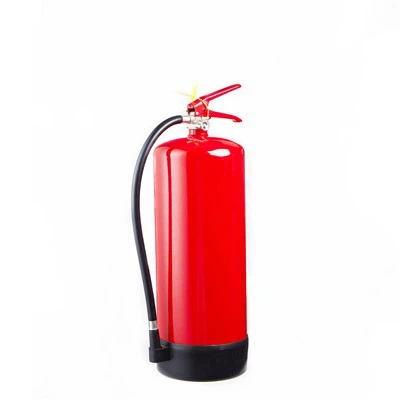
It is very important to master the correct use of fire extinguishers. You can follow the following standard procedures and precautions:

1. Be prepared before operation
Before using a fire extinguisher, you must first ensure your own safety. Quickly observe the fire scene, judge the size and spread of the fire, and confirm whether the type of fire extinguisher is suitable for the current type of fire. At the same time, check whether the fire extinguisher is within the validity period, whether the pressure gauge pointer is in the green normal area, and whether the nozzle is unobstructed. In addition, stand upwind of the fire and keep a proper distance from the fire point. Under normal circumstances, the effective spray distance of dry powder fire extinguishers and carbon dioxide fire extinguishers is about 2-5 meters to avoid being burned by flames due to being too close.
2. Remember "lift, pull, hold, and press"
The basic operation steps of a fire extinguisher can be summarized as the four-character formula of "lift, pull, hold, and press". "Lift" refers to the handle of the portable fire extinguisher, which is used to bring it to the fire scene smoothly and quickly; "pull" refers to pulling out the safety pin on the fire extinguisher, and be careful to apply force evenly to avoid the safety pin from breaking; "hold" refers to holding the nozzle of the fire extinguisher with one hand and aiming it at the root of the flame; "press" refers to pressing the handle with the other hand to spray the fire extinguishing agent. During the spraying process, keep the fire extinguisher upright, swing the nozzle left and right, cover the flame from near to far, from outside to inside, until the fire is extinguished.
3. There are subtle differences in operation for different types of fire extinguishers
Although "lift, pull, hold, press" are common operating steps, there are some subtle differences in the operation of different types of fire extinguishers. When using a carbon dioxide fire extinguisher, due to the extremely low temperature during spraying, in order to prevent frostbite, you need to hold the handle at the root of the horn instead of directly holding the horn; before spraying a dry powder fire extinguisher, you can shake the barrel appropriately to loosen the dry powder and enhance the fire extinguishing effect; when spraying a water-based fire extinguisher, be careful to avoid spraying the fire extinguishing agent directly onto live equipment to prevent electric shock.
4. Prevent re-ignition
After the fire is extinguished, you cannot leave the scene immediately. You must continue to observe the situation on the scene to prevent the flame from re-igniting. For some fires with a lot of flammable materials, after confirming that the fire is completely extinguished, you can turn the fire extinguisher upside down and spray a small amount of fire extinguishing agent to cool the scene. At the same time, the used fire extinguisher should be sent to a professional organization for refilling and maintenance in time to restore its fire extinguishing efficiency for the next use. In addition, the fire scene should be protected to facilitate subsequent investigations into the cause of the fire.