Understanding Why Powder Fire Extinguishers Are Used Across Different Industries
Fire protection requirements vary significantly between industrial workshops, warehouses, commercial buildings, vehicle maintenance facilities, electrical installations, and outdoor work areas. Each environment contains different combustible materials, ignition sources, and operational hazards. Selecting a suitable fire extinguisher therefore requires more than choosing a product based on its size or purchase price.
Powder fire extinguishers are commonly used in environments where fires may involve flammable liquids, combustible gases, or energized electrical equipment. Depending on the extinguishing agent, product classification, and applicable fire safety standards, certain dry powder extinguishers can also be used on fires involving combustible solids. Their versatility makes them a practical option for many commercial and industrial applications.
However, not every powder extinguisher is suitable for every fire risk. Differences in powder formulation, discharge capacity, operating pressure, fire rating, and cylinder size affect where a unit can be installed and how it performs during an emergency.
For distributors, fire protection contractors, equipment suppliers, and industrial purchasing teams, understanding these differences helps ensure that the selected products meet the intended application rather than simply satisfying a basic equipment requirement.


Identify the Main Fire Risks Before Selecting an Extinguisher
The first step is to identify the materials that could catch fire in the protected area. Fire classification systems differ between countries, so buyers should check the classifications recognized by their local regulations and the certification requirements of the intended market.
Fires Involving Ordinary Combustible Materials
Paper, cardboard, wood, textiles, and some other solid combustible materials can produce fires that continue smoldering after the visible flames have disappeared. These materials are frequently found in warehouses, packaging facilities, offices, workshops, and storage areas.
Some multipurpose dry chemical powder extinguishers are rated for these fires as well as flammable-liquid and flammable-gas fires. Their suitability depends on the specific agent, tested performance, and product labeling.
For environments containing large quantities of paper, timber, or packaging, water-based extinguishers may offer advantages in cooling and preventing re-ignition. Powder extinguishers should not automatically replace water-based equipment where sustained cooling is important.
Fires Involving Flammable Liquids
Petrol, diesel, solvents, paints, and certain industrial chemicals can create flammable-liquid hazards. These materials may be present in vehicle workshops, fuel storage areas, manufacturing plants, paint facilities, and maintenance departments.
Suitable dry chemical powder extinguishers can interrupt the chemical chain reaction that sustains a flame. They are often considered for locations where liquid fires may occur and rapid flame knockdown is required.
When selecting a unit for these environments, buyers should examine its tested fire rating, discharge duration, effective operating range, and suitability for the actual liquid hazards. A small extinguisher intended for incidental hazards should not be assumed to provide adequate protection for a substantial fuel storage area.
Fires Involving Flammable Gases
Flammable gases may be present in gas distribution facilities, welding areas, industrial production lines, and equipment maintenance zones. Dry powder extinguishers can be suitable for certain gas fires, but extinguishing the flame does not remove the underlying gas leak.
If the gas supply continues, an extinguished flame can leave an accumulating cloud of unburned gas that may ignite explosively. Gas isolation should therefore be carried out when it is safe and appropriate, and emergency procedures must address the source of the leak.
Powder extinguishers should be selected as part of a broader fire safety plan that includes gas detection, emergency shutoff systems, ventilation, and personnel training.
Fires Involving Electrical Equipment
Electrical cabinets, motors, distribution panels, generators, and control systems can introduce ignition risks into otherwise ordinary industrial environments.
Dry powder extinguishers are commonly available with labeling for use around energized electrical equipment under specified conditions. However, electrical suitability must be verified from the product markings and local standards rather than assumed from the words "powder extinguisher" alone.
Powder residue can contaminate contacts, circuit boards, switches, and sensitive electronic components. Although the flame may be extinguished quickly, the equipment can require extensive cleaning, inspection, and repair before it can return to service.
Where sensitive electronics are involved, a suitable clean-agent or other specialized extinguisher may be more appropriate.
Understand the Differences Between Powder Extinguisher Formulations
The extinguishing agent is one of the most important factors in product selection. Two extinguishers that look similar from the outside may have different fire ratings and application limitations.
ABC Dry Chemical Powder
ABC powder extinguishers commonly use monoammonium phosphate-based agents. Depending on the product certification, they may be suitable for fires involving ordinary combustible solids, flammable liquids, and flammable gases.
Their broad application range makes them common in commercial premises, warehouses, industrial workshops, vehicle-related facilities, and general-purpose fire protection installations.
Nevertheless, ABC powder can leave a residue that affects machinery, metal surfaces, and electrical equipment. In areas where contamination could interrupt production or damage expensive equipment, the cleanup consequences should be considered alongside the extinguisher's initial purchase cost.
BC Dry Chemical Powder
BC powder extinguishers are generally intended for flammable-liquid and flammable-gas fires. Depending on the agent, products may use sodium bicarbonate, potassium bicarbonate, or other approved formulations.
These products can be appropriate for selected industrial environments, fuel-related hazards, and applications where their certified fire ratings match the identified risks.
A BC extinguisher should not be selected as the only protection for ordinary combustible solid materials unless the specific product is separately rated for those hazards. Buyers should verify the product label and local fire classification requirements before placing an order.
Specialized Powder Agents
Some fire risks require specialized extinguishing agents. For example, combustible metals such as magnesium, sodium, and certain metal powders can react dangerously with unsuitable extinguishing materials.
These fires require an extinguisher specifically designed and approved for the metal involved. A general-purpose ABC or BC powder extinguisher must not be treated as an interchangeable substitute for a Class D metal-fire extinguisher.
The same principle applies to other specialized industrial hazards: the extinguishing agent must match the fuel and the expected fire behavior.
Choose the Appropriate Capacity for the Installation
Powder fire extinguishers are supplied in different capacities to suit different installation requirements. Smaller units are generally easier to carry and position, while larger units can provide greater agent capacity and discharge time.
The correct capacity depends on the hazard level, the area being protected, the expected fire size, the accessibility of the equipment, and the requirements of the applicable fire code.
Compact Powder Extinguishers
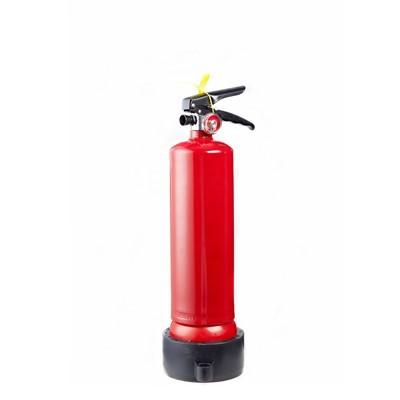
Compact units, including products with a nominal agent charge of 600 g, may be suitable for certain small-scale or specialized applications when their tested fire rating and local approval meet the installation requirements.
Their compact design can make them easier to store in confined locations or incorporate into equipment packages. However, a small agent charge generally limits the amount of extinguishing material available.
Purchasers should avoid selecting compact products solely because they are inexpensive or convenient to install. The product's certified performance must be appropriate for the actual fire risk.
1 kg Powder Extinguishers
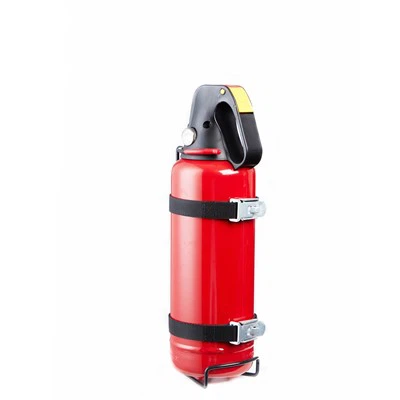
A 1 kg powder extinguisher provides a larger agent charge than a 600 g unit while remaining relatively portable. Depending on its design and certification, it may be suitable for selected vehicle, workshop, equipment, or supplementary fire protection applications.
The nominal charge alone does not establish the extinguisher's performance. Two products with the same powder mass can differ in discharge characteristics, operating pressure, fire rating, and compliance status.
For bulk procurement, buyers should compare the complete product specifications rather than treating agent weight as the only selection criterion.
Larger-Capacity Equipment
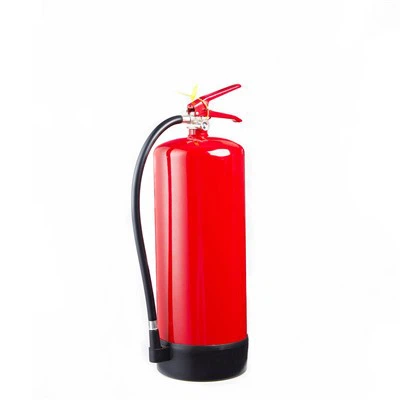
Higher-risk environments may require larger portable extinguishers, wheeled units, fixed suppression systems, or multiple forms of fire protection.
Fuel handling facilities, large warehouses, and industrial production areas should be assessed according to their actual hazards and applicable standards. Increasing extinguisher capacity does not automatically compensate for insufficient placement, inaccessible equipment, or inadequate emergency procedures.
For professional installations, a competent fire safety specialist should determine the required number, rating, and distribution of extinguishers.
Evaluate Fire Ratings Instead of Relying on Product Size
Fire ratings provide a more meaningful basis for comparing extinguishers than cylinder dimensions alone. The rating indicates performance under a defined test method, while the nominal agent charge describes how much extinguishing material the unit contains.
Depending on the market, buyers may encounter rating systems based on standards such as EN 3, applicable national standards, or NFPA-related requirements. These systems are not always directly interchangeable.
Before procurement, verify the following information:
| Specification | Why It Matters |
|---|---|
| Extinguishing agent | Establishes the type of fire the product is intended to address |
| Fire rating | Indicates tested performance under the relevant standard |
| Nominal agent charge | Identifies the amount of powder inside the cylinder |
| Operating pressure | Helps establish whether the unit meets its design requirements |
| Discharge time | Indicates how long the agent can be discharged under specified test conditions |
| Effective discharge range | Helps assess whether the product is practical for the intended installation |
| Operating temperature | Identifies the manufacturer's permitted temperature range |
| Certification | Confirms compliance with the relevant market's requirements |
| Maintenance provisions | Determines inspection, servicing, and replacement requirements |
Product comparisons should use equivalent test standards and clearly documented ratings. A larger cylinder should not automatically be considered superior to a smaller unit with a better-matched certified performance rating.
Match the Extinguisher to the Working Environment
Different working environments create different practical requirements. The best product is one that combines the appropriate fire rating with suitable handling characteristics, installation arrangements, and maintenance support.
Warehouses and Distribution Centers
Warehouses may contain cardboard cartons, wooden pallets, plastic packaging, electrical equipment, and powered material-handling vehicles. Fire protection planning should account for the combination of combustible stock, ignition sources, and storage arrangements.
Multipurpose ABC powder extinguishers may be useful at selected locations, particularly where flammable liquids or electrical hazards are also present. However, they should not be the only consideration when large quantities of ordinary combustibles are stored.
The installation should also account for travel distances, aisle accessibility, storage height, and the potential spread of fire through densely packed materials.
Automotive Workshops and Vehicle Maintenance
Vehicle maintenance areas may involve petrol, diesel, lubricants, solvents, batteries, electrical systems, and hot work. These mixed hazards make correct extinguisher selection especially important.
Suitable powder extinguishers can provide protection against certain liquid and electrical fire risks. Additional extinguishing equipment may be necessary for ordinary combustibles or other specialized hazards.
For workshop operators and fleet maintenance businesses, the selection process should consider the types of vehicles serviced, the chemicals stored, and the maintenance procedures performed.
Manufacturing Plants
Manufacturing facilities can contain machinery, control cabinets, packaging materials, combustible liquids, and high-temperature production equipment. Fire risks may also change when production lines are modified or new materials are introduced.
A practical approach is to identify the hazards in each operational zone rather than selecting a single extinguisher type for the entire facility. A powder unit may be suitable near certain mechanical or fuel-related hazards, while another type may be preferable near sensitive electronics or combustible materials requiring cooling.
Regular risk assessments help ensure that installed equipment continues to match actual production conditions.
Outdoor Work Areas and Mobile Equipment
Construction sites, agricultural operations, service vehicles, and outdoor maintenance teams may need extinguishers that are easy to carry and suitable for changing environmental conditions.
Buyers should consider mounting arrangements, vibration exposure, temperature limits, corrosion protection, and accessibility. The cylinder, valve, hose, nozzle, and pressure indicator must all be suitable for the intended service conditions.
Products used outdoors should be protected from physical damage and maintained according to the manufacturer's instructions.
Consider the Limitations of Dry Powder Extinguishers
Dry powder extinguishers provide useful fire suppression capabilities, but they also have limitations that should be understood before installation.
Residue and cleanup: Discharged powder can spread across machinery, floors, electrical equipment, and stored materials. Cleaning requirements may increase downtime following an incident.
Visibility: A large discharge can create a powder cloud that reduces visibility and makes movement difficult. Personnel must follow emergency evacuation procedures rather than relying on the extinguisher to make an unsafe area accessible.
Re-ignition risk: Powder can suppress flames without providing the sustained cooling required to prevent some materials from reigniting. Additional cooling or specialized response procedures may be necessary when safe and appropriate.
Environmental conditions: Moisture, corrosion, temperature extremes, and physical damage can affect extinguisher condition. Products must be installed and maintained within their specified operating limits.
User capability: Even an appropriately rated extinguisher is ineffective if it is inaccessible, incorrectly operated, or unsuitable for the developing fire.
Portable extinguishers are intended for incipient-stage fires when conditions permit safe intervention. Anyone who encounters a growing fire, heavy smoke, an uncontrolled gas leak, or an immediate threat to escape routes should raise the alarm, evacuate, and contact emergency services.
Check Certification, Manufacturing Quality, and Maintenance Support
For importers, distributors, and commercial buyers, product quality extends beyond the appearance of the cylinder. Pressure-containing equipment must be manufactured, tested, labeled, and maintained in accordance with the applicable requirements.
Before placing a bulk order, request documentation covering the extinguisher's model, agent type, nominal charge, fire rating, certification, operating limits, and maintenance instructions.
Where relevant, confirm that the cylinder and valve meet the required pressure-equipment specifications and that the complete extinguisher-not merely an individual component-has the required approval.
Manufacturing consistency is particularly important for distributors supplying multiple customers or markets. Consistent labeling, packaging, production records, and traceability help reduce the risk of specification mismatches across repeat orders.
Maintenance arrangements should also be considered at the purchasing stage. Buyers need to understand inspection intervals, service requirements, replacement components, refill procedures, and the availability of qualified service providers.
The specific inspection and servicing schedule should follow local regulations and the manufacturer's instructions. Extinguishers should not be opened, refilled, or pressure-tested by unqualified personnel.
Common Mistakes When Purchasing Powder Fire Extinguishers
Several purchasing mistakes can reduce the effectiveness of a fire protection installation.
Choosing by weight alone. A 1 kg extinguisher is not automatically suitable for every application requiring a portable unit. Its certified fire rating and the actual hazard must determine suitability.
Assuming all powder agents are equivalent. ABC, BC, and specialized metal-fire powders serve different purposes. Agent compatibility should be confirmed before procurement.
Ignoring local approval requirements. A product accepted in one country may not satisfy another market's certification, labeling, or installation rules.
Using a general-purpose extinguisher for specialized hazards. Combustible-metal fires and certain other unusual risks require specifically designed extinguishing agents.
Overlooking maintenance costs. Purchase price is only one part of the total cost. Servicing, replacement parts, inspections, logistics, and eventual replacement can influence the long-term value of a product.
Failing to reassess changing hazards. New machinery, different stored chemicals, higher stock levels, or revised production processes can alter fire protection requirements.
Avoiding these mistakes requires coordination between purchasing teams, installers, maintenance personnel, and the professionals responsible for fire safety compliance.
A Practical Checklist for Buyers and Distributors
Before finalizing a purchase, confirm that the proposed powder extinguisher meets the following requirements:
The identified fire hazards are clearly documented.
The extinguishing agent is suitable for those hazards.
The certified fire rating meets the applicable requirements.
The agent charge and overall design suit the intended installation.
The product has the necessary certification for the destination market.
Operating temperature and environmental limits match the installation conditions.
The cylinder, valve, hose, and other components meet the required specifications.
Labeling and operating instructions are available in the required language.
Inspection, servicing, and replacement arrangements are established.
The installation includes appropriate signage, access, and user training.
For distributors, a clear product specification sheet makes it easier to match different models to customer requirements. For project buyers, documenting the selection criteria helps reduce uncertainty during approval, delivery, installation, and inspection.
Conclusion
Choosing the right powder fire extinguisher requires a structured assessment of fire hazards, extinguishing agent compatibility, certified fire ratings, capacity, working conditions, and regulatory requirements.
Compact products such as 600 g and 1 kg powder extinguishers may suit selected low-scale applications, while larger or more specialized installations can require different equipment and a broader fire protection strategy. The correct choice depends on tested performance and the intended application, not simply on product size or price.
For fire safety equipment suppliers and industrial procurement teams, comparing agent formulations, certification, maintenance support, and environmental suitability helps establish a more consistent product selection process. Most importantly, every extinguisher should form part of a wider fire safety plan that includes hazard control, suitable installation, routine maintenance, emergency procedures, and personnel training.