What Is a Fire Hose Reel and How Does It Provide Water During a Fire Emergency?
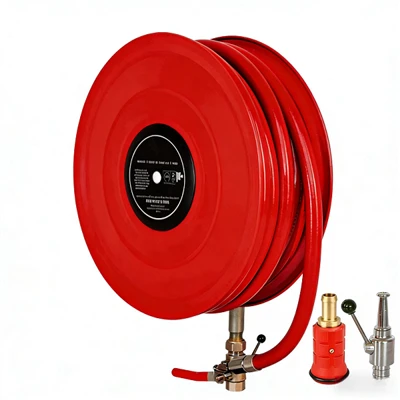
A fire hose reel is a permanently installed or movable firefighting device designed to provide a controlled water supply for initial fire response. Unlike portable extinguishers that contain limited extinguishing materials, a hose reel connects directly to a water source and allows continuous water delivery through a hose and nozzle system.
Understanding how fire hose reels work helps building owners, engineers and equipment suppliers select suitable configurations according to installation requirements, water supply conditions and maintenance plans.
A complete fire hose reel system consists of several mechanical and hydraulic components. The reel stores the hose, the valve controls water flow, and the nozzle directs the water stream toward the fire location.
Main Components of a Fire Hose Reel System
A fire hose reel is not a single component but a combination of multiple parts working together.
1. Reel Drum
The reel drum is the central part used for storing and releasing the hose. Its main functions include:
The drum usually consists of a rotating shaft, side plates and supporting structures. The design of these parts affects how easily the hose can be pulled out during operation. A suitable drum structure should maintain balance between storage capacity and rotation flexibility.
2. Hose Assembly
The hose is responsible for transferring water from the supply line to the nozzle. Common hose considerations include:
Different applications may require different hose specifications. For example, installation locations with limited operating space may require shorter hose lengths, while larger areas may need extended hose configurations.
3. Water Inlet and Valve System
The inlet connection links the reel with the water supply network. The valve system controls whether water enters the hose.
The water flow process is:
The sealing performance of valves and connectors directly affects whether leakage occurs during storage and operation.
4. Nozzle Assembly
The nozzle controls the final water output. Depending on the design, the nozzle can adjust:
A properly designed nozzle allows users to control water application more effectively.
How Does a Fire Hose Reel Work?
The operating principle of a fire hose reel is based on a simple water delivery process.
Opening the Valve
When a fire occurs, the user activates the valve to allow water to enter the system. The valve controls the connection between the water supply and the hose.
Pulling Out the Hose
The user extends the hose toward the fire location. As the hose moves outward, the reel drum rotates around its shaft.
Directing Water
After the hose is extended, water flows through the hose and reaches the nozzle. The user controls the direction of the water stream according to the fire situation.
Returning the Hose
After operation, the hose should be drained, checked and rewound correctly. Proper storage helps prevent twisting, deformation and premature wear.
Different Types of Fire Hose Reel Designs
Fire hose reels can be designed according to installation requirements.
Fixed Wall-Mounted Type
This design is installed at a permanent location and connected to the building water system. Features include:
It is commonly selected during building fire protection planning.
Cabinet Type
The reel is installed inside a protective cabinet. The cabinet provides:
Cabinet dimensions should match the reel size and installation space.
Mobile Fire Hose Reel Cart
A movable design places the reel system on a wheeled structure. Compared with fixed systems, this design allows transportation between different operating locations. Important structural components include:
The design needs to consider movement stability, hose storage capacity and operation convenience.
Manufacturing Process of Fire Hose Reels
The manufacturing process involves multiple production stages.
Material Preparation
Manufacturers select suitable materials according to product requirements. Common materials include:
Material selection depends on corrosion conditions, installation environment and product design.
Metal Fabrication
Metal parts are processed through:
These processes form the main structure of the equipment.
Assembly
During assembly, manufacturers install:
Assembly accuracy affects product operation and maintenance.
Testing
Before shipment, manufacturers usually conduct:
These inspections help confirm that the equipment meets technical requirements.
How to Maintain Fire Hose Reels?
Regular maintenance is necessary to keep equipment ready for operation.
Check Hose Condition
Inspect whether the hose has:
Inspect Valve Performance
The valve should be checked for:
Test Reel Operation
The reel should rotate smoothly without excessive resistance.
Maintenance records should include inspection dates and identified issues.
About Ningbo Xinhao Fire Fighting Equipment Co., Ltd.
Ningbo Xinhao Fire Fighting Equipment Co., Ltd. specializes in manufacturing fire protection equipment, including fire hose reels, valves and related components.
The company integrates product design, metal processing, assembly and inspection procedures.
Xinhao supports customized production according to customer requirements, including:
Through controlled manufacturing procedures, the company provides fire equipment solutions for distributors, engineering companies and project suppliers.
FAQ
1. What is the main purpose of a fire hose reel?
A fire hose reel provides a continuous water supply through a connected hose system for early fire response.
2. How often should fire hose reels be inspected?
Inspection frequency depends on local regulations and installation conditions. Regular checks should include hose condition, valves and connections.
3. What materials are used for fire hose reels?
Common materials include stainless steel, carbon steel and aluminum components depending on design requirements.
4. Can fire hose reels be customized?
Yes. Manufacturers can customize hose length, reel structure, connection methods and appearance according to customer specifications.
5. What causes fire hose reel failure?
Common causes include damaged hoses, leaking connections, valve problems or insufficient maintenance.
Contact Ningbo Xinhao Fire Fighting Equipment Co., Ltd.
Ningbo Xinhao provides customized fire equipment manufacturing services, including product development, production and inspection support.