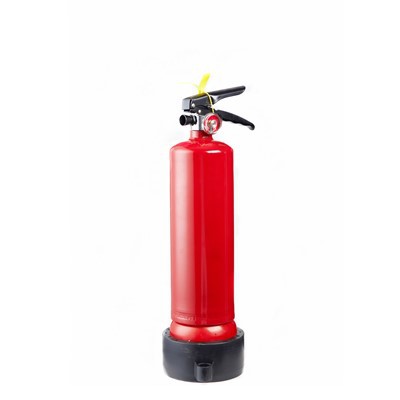
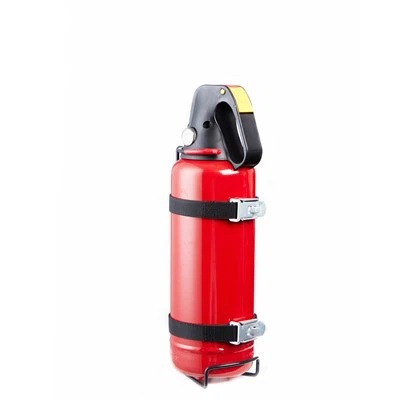
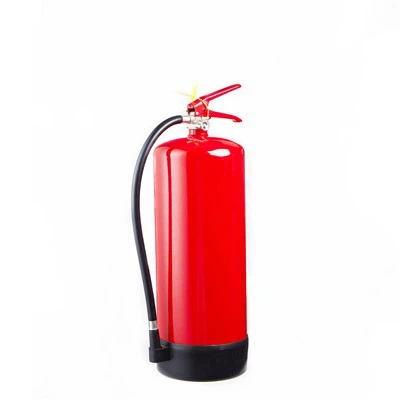
According to the principle of combustion, the principle of all fire extinguishing methods is to spray the extinguishing agent directly on the burning object or spray the extinguishing agent on the material near the fire source, so that it does not form a new fire point due to the heat radiation of the flame.
What are the conventional fire fighting methods?
cooling fire
The principle of this fire extinguishing method is to spray the extinguishing agent directly on the burning object to reduce the burning temperature below the ignition point. Cooling fire extinguishing method is a main method of fire extinguishing. Water and carbon dioxide are often used as fire extinguishing agents to cool down and extinguish fire. The fire extinguishing agent does not participate in the chemical reaction in the combustion process during the fire extinguishing process. This method belongs to the physical fire extinguishing method.
Isolation fire fighting method
Isolation and fire extinguishing method is to isolate or remove the burning material and the surrounding unburned combustible materials, interrupt the supply of combustible materials, and stop the combustion due to the lack of combustible materials. The specific methods are:
1. Remove flammable, flammable, explosive and combustion-supporting items near the fire source;
2. Close the valves of combustible gas and liquid pipelines to reduce and prevent combustible substances from entering the combustion area;
3. Try to stop the scattered flammable and combustible liquids;
4. Demolish the flammable buildings adjacent to the fire source to form a space zone to prevent the spread of fire.
suffocation
The suffocation fire extinguishing method is a fire extinguishing method that prevents air from flowing into the combustion area or dilutes the air with a non-combustible area or non-combustible material, so that the combustion material cannot get enough oxygen to extinguish it. The specific method is:
1. Cover burning objects with non-combustible or flame-retardant substances such as sand, cement, wet sacks, wet quilts;
2. Spray water mist, dry powder, foam and other fire extinguishing agents to cover the burning material;
3. Filling fire containers and equipment with water vapor or inert gas such as nitrogen and carbon dioxide;
4. Airtight fire buildings, equipment and holes;
5. Spray non-combustible gas or non-combustible liquid (such as carbon dioxide, nitrogen, carbon tetrachloride, etc.) into the combustion area or on the combustion.