Fire cabinets, as crucial facilities for ensuring public safety, typically store various fire-fighting equipment and tools that play a vital role in the event of a fire. A complete fire cabinet should contain a variety of fire-fighting equipment to address different fire situations and rescue needs. The following will detail the various tools that should be carried in a fire cabinet and their functions.
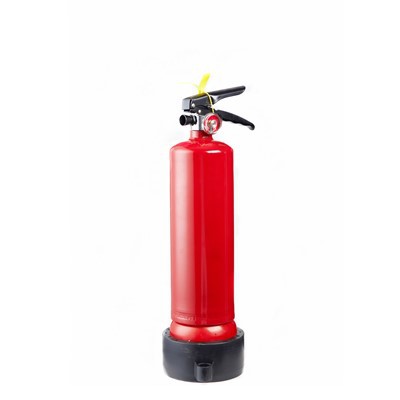
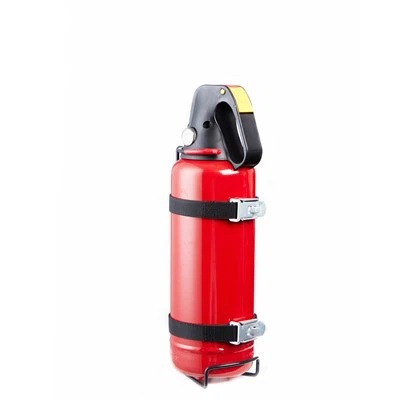
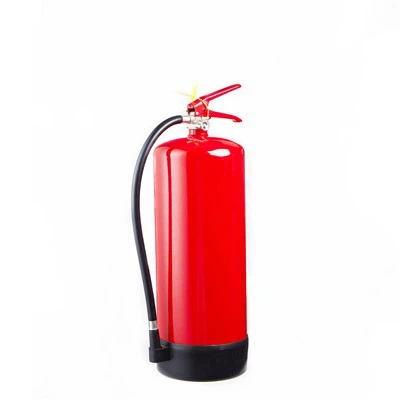
Fire Extinguishers
Fire extinguishers are one of the most common fire-fighting equipment in fire cabinets, used to extinguish initial fires. Depending on the extinguishing agent, fire extinguishers can be divided into dry powder fire extinguishers, foam fire extinguishers, carbon dioxide fire extinguishers, etc. When choosing a fire extinguisher, its extinguishing rating, applicable fire type, and location must be considered. For example, dry powder fire extinguishers are suitable for extinguishing initial fires involving solids, liquids, gases, and energized equipment, and are commonly used fire-fighting tools in homes, offices, and public areas.

II. Fire Hose and Fire Nozzle
Fire hoses and fire nozzles are essential auxiliary tools for firefighting. Fire hoses are generally made of rubber or synthetic materials, possessing high pressure resistance and abrasion resistance. Fire nozzles are used to spray water from the hose onto the fire source to extinguish it. At a fire scene, firefighters typically use fire hoses and fire nozzles to cool the fire area, extinguish flames, and prevent the fire from spreading.

III. Fire Axe
Fire axes are primarily used to break through obstacles such as doors, windows, and wooden planks, enabling firefighters to quickly enter the fire scene for rescue operations. Fire axes are typically made of steel, possessing high hardness and toughness, making them capable of easily handling various demolition tasks.
IV. Firefighting Gloves and Boots
Firefighting gloves and boots are essential equipment for firefighters to protect their hands and feet during fire rescue operations. Firefighting gloves are typically made of flame-retardant materials and have good heat insulation and fire resistance. Firefighting boots offer high levels of waterproofing, fire resistance, and puncture resistance, ensuring the safety of firefighters in the fire scene.
V. Fire Helmets and Suits
Fire helmets and suits are core protective equipment for firefighters during fire rescue operations. Fire helmets protect the firefighter's head from flames, falling objects, and other injuries, while also providing night vision and communication capabilities. Fire suits are made of flame-retardant materials and have excellent heat insulation and fire resistance, ensuring firefighters can conduct rescue operations for extended periods in a fire.
VI. Breathing Apparatus and Face Mask
Breathing apparatus and face masks are essential equipment for firefighters to protect their respiratory systems during fire rescue operations. Breathing apparatus typically uses a self-contained compressed air breathing apparatus or a chemical oxygen self-rescue device, providing firefighters with sufficient oxygen while filtering out toxic gases and smoke from the air. Face masks are used in conjunction with breathing apparatus to ensure the apparatus's seal and safety.
VII. Multifunctional Rescue Tools
Multifunctional rescue tools are rescue equipment that integrates multiple functions, including cutting, demolition, expansion, and shearing. During fire rescues, firefighters may encounter various obstacles and difficult situations. Multifunctional rescue tools can help firefighters quickly resolve these problems and improve rescue efficiency.
VIII. Lighting Fixtures and Communication Equipment
Lighting fixtures and communication equipment are auxiliary tools in fire rescue. Lighting fixtures provide firefighters with sufficient illumination to help them see their surroundings and locate trapped individuals in a fire. Communication equipment ensures unimpeded communication between firefighters and between firefighters and the command center, enabling the timely transmission of fire scene information and rescue instructions.
IX. Other Auxiliary Tools
In addition to the fire-fighting equipment listed above, the fire cabinet should also contain other auxiliary tools, such as emergency lighting, emergency whistles, and safety ropes. These tools also play a crucial role in fire rescue, helping firefighters respond to various emergencies and rescue needs.
A complete fire cabinet should contain a variety of fire-fighting equipment and tools to ensure rapid and effective rescue operations in the event of a fire. Furthermore, the maintenance and upkeep of the fire-fighting equipment are essential; only by ensuring that this equipment can be used normally in critical moments can the safety of people's lives and property be maximized.