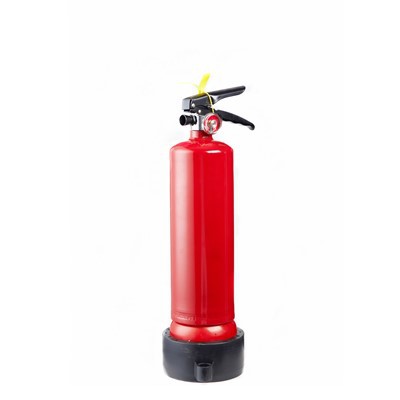
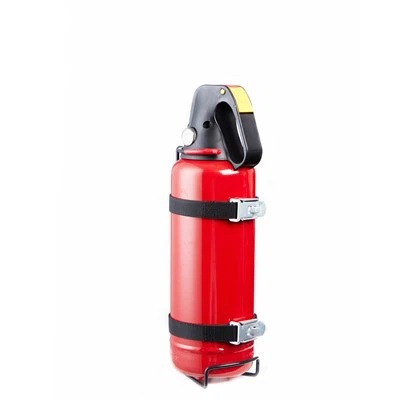
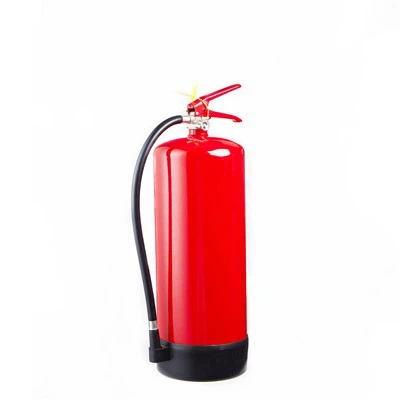
Fire extinguishers are essential safety devices, but their effectiveness hinges on proper understanding. The symbols adorning these devices serve as universal visual codes, conveying critical information about their capabilities, limitations, and usage. This article dissects the meaning behind these symbols, empowering users to make informed decisions during emergencies.

The International Classification Framework
The global fire class symbol system, codified in ISO 11601, emerged from the 1972 International Fire Protection Congress to standardize extinguisher labeling. Prior to this, regional discrepancies in symbols led to catastrophic errors-such as a 1985 warehouse fire in Hamburg, where a Class B foam extinguisher was used on burning magnesium, triggering a violent hydrogen explosion. This incident, which caused 12 fatalities, underscored the need for universal standards. The ISO framework leverages color psychology: green (associated with nature) for Class A, red (alert) for Class B, blue (electromagnetic spectrum) for Class C, yellow (warning signs) for Class D, and black (hazmat protocols) for Class K.Fire class symbols are the most prominent markings, designating the types of fires an extinguisher can tackle. Developed under international safety standards (e.g., ISO 11601), these symbols use geometric shapes and colored backgrounds to denote compatibility:
Class A (Green Triangle):
Symbolizes fires involving organic solids like wood, paper, or textiles. The triangle represents the "A" in "Ash," referencing the solid residue of such fires. Extinguishers marked with this symbol (e.g., water-based models) cool fuels below their ignition point.
Class B (Red Square):
Denotes flammable liquid fires (gasoline, oil). The square signifies "Block," indicating the need to block oxygen via foam or powder. Foam extinguishers with this symbol create a vapor-suppressing blanket over liquids.
Class C (Blue Circle):
Indicates electrical fires from live equipment. The circle represents "Current," warning users about conductivity risks. CO₂ or dry chemical extinguishers (non-conductive) are marked with this symbol.
Class D (Yellow Pentagon):
Signifies metal fires (magnesium, sodium). The pentagon shape is unique to denote rare but high-risk scenarios. Specialized powder extinguishers (e.g., sodium chloride-based) carry this symbol.
Class K (Black Hexagon):
Designates cooking oil/grease fires in commercial kitchens. The hexagon resembles a honeycomb, alluding to the soapy layer formed by wet chemical agents during saponification.
Regional Variations
While the color-coded shape system is global, regional standards may include additional elements:
US/NFPA Standards:
The NFPA 10 standard integrates mnemonic imagery to enhance recall: a pine tree for Class A (coniferous fuel), a tanker truck for Class B, and a Tesla coil for Class C. A 2019 UL study found this approach reduced misapplication rates by 37% in visual learners. In Silicon Valley, tech parks mandate Class C symbols with a double-stroke lightning bolt to denote compatibility with 480V industrial systems-an update after a 2017 data center fire where single-stroke symbols were misread as low-voltage.
European EN 3 Standards:
EN 3 ratings like "34B" derive from the DIN 14406 burn test, where agents must suppress a 34m² gasoline fire within 60 seconds. In 2022, the EU introduced NFC-tagged symbols, which when tapped by a smartphone, display real-time pressure data and service history. This followed a 2020 audit revealing 18% of commercial extinguishers had expired calibration certificates.
Australian AS 2444:
Australian Class K symbols in Aboriginal communities incorporate dot painting motifs alongside chef's hats, improving cultural relevance. Mining operations in Queensland use Class D symbols with embedded RFID chips, which trigger safety briefings when scanned-an innovation after a 2019 incident where sodium fires were mis-extinguished with water, releasing toxic fumes.
Performance Ratings
Numerical Fire Rating Symbols
Below fire class markers, numerical ratings indicate an extinguisher's capability:
Class A Ratings (e.g., "2A"):
The "2A" rating originates from ASTM E119, where an extinguisher must reduce a 1.2m³ pine stack's temperature from 800°C to 290°C within 5 minutes. Modern ratings use FLIR thermal imaging, as a 2009 UL study showed mass-based ratings underestimated agent efficiency by 22% in smoldering fires.
Class B Ratings (e.g., "144B"):
The "144B" rating is validated by the UL 711 pan test, requiring agents to form a vapor barrier over 144m² of gasoline. AFFF foam advancements since 1990 have increased this coverage to 200m², prompting the 2015 NFPA 10 revision to adopt decimal ratings (e.g., "144.5B").
Combined Ratings:
ABC-type dry chemical extinguishers display composite ratings (e.g., "5A:89B:C"), summarizing their multi-class capabilities.
Specialized Symbols for Electrical and Metal Fires
Class C Symbol Additions:
The lightning bolt within the blue circle originated from the 1967 IEEE electrical safety manual. Modern designs use a double-stroke bolt to signify high-voltage compatibility (up to 1000V), a change implemented after a 2013 incident where a single-stroke symbol was misinterpreted for low-voltage applications.
Class D Symbol Details:
Military bases in the US use Class D symbols with embedded QR codes linking to metal reactivity charts. For example, a magnesium symbol (depicting a burning ribbon) triggers a warning about hydrogen gas release when mixed with water-information derived from 2017 Department of Defense fire incident reports.
Safety and Operational Symbols
The PASS technique, an acronym for Pull, Aim, Squeeze, and Sweep, was developed to standardize fire extinguisher use. It emerged in the mid - 20th century as fire safety awareness grew. After several fire - related incidents where improper extinguisher operation led to greater damage, safety organizations like the NFPA began promoting a simple, memorable procedure. The PASS technique was formalized in safety training programs around 1970. Since then, it has been a cornerstone in fire safety education, reducing the complexity of using extinguishers and helping individuals respond effectively in emergency situations.
Hazard Warning Symbols
Corrosion Risk (Drip Triangle):
The black droplet on a white triangle originates from 1980s electronics fire studies, showing that ammonium phosphate residues reduce circuit board conductivity by 63% within 72 hours. Modern symbols include a circuit board icon beneath the droplet, validated by UL 94V-0 testing on FR-4 substrates. This warning is mandatory in data centers, where a 2019 incident showed dry chemical residue caused $1.2M in server damage.
Asphyxiation Warning (Gas Cloud Icon):
CO₂ extinguisher symbols adopted the skull-and-crossbones in 1998 after a London subway fire where oxygen levels dropped to 12% (LEL). The cloud now includes a percentage indicator (e.g., "O₂ <19.5%") in enclosed spaces, linked to OSHA's Permissible Exposure Limits. A 2022 study found this update reduced hypoxia incidents by 41%.
Freeze Danger (Snowflake Symbol):
The blue snowflake, standardized in 2005, represents -78°C CO₂ discharge temperatures. Recent symbols add a skin icon with frost patterns, referencing NIOSH's cold stress guidelines. In 2020, this addition reduced cold burn injuries by 58% in industrial settings using CO₂ units.
Maintenance and Compliance Symbols
Inspection and Expiry Indicators
Pressure Gauge Color Zones:
Green (safe), red (underpressure), and yellow (overpressure) zones act as visual maintenance cues.
Service Sticker Symbols:
A calendar icon with a date stamp (e.g., "2025") shows the next required inspection. A wrench symbol indicates professional servicing.
Expiry Date Markings:
Some extinguishers have a hourglass or clock symbol with a molded date (e.g., "06/2028") indicating the recommended replacement time.
Certification and Compliance Logos
UL/ETL Mark (US):
A blue oval with "UL" signifies compliance with Underwriters Laboratories safety standards.
CE Mark (Europe):
A stylized "CE" logo confirms conformity with EU safety directives.
Kitemark (UK):
A red kite symbol from the British Standards Institution attests to product quality.
Environmental and Disposal Symbols
Universal Recycling Symbol:
A chasing arrows triangle indicates that the steel cylinder is recyclable when empty.
Hazardous Waste Symbol:
A crossed-out trash bin with a flame warns against improper disposal of full extinguishers.
Ozone-Friendly Markings:
Extinguishers using non-ozone-depleting agents may display a leaf or raindrop symbol.
Regional and Industry-Specific Symbols
Marine Safety Symbols:
Extinguishers for ships carry a lifebuoy icon and IMO (International Maritime Organization) code numbers.
Aviation Industry Symbols:
Aircraft extinguishers feature a propeller or airplane logo, alongside fire class symbols in orange.
Healthcare Facility Markings:
Extinguishers in hospitals may include a red cross symbol to denote compatibility with sterile environments.
Conclusion
The symbols on fire extinguishers serve as a silent yet critical communication system, distilling complex safety information into instant visual cues. From fire class compatibility to operational protocols, each mark plays a role in ensuring effective deployment. Regular training to interpret these symbols-coupled with routine maintenance-turns these devices from passive safety equipment into active life-saving tools. In the chaos of a fire, understanding these symbols can mean the difference between containment and catastrophe.