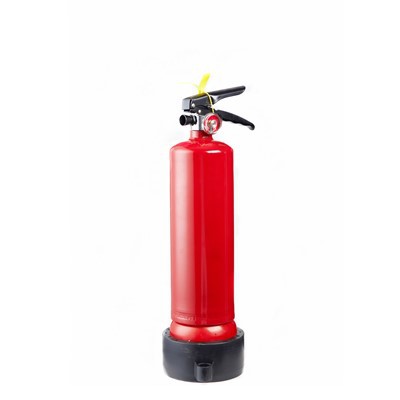
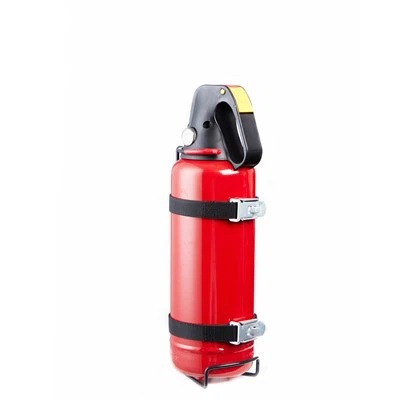
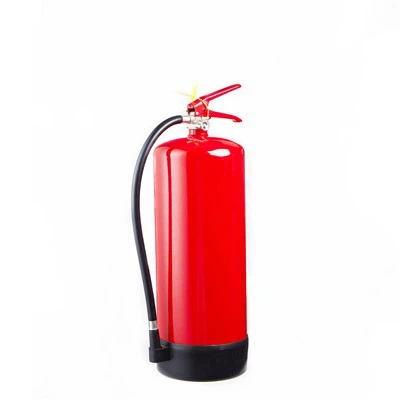
Fire extinguishers are an essential part of any fire safety plan, whether in a residential, commercial, or industrial setting. They serve as the first line of defense against small to medium-sized fires, allowing individuals to take immediate action and prevent a minor incident from escalating into a catastrophic event. However, a common question that often arises is, "Do fire extinguishers expire?" The answer is not as straightforward as one might think, as it depends on several factors, including the type of extinguisher, its maintenance history, and the storage conditions. Understanding these aspects is crucial for ensuring that fire extinguishers are always in a state of readiness to perform their life-saving function.

Fire Extinguisher Types & Expirations
Water-based Fire Extinguishers
Water-based fire extinguishers are designed primarily for Class A fires, which involve ordinary combustibles such as wood, paper, and textiles. These extinguishers work by cooling the fire, reducing the temperature below the ignition point of the fuel. The typical expiration timeline for water-based fire extinguishers is around 6 years. After this period, the water inside the extinguisher may become contaminated, and the internal components may start to corrode. Additionally, the pressure within the cylinder may decrease, affecting the effectiveness of the spray.
Dry Chemical Fire Extinguishers
Dry chemical extinguishers are highly versatile, capable of handling Class A, B, and C fires. Class B fires involve flammable liquids like gasoline and oil, while Class C fires are electrical fires. These extinguishers work by smothering the fire and interrupting the chemical reaction that sustains it. The expiration date for dry chemical fire extinguishers is generally 10 years. Over time, the dry chemical powder can settle and cake at the bottom of the cylinder, reducing its ability to be expelled evenly. If the powder has caked, it may not be able to cover the fire effectively, rendering the extinguisher less efficient.
Carbon Dioxide (CO₂) Fire Extinguishers
CO₂ fire extinguishers are ideal for Class B and C fires. They extinguish the fire by displacing oxygen, smothering the flames. CO₂ extinguishers typically have a longer lifespan, with an expiration date of around 12 years. However, they are not immune to wear and tear. The valves and seals of CO₂ extinguishers can deteriorate over time, leading to gas leakage. If there is a significant leak, the extinguisher may not have enough pressure to expel the CO₂ effectively when needed.
Foam Fire Extinguishers
Foam fire extinguishers are suitable for Class A and B fires. They create a foam blanket that covers the fuel, cutting off the oxygen supply and cooling the fire. The expiration of foam fire extinguishers varies, but it is often around 8 - 10 years. The foam concentrate can degrade over time, especially if exposed to extreme temperatures or humidity. If the foam has lost its integrity, it may not form a proper blanket over the fire, reducing the extinguisher's effectiveness.
Wet Chemical Fire Extinguishers
Wet chemical fire extinguishers are specialized for Class K fires, which occur in cooking appliances involving combustible cooking media like oils and fats. They work by reacting with the hot oil to form a soapy layer that smothers the fire and cools the fuel. The typical expiration for wet chemical fire extinguishers is around 6 years. Similar to water-based extinguishers, the chemicals in wet chemical extinguishers can become less effective over time, and the cylinder may experience corrosion issues.
Factors Impacting Fire Extinguisher Expiry
Manufacturing Quality
The quality of the materials used in the construction of the fire extinguisher plays a significant role in its lifespan. High-quality cylinders are more resistant to corrosion and wear. For example, a fire extinguisher made from a thick, corrosion-resistant alloy will have a longer lifespan compared to one made from a thinner, more susceptible material. Brands that adhere to strict manufacturing standards and use top-notch components are likely to produce extinguishers that can last closer to or even exceed the standard expiration timelines.
Storage Conditions
The environment in which a fire extinguisher is stored can either extend or shorten its lifespan. Extreme temperatures, both hot and cold, can have a detrimental effect. In hot environments, the pressure inside the extinguisher can increase, causing the seals to wear out faster. In cold environments, the chemicals or water inside may freeze, expanding and potentially damaging the cylinder. Humidity is another factor. High humidity levels can lead to rust and corrosion, especially in metal parts. For instance, a fire extinguisher stored in a damp basement is more likely to experience rusting of the cylinder and nozzle than one stored in a dry, climate-controlled area.
Maintenance and Service History
Regular maintenance is key to ensuring that a fire extinguisher remains effective. This includes annual inspections by a qualified professional, who will check for signs of damage, corrosion, and proper pressure levels. For some types of extinguishers, like water, foam, and powder extinguishers, a comprehensive service and refill every 5 years are recommended. CO₂ extinguishers typically need this service every 10 years. If a fire extinguisher has been used, even partially, it should be refilled and serviced as soon as possible. A well-maintained fire extinguisher can often last longer than one that has been neglected.
Frequency of Use
If a fire extinguisher is used frequently, it will naturally have a shorter lifespan. Each time it is discharged, the internal components experience wear and tear. The pressure mechanisms, valves, and hoses are all subject to stress during use. For example, in a commercial kitchen where a wet chemical fire extinguisher may be used more often due to the higher risk of Class K fires, the extinguisher may need to be replaced more frequently compared to one in a residential setting that may never be used.
Signs of Expired Fire Extinguishers
Pressure Gauge Readings
Most fire extinguishers, except for CO₂ extinguishers which have a different pressure indicator system, are equipped with a pressure gauge. The gauge is divided into different color-coded sections. A green zone indicates that the extinguisher is at the proper pressure and is ready for use. If the needle is in the red zone, it means the pressure is too low, and the extinguisher may not be able to expel the extinguishing agent effectively. On the other hand, if the needle is in the yellow zone, the pressure is too high, which can also be a sign of a problem, such as overheating or a malfunctioning pressure relief valve.
Physical Damage
Visible signs of physical damage are a clear indication that a fire extinguisher may not be reliable. This can include dents, rust, or cracks on the cylinder. A dented cylinder may have weakened walls, which could lead to a rupture when the extinguisher is pressurized. Rust can eat away at the metal, causing leaks or blockages in the nozzle. Cracks in the cylinder or any of the plastic components, such as the handle or nozzle, can also compromise the integrity of the extinguisher.
Seal and Locking Mechanism Issues
The safety pin and the seal on a fire extinguisher are important components. If the safety pin has been removed or is missing, it's possible that the extinguisher has been tampered with. A broken or missing seal can cause the pressurized gas to escape, reducing the effectiveness of the extinguisher. Additionally, if the handle feels loose or damaged, it may not be possible to operate the extinguisher properly.
Expired Inspection Tags
Fire extinguishers are required to have inspection tags that show the date of the last inspection. If the tag indicates that the inspection is overdue by a significant amount of time, it's a sign that the extinguisher may not have been properly maintained. An expired inspection tag could mean that potential issues with the extinguisher have not been detected and addressed.
Risks of Using Expired Fire Extinguishers
Ineffective Fire Suppression
The most obvious consequence of using an expired fire extinguisher is that it may not be able to put out the fire effectively. The extinguishing agent may have lost its potency, or the pressure may be too low to expel it with enough force. In a small fire, an ineffective extinguisher could allow the fire to grow and spread, causing more damage to property and increasing the risk to life. For example, if a small kitchen fire cannot be extinguished due to an expired extinguisher, it could quickly spread to the rest of the house, resulting in significant destruction.
Safety Risks
Expired fire extinguishers can pose safety risks. In some cases, the cylinder may have become weakened due to corrosion or other factors. When the extinguisher is activated, there is a risk that the cylinder could rupture, causing an explosion. This explosion could not only cause physical harm to the person using the extinguisher but also spread the fire or cause additional damage to the surrounding area.
Conclusion
Fire extinguishers do expire, and understanding the expiration timelines, factors affecting their lifespan, and signs of expiration is crucial for maintaining fire safety. Regular maintenance, proper storage, and timely replacement are essential steps in ensuring that fire extinguishers are always ready to perform their vital function. By taking these precautions, individuals and organizations can significantly reduce the risks associated with fires and protect lives and property. Remember, in the event of a fire, a reliable fire extinguisher can make all the difference between a minor incident and a major disaster.