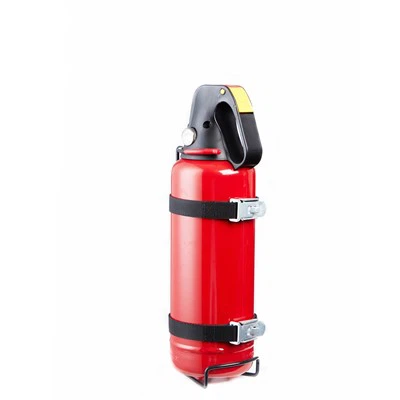
The molecular weight of carbon dioxide is 44, and the molecular weight of air is 29, so carbon dioxide will flow downward in the air. For confined spaces, carbon dioxide can accumulate like water, and once the fire source is diffused, the flame will be extinguished quickly.
However! However! However! Once in an open area or a place with a large space, carbon dioxide can easily flow like water, but it does not have the ability to infiltrate water. So it is easy to spread to the surroundings, and it cannot accumulate enough to cover the fire source, so it will not be able to extinguish the fire.
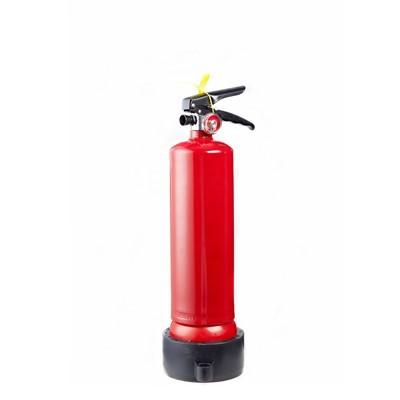
In addition, carbon dioxide is also expensive, and the temperature of minus 30 degrees can easily frostbite people (including the metal parts of fire extinguishers), so its use is limited. The dry powder is cheaper and less harmful to people. The ABC dry powder using phosphate is also easy to adhere to the surface of the object to isolate the air.
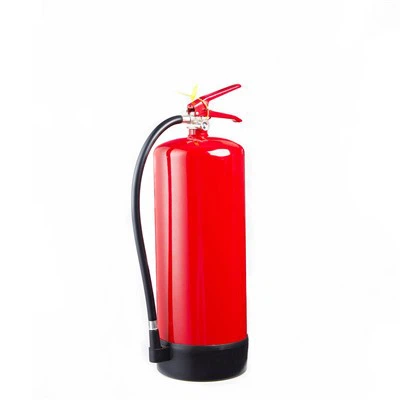
Foam fire extinguishers are widely used in petrochemical facilities, mainly because they are cheap. A little solid agent mixed with water can generate a lot of bubbles (even foam 200 times its own volume), covering a large area or spraying for a long time. It is enough to store the fire extinguishing agent in a jar at ordinary times, and when it is used, open the water inlet pipe and mix it into a liquid medicine and send it out.
Once the oil tank with several floors or even more than ten floors is on fire, the fire extinguishing agent can be pressurized and sent to the top of the tank to be filled with pressure. The foam liquid will fill all the pores and form a foam protection layer nearly 1 meter thick, which not only cools down but also isolates oxygen. Dry powder fire extinguishing agent is very difficult to do.
The biggest advantage of carbon dioxide is that it has few side effects and leaves no trace after volatilization. The consequences of being sprayed with water or powder in the library and server room will be disastrous, and it is also a confined space, which is very suitable for carbon dioxide to play.
The biggest advantage of dry powder is that it has no obvious shortcomings, is cheap, has relatively few side effects, has a wide range of uses, and has good comprehensive performance. Therefore, dry powder is the most commonly seen in life. ABC type dry powder is mainly composed of hydrogen phosphate and has a wide range of uses; BC type dry powder is mainly composed of bicarbonate and is not suitable for Class A fires.
The advantage of foam is that the liquid is easy to transport, it can be sprayed far and high, and it can also be sent to a very high place before spraying; the amount of water mixed is sufficient. So fire trucks and factories love to use it.