Understanding the Role of CO2 Fire Extinguishers in Industrial Fire Protection
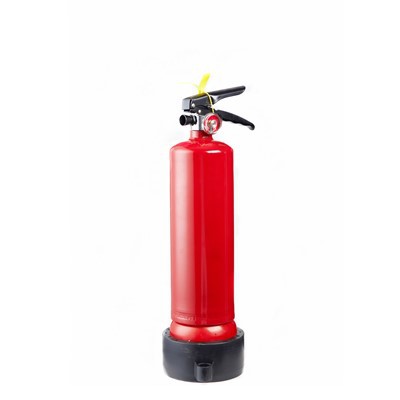
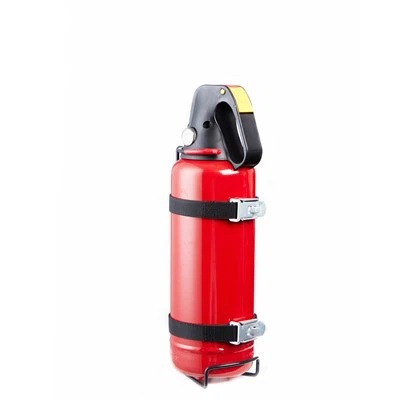
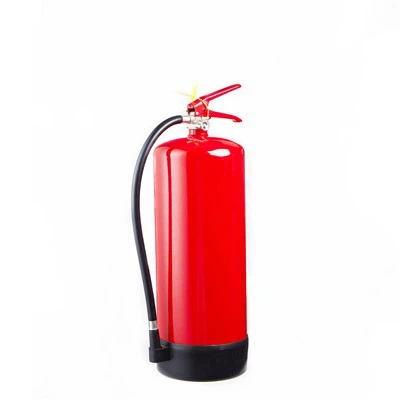
Carbon dioxide (CO2) fire extinguishers are pressure vessels designed to discharge liquefied carbon dioxide through a discharge horn to suppress Class B and electrical fires. Unlike dry powder extinguishers that leave chemical residue, CO2 extinguishers release gas that displaces oxygen around the fire source and absorbs heat during expansion.
CO2 fire extinguisher consists of a steel cylinder, brass valve, siphon tube, discharge horn, safety device, and liquefied CO2 agent. The cylinder stores high-pressure CO2 and must pass hydrostatic testing.
It is used in electrical rooms, server centers, telecom cabinets, laboratories, and industrial control systems where residue-free suppression is required.
When sourcing from China, buyers evaluate cylinder production, pressure testing, and certification compliance rather than price alone.

What Buyers Should Evaluate Before Choosing a CO2 Fire Extinguisher Manufacturer
Before selecting a supplier, procurement teams typically evaluate the manufacturing process behind the extinguisher rather than focusing solely on catalog specifications.
Cylinder Manufacturing Process
The cylinder serves as the pressure-containing component. Manufacturers may use cold-drawn seamless steel tubing or welded steel construction depending on target standards and market requirements. Key inspection points include:
- Cylinder wall thickness
- Weld integrity
- Neck threading accuracy
- Hydrostatic pressure testing
A cylinder operating under internal pressure must resist deformation during filling, transportation, and storage.
Valve Assembly Construction
The valve controls gas discharge and cylinder sealing. Buyers often review:
- Brass valve material grade
- Stem sealing structure
- Safety relief device configuration
- Thread compatibility
A valve must maintain sealing performance during long-term storage while allowing immediate gas release when activated.
Filling and Leakage Testing
After assembly, manufacturers fill the cylinder with liquefied carbon dioxide and perform leakage verification. Testing procedures commonly include:
- Weight verification
- Pressure retention testing
- Valve leakage inspection
- Water bath leak detection
These inspections help identify sealing failures before shipment.
Export Certification Capability
Different markets require different certifications. Examples include:
- CE certification
- EN3 compliance
- PED requirements
- ISO quality management systems
Procurement teams supplying government projects or commercial facilities often require supporting certification documents before purchase approval.
Top 5 CO2 Fire Extinguisher Manufacturers in China
The following manufacturers are recognized in different export markets for producing CO2 fire extinguishers and related fire protection equipment.
(The rankings are in no particular order.)
Ningbo Xinhao Fire Fighting Equipment Co., Ltd.

Ningbo Xinhao Fire Fighting Equipment Co., Ltd. manufactures portable fire extinguishers, extinguisher cylinders, valves, cabinets, and fire protection accessories for international distributors and project contractors. Its CO2 extinguisher range commonly includes 2kg, 3kg, 5kg, and 7kg CO2 Fire Extinguishers.
The extinguisher structure consists of a steel pressure cylinder, brass valve assembly, siphon tube, safety device, discharge horn, and carbon dioxide filling agent. From a manufacturing perspective, several factors are particularly relevant to procurement teams:
Pressure Vessel Fabrication
Cylinder production requires forming, welding, threading, and pressure testing operations. The cylinder must contain liquefied carbon dioxide under pressure while resisting impact. Hydrostatic testing verifies cylinder integrity before final assembly.
Component Traceability
Each production batch can be tracked through raw material procurement, cylinder fabrication, assembly, filling, and final inspection. This process helps distributors identify production records during post-delivery quality audits.
OEM and Private Label Production
Ningbo Xinhao supports extensive branding personalization including custom labels, multilingual instructions, carton design, packaging customization, and market-specific markings to reduce secondary packaging work after import.
Application-Oriented Supply
The company supplies products used in commercial buildings, electrical equipment rooms, manufacturing plants, telecommunications facilities, and data centers where CO2 suppresses fire without contaminating sensitive electronic equipment.
Zhejiang Safeway Fire Fighting Equipment Co., Ltd.
Safeway manufactures portable extinguishers and pressure vessels for international markets. Its CO2 extinguisher products typically incorporate steel cylinders and brass valve assemblies designed for export certification requirements. Production includes cylinder forming, pressure testing, and filling operations. The company supplies distributors requiring standard portable extinguisher configurations.
Taizhou Lion King Fire Fighting Equipment Co., Ltd.
Lion King produces fire extinguishers and firefighting accessories for industrial and commercial applications. Its CO2 extinguisher range covers multiple capacities used in electrical protection scenarios. Manufacturing processes include cylinder inspection, valve installation, and extinguishing agent filling. The company also provides fire hose reels and cabinet systems.
Wenzhou Jiade Fire Protection Technology Co., Ltd.
Jiade focuses on extinguisher production and fire safety equipment. Its CO2 extinguishers are commonly supplied to contractors and fire protection distributors requiring portable suppression devices for electrical fire risks. Manufacturing activities include pressure vessel fabrication and leak testing.
Guangdong Minshan Fire Equipment Co., Ltd.
Minshan manufactures extinguishers, suppression systems, and related fire protection products. Its CO2 extinguisher production involves steel cylinder processing, filling operations, and final pressure verification before shipment. The company supplies both domestic and export projects.
Why More Buyers Are Purchasing Directly From Fire Extinguisher Manufacturers
Many procurement teams previously relied on trading companies to source fire extinguishers. However, direct factory sourcing changes several aspects of project execution.
Shorter Technical Communication Paths
When discussing cylinder dimensions, valve specifications, packaging requirements, or certification details, engineers can communicate directly with production personnel, reducing interpretation errors.
Better Production Visibility
Factory-direct sourcing allows buyers to review production schedules, inspection procedures, sample approvals, and packaging processes. This visibility becomes important when coordinating project deadlines.
More Flexible OEM Development
Private-label fire extinguisher projects often require modifications to labels, cartons, manuals, and markings. Direct communication with the manufacturer allows these changes to be integrated into production smoothly.
How CO2 Fire Extinguisher Pricing Is Usually Determined
Procurement teams frequently request pricing before defining all specifications. However, several technical variables directly influence quotation levels:
- Cylinder Capacity: Larger cylinders require additional steel material and carbon dioxide filling volume (Typical capacities include 2kg, 3kg, 5kg, 7kg).
- Certification Requirements: Products requiring third-party certification testing may involve additional compliance costs.
- Valve Configuration: Different valve designs, safety devices, and connection standards affect component costs.
- Packaging Method: Export packaging options include standard cartons, palletized loads, or customized retail packaging.
- Order Quantity: Production efficiency and packaging utilization typically change as order volume increases.
How to Maintain a CO2 Fire Extinguisher After Installation
Once installed, a CO2 extinguisher should be inspected according to local fire safety regulations. Routine inspections typically include:
- Checking cylinder condition
- Verifying valve sealing
- Confirming extinguisher weight
- Inspecting discharge horn integrity
- Reviewing maintenance records
If weight loss exceeds acceptable limits or physical damage is observed, the extinguisher should be removed from service for inspection or replacement. Hydrostatic testing may also be required at specified intervals depending on local regulations.
Request a CO2 Fire Extinguisher Quotation
For distributors, fire equipment importers, project contractors, and private-label fire protection brands, selecting a CO2 fire extinguisher manufacturer requires evaluating cylinder production, pressure testing procedures, component traceability, certification support, and customization capability.
Ningbo Xinhao Fire Fighting Equipment Co., Ltd. supplies CO2 fire extinguishers in multiple capacities and supports OEM production for international markets. If your project requires product specifications, certification information, packaging customization, sample evaluation, or production lead-time confirmation, please provide details such as your Required capacity, Target market, Certification requirements, Estimated order quantity, and Branding requirements.