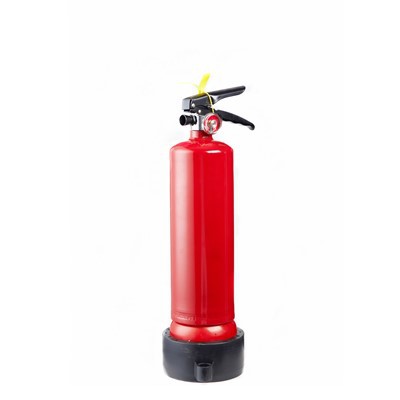
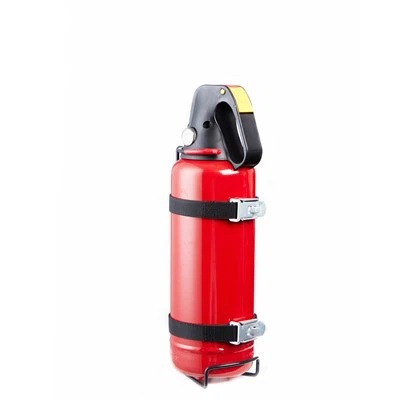
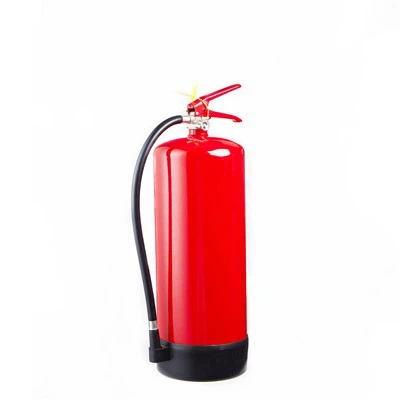
Engineering Definition of Water & Foam Fire Extinguisher
A water & foam fire extinguisher is a sealed pressure vessel system composed of a carbon steel or stainless steel cylinder, brass valve assembly, foam concentrate chamber, siphon tube, and discharge nozzle. The cylinder typically operates under 12–18 bar internal pressure at 20°C and must pass hydrostatic testing before filling to verify deformation resistance and weld integrity.
When the valve is opened, internal pressure drives the foam solution through the siphon tube. At the nozzle, air is entrained to form foam expansion (typically 6:1–10:1), which covers the fuel surface and blocks oxygen transfer while the water phase conducts heat away from the combustion zone. This dual action is applied in Class A solid fire loads and Class B liquid fuel fires.
Working Structure and Failure Control Points
The system operates through a pressure-driven flow chain:
During discharge, the system relies on stable sealing between valve gasket and cylinder neck thread. If sealing fails, pressure drops below 10 bar, which directly reduces foam expansion ratio and discharge distance.
Typical controllable engineering variables include:
- Foam concentration ratio (affects film stability on fuel surface)
- Valve sealing material (affects long-term storage leakage rate)
- Cylinder weld quality (affects pressure holding capacity)
Application Scenarios
Water & foam extinguishers are installed where both heat conduction and fuel surface isolation are required:
Warehouse Stacking Zones
With carton + pallet fuel load, where flame spreads along vertical stacking surfaces.
Machine Workshops
With cutting oil leakage forming continuous hydrocarbon film on metal floors.
Parking Structures
Where fuel vapor accumulates near ventilation dead zones.
Chemical Storage
Buffer areas where liquid spill creates pool fire risk.
In these environments, the extinguisher is expected to discharge continuously for 15–60 seconds depending on cylinder capacity (6L–9L systems), maintaining foam blanket coverage until surface temperature drops below ignition threshold.
Top 5 Water & Foam Fire Extinguisher Manufacturers in China
(The rankings are in no particular order.)
Ningbo Xinhao Fire Fighting Equipment Co., Ltd.
Ningbo Xinhao Fire Fighting Equipment Co., Ltd. manufactures stored-pressure water & foam fire extinguishers with carbon steel cylinder forming, brass valve flow control systems, and air-aspirating nozzle discharge structures.
Core structural configurations:
- 6L / 9L foam extinguisher cylinders (carbon steel welded structure)
- Epoxy internal anti-corrosion coating for liquid separation stability
- Brass valve assembly with safety release and sealing gasket system
- Siphon tube designed for full liquid extraction under 12–15 bar pressure

Engineering production flow:
Cylinder forming → weld seam inspection
→ hydrostatic pressure test
→ internal coating
→ foam filling
→ nitrogen pressurization
→ leak retention test
→ packaging sealing
Hat buyers typically evaluate before placing orders:
- Whether cylinder passes hydrostatic pressure test without deformation
- Whether foam concentrate ratio remains stable during long storage
- Whether valve sealing holds pressure above 12 bar after vibration transport simulation
- Whether nozzle maintains consistent foam expansion ratio during full discharge cycle
OEM and Customization Capability (Procurement Critical Point):
Ningbo Xinhao supports adjustment at three structural levels before production release:
- Cylinder specification: wall thickness adjustment based on export pressure standard (e.g., higher corrosion or humidity regions)
- Valve system: thread interface adaptation for different national fire equipment standards
- Foam formulation: AFFF concentration adjustment based on Class A/B fire load requirement
- Packaging system: export carton marking + instruction plate language customization
👉 For importers and distributors: This means the product is not limited to fixed catalog models but can be configured based on project fire code requirements before cylinder manufacturing starts.
Jiangsu Qiangda Fire Equipment Manufacturing Co., Ltd.
Qiangda produces stored-pressure foam extinguishers using carbon steel cylinders with epoxy internal coating. The production line includes automated weld inspection and pressure holding tests at 30-minute intervals. Products are mainly supplied to logistics warehouse fire protection projects requiring medium-capacity foam discharge systems.
Shandong Hengli Safety Technology Co., Ltd.
Hengli manufactures foam extinguishers with aluminum alloy valve assemblies and welded steel cylinders. The system focuses on valve sealing stability under repeated pressurization cycles between 10–16 bar. Application areas include machining workshops where cutting oil forms continuous combustible film on equipment floors.
Zhejiang Anjie Fire Protection Equipment Co., Ltd.
Anjie produces 9L portable foam extinguishers with robotic welded cylinders and post-weld heat treatment to reduce internal stress concentration. The extinguishers are installed in parking garages and basement utility corridors where fuel vapor accumulation occurs in low airflow zones.
Guangdong Ruihua Fire Safety Equipment Co., Ltd.
Ruihua manufactures stainless steel foam extinguisher systems designed for coastal humidity environments. The use of 304 stainless steel reduces internal corrosion rate during long-term storage exposure to salt mist conditions. These units are commonly deployed in ship repair yards and coastal industrial facilities.
Why Water & Foam Fire Extinguisher Prices Differ
Price differences between manufacturers are determined by measurable structural and process variables:
Material Grade
Q235 carbon steel vs 304 stainless steel affects corrosion resistance and forming cost.
Formulation Stability
Foam concentrate stability affects separation resistance during long-term storage.
Machining Method
Forged brass vs cast alloy valve system elements changes sealing reliability.
Testing Standards
Basic leak test vs full pressure retention cycle test protocols.
Nozzle Design
Standard direct jet vs engineered air-aspirating foam expansion nozzle systems.
Each variable changes material consumption, machining time, and inspection cycle, which directly affects production cost per unit.
Procurement Decision and Quotation Process
For buyers, quotation cannot be calculated only from cylinder size. Manufacturers must confirm engineering parameters before pricing:
- Fire class scenario (A / B / mixed fuel load)
- Installation environment (humidity, temperature range, corrosion exposure)
- Certification target (EU / Middle East / Southeast Asia standards)
- Foam system requirement (pre-mixed or separate mixing ratio)
- Order structure (bulk shipment / mixed SKU / OEM branding)
📌 If your project requires OEM branding, certification matching, or foam specification adjustment, please send:
1. Required capacity (6L / 9L / custom)
2. Fire scenario (warehouse / workshop / fuel storage)
3. Target certification system
4. Order quantity and packaging requirement
📩 If you are sourcing from China, send your technical requirements first. Ningbo Xinhao Fire Fighting Equipment Co., Ltd. will immediately respond with a configuration-based quotation, production feasibility confirmation, OEM proposal, and a clear delivery schedule to avoid specification mismatch during customs inspection or installation.
FAQ
What key specs should I confirm before sourcing?
Check cylinder capacity (6L/9L), working pressure (12–18 bar), cylinder material (Q235 or 304), foam type (AFFF or water-based), and discharge duration. These affect foam output and fire coverage.
How do I verify cylinder safety for export?
Request hydrostatic test reports, weld inspection records, and pressure retention data. The cylinder must hold pressure without deformation or leakage during transport.
Stored-pressure vs cartridge type-what's the difference?
Stored-pressure keeps foam and gas in one cylinder (12–15 bar nitrogen). Cartridge type stores gas separately. Stored-pressure is simpler and lower maintenance.
What are common failure risks?
Valve seal aging, foam separation during storage, nozzle blockage, and pressure drop below ~10 bar, which reduces discharge range and foam expansion.
What certifications are usually required?
Common requirements include CE, ISO 9001, and pressure test reports. Some markets also require EN3 compliance depending on project standards.
Can OEM customization be supported?
Yes. Typical customization includes cylinder thickness, valve thread, foam ratio, label design, and packaging. These are confirmed before production starts.