How Residential Fire Extinguishers Work in Real Application
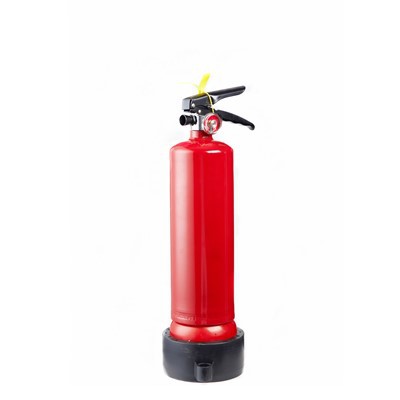
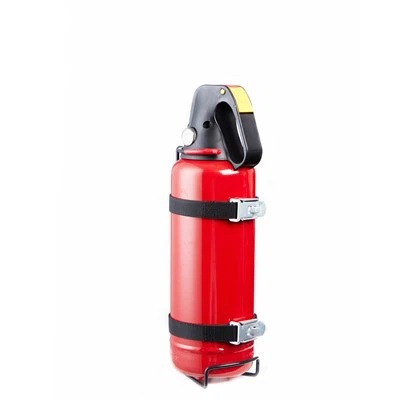
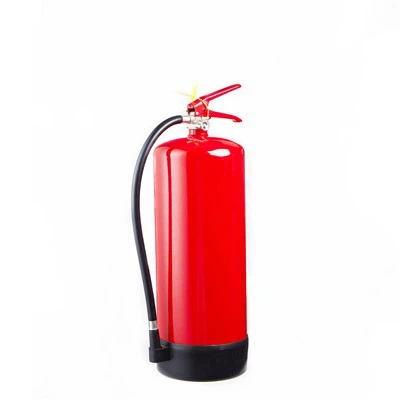
A residential fire extinguisher is a pressure-based discharge device composed of a steel or aluminum cylinder, valve assembly, pressure gauge, extinguishing agent chamber, and discharge nozzle. The cylinder typically operates at 12–15 bar internal pressure at 20°C and must pass hydrostatic testing above working pressure to verify structural integrity before filling.
In residential environments, fire sources are usually low-space and fast-developing, including electrical short circuits (220V household circuits), kitchen oil ignition (Class B liquid fire), and lithium battery thermal runaway in enclosed apartments. The extinguisher works by releasing dry powder, CO₂, or foam agent to interrupt combustion through oxygen displacement or heat absorption.

Residential Fire Extinguisher Procurement Logic
Residential fire extinguisher procurement is driven by building fire risk mapping rather than simple product selection. In apartment and villa environments, ignition sources are concentrated in:
Procurement engineers must verify whether the extinguisher maintains stable discharge pressure at 12–15 bar and whether the agent can interrupt combustion in confined oxygen conditions. At this stage, buyers typically shift from "product comparison" to "supplier capability evaluation".
Residential Fire Extinguisher System Structure
A residential fire extinguisher consists of:
When activated, stored pressure pushes the agent through the valve and siphon tube. The system converts internal pressure energy into directional discharge flow:
Failure modes are typically linked to:
• seal aging causing pressure leakage below 10 bar • powder moisture agglomeration blocking flow path • pressure drop reducing discharge rangeProcurement Evaluation Criteria
Before issuing purchase orders, procurement teams evaluate:
Cylinder integrity
Hydrostatic test ≥ 1.5× working pressure | Weld seam inspection records | 24–48h pressure retention test
Agent selection logic
ABC powder → electrical + solid + liquid fire | CO₂ → electrical rooms without residue | Foam → kitchen grease fire cooling system
Certification requirements
CE / EN3 (EU residential compliance) | ISO 9001 production traceability | Local fire inspection approval documents
Installation compatibility
Wall bracket load structure | One-hand valve activation design | Pressure gauge visibility under emergency conditions
Top 5 Residential Fire Extinguisher Manufacturers in China
The rankings are in no particular order.
Ningbo Xinhao Fire Fighting Equipment Co., Ltd.
Ningbo Xinhao supplies residential fire extinguisher systems for real estate projects, distributors, and OEM retail brands.
Product structure range:
Manufacturing flow:
Each cylinder is tested above operating pressure range (12–15 bar system requirement) before filling.
Engineering capability for buyers:
👉 Buyers typically send RFQ when project requires custom configuration instead of standard catalog products.
No.2 Jiangsu Zhongpu Fire Equipment Co., Ltd.
Focuses on ABC dry powder extinguishers for residential corridor protection systems. Includes long-duration pressure retention testing for leakage validation.
No.3 Zhejiang Huasheng Safety Equipment Co., Ltd.
Produces CO₂ extinguishers for electrical cabinets operating at 50–55 bar cylinder pressure. Designed for non-residue fire suppression environments.
No.4 Shandong Kexin Fire Control Technology Co., Ltd.
Manufactures foam extinguishers for kitchen fire scenarios. Uses AFFF film-forming system to suppress oil vapor release above 200°C ignition conditions.
No.5 Guangdong Mingrui Fire Safety Systems Co., Ltd.
Supplies residential fire extinguisher kits for real estate developers, including wall-mounted sets, packaging integration, and compliance labeling systems.
Why Residential Fire Extinguisher Prices Cannot Be Compared Directly
Pricing differences are determined by engineering variables:
👉 Buyers usually require application data before accurate quotation can be generated.
FAQ
How to select the correct extinguisher type for residential projects?
ABC powder is used for general household fire risks, CO₂ for electrical equipment without residue, and foam for kitchen grease fire cooling above 200°C.
What technical data should be checked before bulk purchase?
Cylinder hydrostatic test reports, pressure retention stability, weld inspection records, and valve sealing performance under long-term storage conditions.
What are the main failure risks in residential extinguishers?
Pressure leakage below 10 bar due to seal aging, nozzle blockage caused by powder moisture, and reduced discharge range due to insufficient internal pressure.
What certifications are required for import?
CE or EN3 for EU residential compliance, ISO 9001 traceability system, and local fire inspection approval documentation depending on project region.
Can residential extinguishers be customized for OEM or project use?
Yes. Customization includes capacity, agent type, valve structure, labeling language, wall bracket design, and retail packaging system for distribution channels.
Call to Action
If your project involves residential building fire safety systems, distributor supply chains, or OEM retail fire extinguisher branding, you can request a detailed engineering quotation based on:
Ningbo Xinhao Fire Fighting Equipment Co., Ltd. supports specification-based quotation, cylinder configuration design, and OEM packaging integration according to project fire protection requirements.
↓ Send your RFQ parameters to receive a matched technical solution and pricing structure. ↓