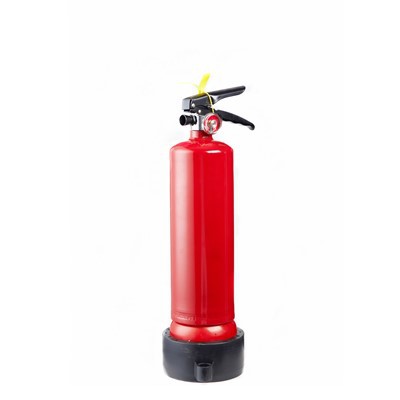
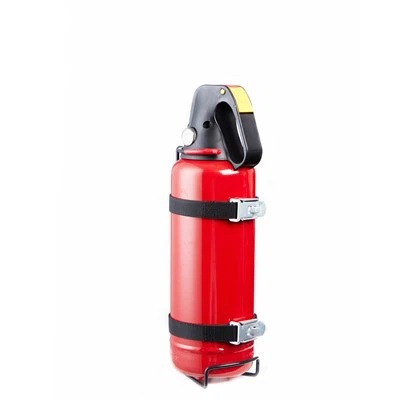
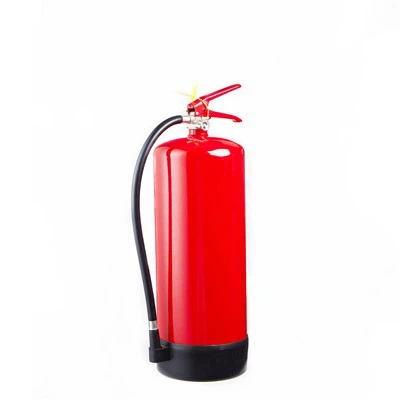
Fire extinguisher valve systems are key pressure-control components in fire protection equipment. Their functions include sealing the cylinder, controlling discharge activation, and maintaining internal pressure stability during storage and emergency use.
In export-oriented procurement, especially for projects involving Russian fire extinguisher valve structures, Russian-standard cylinder configurations, and related pressure-control assemblies, manufacturers are evaluated based on machining precision, sealing reliability, assembly consistency, and batch repeatability rather than appearance or sample performance.
Ningbo Xinhao Fire Equipment Co., Ltd.(In No Particular Order)
Ningbo Xinhao Fire Equipment Co., Ltd. focuses on fire extinguisher valve systems and related pressure control components used in portable and wheeled fire extinguishers. The company produces valve bodies, discharge control assemblies, sealing interfaces, and
mechanical connection parts designed for fire suppression equipment.
The production system is built around CNC precision machining, metal forming processes, and multi-stage assembly control. Key steps include raw material processing, dimensional machining, surface treatment, assembly integration, and pressure testing.
Each valve assembly undergoes sealing inspection and pressure retention testing to verify performance under rated working conditions. Leakage control and structural stability are checked before shipment to ensure consistency across production batches.
- For OEM and export projects, Ningbo Xinhao Fire Equipment Co., Ltd. supports structural customization, interface adaptation, and component matching according to different extinguisher cylinder specifications and Russian fire extinguisher components requirements. Packaging and labeling solutions are also provided for international shipping requirements.
- The production workflow includes sample development, tooling design, trial production, batch manufacturing control, and final inspection.
- This ensures stable output across long production cycles, which is critical for export supply chains requiring consistent delivery.
- Ningbo Xinhao Fire Equipment Co., Ltd. supplies fire extinguisher valve components to distributors and industrial buyers requiring standardized production and stable sealing performance for different fire extinguisher system configurations.

Zhejiang Fire Safety Equipment Components
This manufacturer produces fire extinguisher valve parts and mechanical fittings used in standard fire suppression systems. Production includes valve bodies, connecting components, and accessory hardware through machining and assembly processes.
Quzhou Fire Control Hardware
Quzhou-based suppliers focus on fire extinguisher mechanical components, including valve assemblies and pressure-related fittings used in dry powder and CO₂ extinguisher systems. Some production lines also support export requirements related to Russian fire extinguisher valve assemblies.
Ningbo Industrial Fire Protection Parts
This factory supplies machined fire extinguisher valve components and metal fittings, mainly supporting OEM subcontract manufacturing for fire protection equipment assemblies. Certain product lines are compatible with Russian-style valve configurations used in export markets.
Jiangsu Fire Equipment
Across fire extinguisher valve production, performance is determined by several engineering and process factors:
- Machining accuracy of valve bodies and sealing interfaces
- Stability of pressure retention under long-term storage conditions
- Consistency of assembly across production batches
- Leakage control through sealing structure design and material selection
- Compatibility with different fire extinguisher cylinder standards, including Russian-standard valve systems and related configurations
- Pressure testing procedures before shipment
- Process control across machining, assembly, and inspection stages
For export supply chains, repeatable production stability is more important than single-unit performance results.
Export Manufacturing Requirements
Manufacturers supplying fire extinguisher valve systems for international markets must support:
- OEM structural customization for different regional standards
- Stable batch production capability
- Multi-stage inspection and pressure testing systems
- Packaging and labeling coordination for export logistics
- Material traceability and machining process control
These factors directly determine whether long-term supply stability can be maintained in cooperation projects.
Material and Structural Requirements in Fire Extinguisher Valve Systems
In valve manufacturing for fire suppression equipment, material selection directly affects pressure resistance and service stability. Most valve bodies are produced using brass or stainless steel materials, depending on working pressure level and corrosion exposure conditions.
Brass components are commonly used for internal valve structures due to their machinability and sealing performance. Stainless steel is applied in environments requiring higher corrosion resistance or long-term outdoor storage conditions.
Sealing performance is achieved through a combination of rubber sealing rings, precision-machined contact surfaces, and controlled assembly torque. Even small deviations in machining tolerance can affect leakage rate and discharge consistency.
Production Process Control System
A stable valve production system usually includes multiple controlled stages:
- Raw material inspection → CNC machining → surface treatment → assembly → sealing test → pressure test → final inspection → packaging
- Each stage is linked to ensure that dimensional accuracy and sealing performance remain stable throughout production cycles.
- Pressure testing is particularly critical, as it simulates working conditions and verifies safety performance before shipment.
- Batch traceability is also commonly implemented in export-oriented production, allowing quality data to be tracked back to specific production lots.
FAQ
Quality is mainly determined by machining accuracy, sealing structure design, pressure resistance stability, and assembly consistency across production batches.
Brass is the most common material for valve bodies due to its machinability and sealing performance. Stainless steel is used in higher corrosion-resistance applications.
Leakage control depends on precision sealing surfaces, rubber sealing rings, and controlled assembly torque during production.
Yes. OEM customization can include thread standards, structural dimensions, surface treatment, and marking systems based on export requirements.
Typical testing includes pressure resistance testing, sealing leakage testing, and functional activation testing to ensure stable performance under working conditions
Ningbo Xinhao Fire Equipment Co., Ltd. supplies fire extinguisher valve systems for industrial fire protection equipment, including portable and wheeled extinguishers. The company supports OEM and ODM customization covering structural design, sealing components, logo marking, and export packaging solutions. Its production is based on CNC machining and strict process control to ensure stable batch quality for long-term supply projects.