Detailed explanation of the 4 main types of fire extinguishers: selection guide and usage scenarios
1. Why do you need to understand the classification of fire extinguishers?
2. Comparison of the four major fire extinguisher types
3. In-depth analysis of the characteristics of the four major fire extinguishers
4.How does the fire-fighting efficiency of different types of fire extinguishers compare?
1. Why do you need to understand the classification of fire extinguishers?
According to NFPA statistics, 80% of early fires can be extinguished by correctly selecting fire extinguishers. The choice of fire extinguishers must match the type of fire (A/B/C/D/E/K), and incorrect use may intensify the fire16. This article analyzes the four most commonly used fire extinguisher types and their applicable scenarios.

2. Comparison of the four major fire extinguisher types
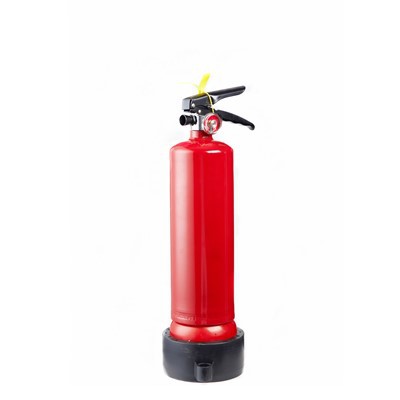
Dry powder fire extinguisher: widely used, with ammonium phosphate as the base material. It can extinguish many kinds of fires, such as solid, liquid, gas and electrical fires. The principle of fire extinguishing is to cover the surface of the burning object with dry powder to inhibit the combustion reaction. The advantages are high fire extinguishing efficiency, fast speed and wide application range; the disadvantages are that it will cause certain damage to precision instruments and there will be residues after fire extinguishing.
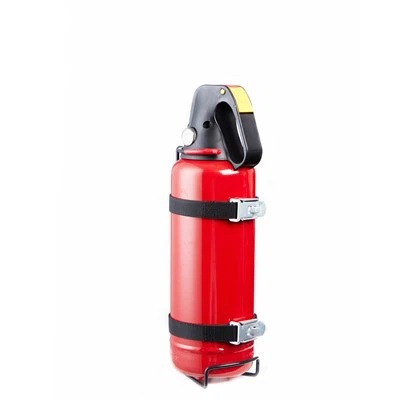
Carbon dioxide fire extinguisher: The main component is liquid carbon dioxide. It is suitable for extinguishing the initial fire of valuable equipment, archives, instruments and meters, electrical equipment below 600 volts and oils. When extinguishing the fire, carbon dioxide gasifies to absorb heat and cool down, and dilutes oxygen to suffocate the fire. The advantage is that there is no residue after extinguishing the fire and it does not stain the objects; the disadvantage is that you should pay attention to prevent frostbite when using it, and it is not suitable for extinguishing metal burning fires.
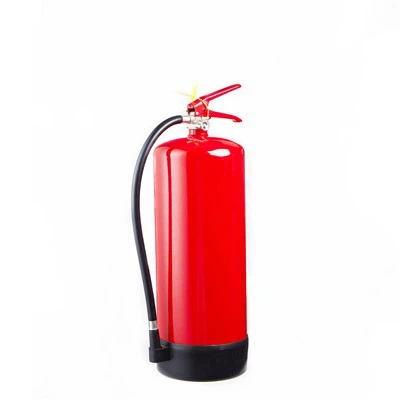
Foam fire extinguisher: divided into chemical foam and air foam. It can effectively extinguish general solid and flammable liquid fires. Cover the burning object by spraying foam and isolate the air to extinguish the fire. The advantage is that it is effective against solid fires and oil fires; the disadvantage is that it is not suitable for electrical and water-sensitive material fires, and the foam is easily dispersed.
Water-based fire extinguisher: It uses water as the main component and adds a variety of additives. It can be used to extinguish initial fires of solids or non-water-soluble liquids. It can form a protective film to inhibit the spread of fire and has a certain cooling effect. The advantages are that it is environmentally friendly and harmless to the human body, and can be used to extinguish fires of live equipment (subject to certain conditions); the disadvantage is that it has relatively weak control ability against oil fires and is not suitable for substances that react with water.
3. In-depth analysis of the characteristics of the four major fire extinguishers
1. Dry powder fire extinguisher (ABC type)
Dry powder fire extinguisher is popular for its wide applicability. Its working principle is to use ammonium phosphate to isolate oxygen and interrupt the chain reaction of combustion. In office scenes, whether it is a fire caused by ordinary solid combustion materials such as paper or a fire caused by electrical failure, dry powder fire extinguisher can quickly play a role. In the parking lot, it can also effectively extinguish fires caused by vehicle fuel. There are many fire risks in the warehouse. The strong versatility of dry powder fire extinguisher enables it to deal with 90% of common fires and provide reliable fire safety protection for various items.
2. Carbon dioxide fire extinguisher
Carbon dioxide fire extinguisher has unique technical characteristics. The low-temperature carbon dioxide of -78℃ it sprays can effectively suppress combustion, and no residue will be left after extinguishing the fire. In the server room of the data center, there are a large number of electronic equipment and important data. Carbon dioxide fire extinguishers will not damage the equipment and ensure data security. The same is true for precision instruments in the laboratory, avoiding contamination of the instruments by residues. In places with electrical equipment such as distribution boxes, it can quickly extinguish electrical fires. When using it, it is necessary to keep a spray distance of 1 meter to prevent frostbite caused by low temperatures.
3. Foam fire extinguisher (AFFF)
The fire extinguishing mechanism of the foam fire extinguisher is to effectively isolate the combustibles from oxygen by forming a layer of water film. In the oil tank area of the gas station, due to the storage of a large amount of flammable liquids, the foam fire extinguisher can quickly cover the oil surface and prevent the spread of the fire. It can play a good fire extinguishing effect in the liquid storage tank area of the chemical plant and near the car washing equipment in the parking lot. However, it should be noted that the foam fire extinguisher is strictly prohibited to be used for metal fires such as sodium and magnesium, because the metal and the components in the foam may react violently, causing the fire to intensify.
4. Wet chemical fire extinguisher (type F)
The wet chemical fire extinguisher contains a special formula, in which the potassium acetate component can cool the oil temperature to below the ignition point. This makes it an ideal choice for scenes such as frying equipment in commercial kitchens, frying areas in fast food chains, and hot oil pipelines in food processing plants. In these places, once flammable liquids such as cooking oil catch fire, wet chemical fire extinguishers can quickly cool down and extinguish the fire to prevent the fire from spreading. In addition, such fire extinguishers need to meet the UL300 certification standard to ensure their quality and fire extinguishing performance.

4.How does the fire-fighting efficiency of different types of fire extinguishers compare?
Dry powder fire extinguisher (ABC type): It has strong versatility and can extinguish 90% of common fires, including Class A (solid), Class B (liquid), Class C (gas) and some Class E (electrical) fires. Its fire extinguishing principle is to isolate oxygen and interrupt the combustion chain reaction through components such as ammonium phosphate. In the face of multiple mixed fire scenarios, such as when solid and liquid combustibles are on fire in a warehouse at the same time, dry powder fire extinguishers can quickly cover the surface of the burning objects and suppress the fire. However, for precision instrument fires, dry powder residues may cause damage to the equipment, and a large amount of residual powder needs to be cleaned up after the fire is extinguished, which to a certain extent affects the subsequent recovery work.
Carbon dioxide fire extinguisher: The fire extinguishing efficiency is mainly reflected in the rapid extinguishing of fires in specific places. It uses low-temperature carbon dioxide at -78℃ to suppress combustion, and there is no residue after extinguishing the fire. In the fire scenes of electrical equipment such as data center server rooms, laboratory precision instruments, and distribution boxes, carbon dioxide fire extinguishers can quickly reduce the temperature and oxygen concentration in the burning area, effectively extinguish the fire without damaging the equipment. However, due to the cooling and suffocating effects of carbon dioxide, a spray distance of 1 meter must be maintained during use to prevent frostbite, and for large-scale fires, the diffusion range of carbon dioxide is limited, and multiple fire extinguishers may be required to be used in coordination.
Foam fire extinguisher (AFFF): It extinguishes fires by forming a water film to isolate combustibles from oxygen, and has a good fire extinguishing effect on Class B liquid fires (such as gasoline, diesel, etc.) and Class A solid fires (such as wood, paper, etc.). In places such as gas station tank areas and chemical plant liquid storage tanks, foam can quickly cover the oil surface, preventing combustible liquids from contacting the air, thereby effectively extinguishing the fire. However, foam fire extinguishers are not suitable for metal fires (such as sodium, magnesium, etc.), and foam is easily dispersed by water or affected by wind, and the fire extinguishing efficiency will be reduced in some special environments.

Wet chemical fire extinguisher (type F): Its special formula (containing potassium acetate) can cool the oil temperature to below the ignition point, and is specially designed for Class F fires (cooking fires in cooking utensils, such as cooking oil). In commercial kitchen frying equipment, fast food chain frying areas and hot oil pipelines in food processing plants, wet chemical fire extinguishers can quickly and effectively control fires and prevent cooking oil from rekindling. However, for other types of fires, such as electrical fires or ordinary solid fires, they are not as effective as specialized fire extinguishers.