Fire fighting equipment is divided into fire fighting equipment and escape equipment;
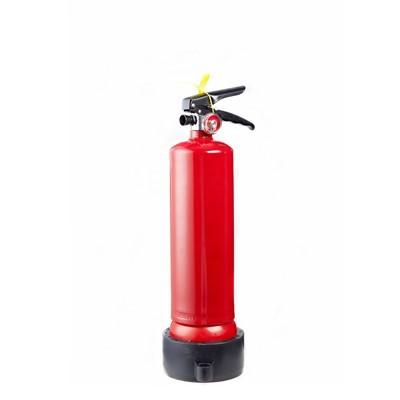
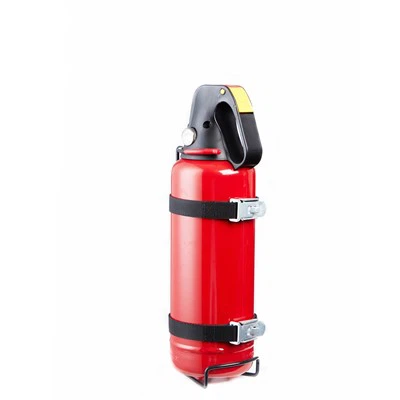
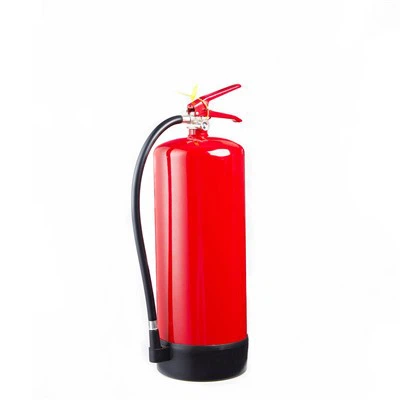
Commonly used household fire-fighting equipment includes fire hydrants, fire extinguishers (dry powder, water-based, carbon dioxide, etc.), fire blankets; escape tools include filtering fire-fighting self-rescue breathing apparatus (smoke masks), high-rise escape descenders, etc.;
The most commonly used fire extinguishers are fire extinguishers. Ordinary dry powder fire extinguishers can deal with three types of ABC fires, namely solid, liquid and gas fires. However, the fire extinguishing agent contained in dry powder fire extinguishers is corrosive and will cause damage to the skin. The powder is inhaled into the respiratory tract. It will also damage the respiratory tract, so when using it, you should pay attention to standing on the upper air outlet to avoid spraying on people; water-based fire extinguishers are more expensive, but the chemicals are safe and harmless. Direct spraying on people will form a water film to prevent the flame from causing damage to the skin. ; Water-based fire extinguishing effect is better than dry powder, and no re-ignition, is more recommended;
Fire hydrants include indoor hydrant systems and outdoor hydrant systems. The indoor fire hydrant system includes indoor fire hydrants, water hoses, and water guns. Outdoor fire hydrants include two categories: above-ground and underground. Normally, what we come into contact with are indoors. At least two people are needed to operate the fire hydrant. Because the water pressure is too high, one person needs to splice the fire belt and then drag the nozzle to the fire scene, and the other person will open the water valve, otherwise, the water pressure will be too high. The assembly flushed the fire belts;
Fire-fighting equipment also includes alarms, such as household combustible gas alarms, multi-function sound, light alarm flashlights, etc.
Professional equipment such as some fire axes and fire boots are not normally used, so I won't go into details.